
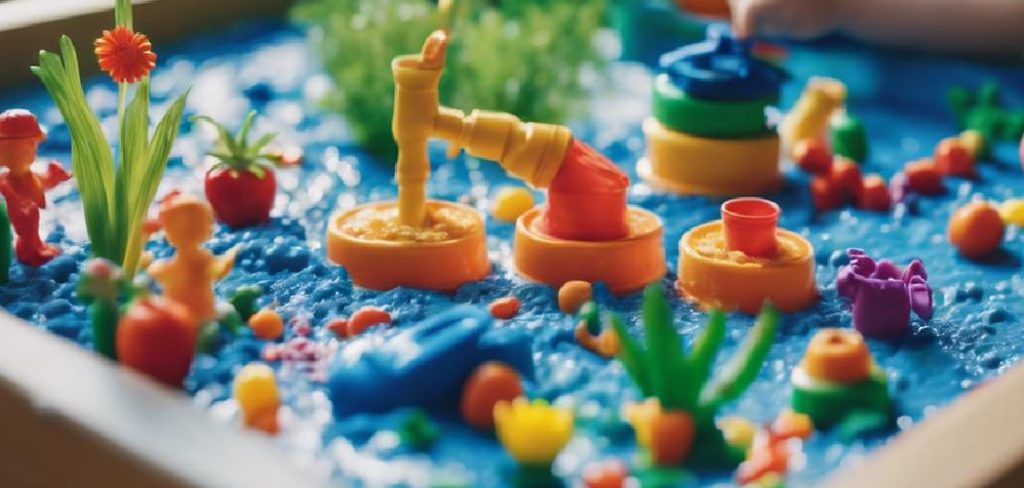
Investing in natural playthings is a wonderful way to provide a safe, beautiful, and durable environment for your children. Unlike plastic alternatives, these items carry a timeless charm and can easily be passed down through generations. However, because they are constantly handled, dropped, and sometimes even chewed on by curious toddlers, they require a very specific maintenance routine. Parents often worry about using harsh chemicals or accidentally ruining the beautiful finishes on these cherished items. Understanding how to clean wooden toys properly ensures that your child’s favorite items remain sanitary, safe, and visually appealing for years to come.
Wood is naturally porous and possesses incredible antibacterial properties, making it an excellent material for children’s items. That being said, neglecting proper maintenance can lead to sticky residue buildup, fading colors, or even dangerous splintering. This guide will walk you through exactly what you need to do to keep your natural items in pristine condition. We will cover the best washing practices, common mistakes to avoid, and the precise steps necessary to maintain the integrity of the natural fibers.
Why Maintaining Wooden Toys Matters
Natural playthings offer incredible benefits for childhood development, from providing sensory experiences to encouraging open-ended imaginative play. They do not shatter into sharp plastic shards and they do not contain complex electronic parts that break easily. However, these benefits can quickly diminish if the surfaces become coated in sticky food residue, dirt, and lingering household odors. Because toddlers explore the world with their mouths, maintaining excellent hygiene on these items is an absolute necessity for your peace of mind.
Wood reacts to moisture, heat, and heavy chemicals much differently than synthetic materials. If you ignore its specific care requirements, the delicate blocks and figurines can split, warp, or even develop harmful mold. Regular maintenance prevents these structural issues and extends the lifespan of your collection significantly. You save money over time by avoiding frequent replacements of your favorite educational sets.
Step-By-Step Guide To How To Clean Wooden Toys
Step 1: Remove Dust and Debris
The first step in cleaning wooden toys and clean the surface is to remove any dust or debris that may have accumulated on the surface. This can easily be done by using a soft, dry cloth or a feather duster. Gently wipe down the entire surface of the toy, making sure to get into all the nooks and crannies.
Wooden toys are a timeless choice for children, offering durability, natural beauty, and a tactile play experience that plastic alternatives often lack. However, maintaining their cleanliness is essential to ensure they remain safe and enjoyable for play. Unlike other materials, wooden toys require a gentler approach to cleaning to preserve their quality and prevent damage caused by excessive moisture or harsh chemicals. Taking the time to clean them properly not only extends their lifespan but also provides a healthier play environment for your child.
Step 2: Prepare a Gentle Cleaning Solution
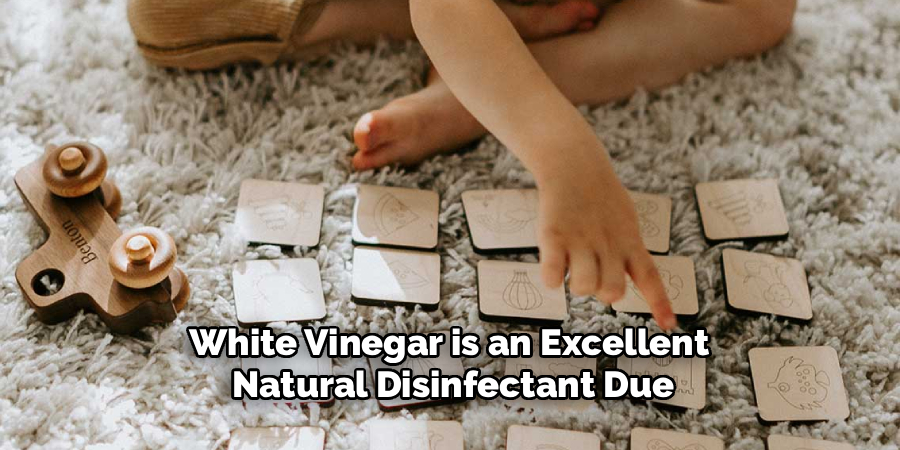
One of the best ways to clean wooden toys is by creating a gentle cleaning solution at home. This can be done by mixing equal parts of white vinegar and water in a spray bottle. Vinegar has natural disinfectant properties that can effectively remove dirt and germs without being harsh on the wood.
To create the solution, simply mix one cup of white vinegar with one cup of water in a spray bottle. You can add a few drops of essential oils like lavender or tea tree for a pleasant scent if desired.
Step 3: Wipe the Toys with the Solution
Once you have your cleaning solution ready, lightly spray it onto a clean cloth and wipe down the wooden toys. Make sure to cover all surfaces of the toy, including any crevices or hard-to-reach areas.
Be careful not to saturate the wood with the solution as this can cause damage over time. It’s best to use a slightly damp cloth rather than a wet one.
After wiping the toys, use a dry cloth to remove any excess moisture and ensure the wood dries completely. This step is important to prevent any potential water damage or warping of the wood. Allow the toys to air dry fully in a well-ventilated area before allowing children to use them again.
Step 4: Rinse Lightly (if desired)

Some people prefer to rinse off the cleaning solution after wiping down wooden toys. This step is optional and depends on personal preference. If you do choose to rinse, make sure to use a clean damp cloth and thoroughly wipe away any remaining residue.
Wooden toys are a timeless favorite for children, cherished for their durability, natural feel, and eco-friendly qualities. However, like any item frequently handled by little ones, they require proper care and maintenance to ensure they remain safe and clean. Cleaning wooden toys may seem tricky at first, but with the right techniques, you can effortlessly keep them in great condition while preserving their charm and longevity.
Step 5: Dry Thoroughly
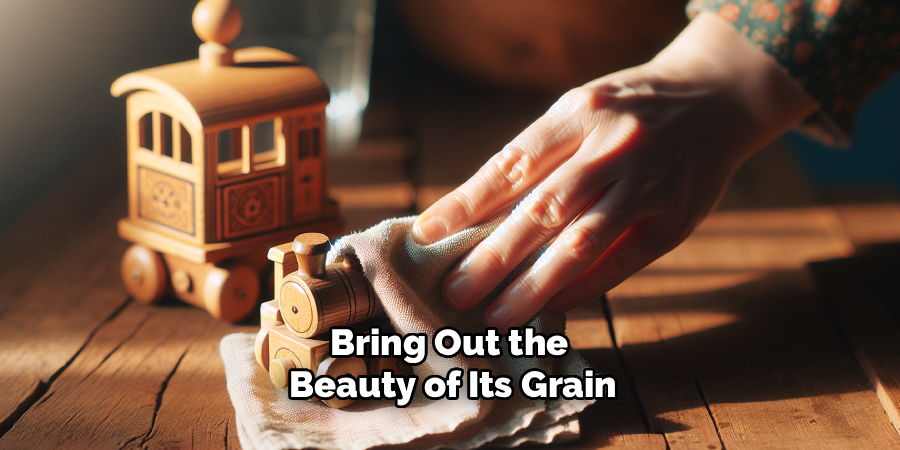
After washing your wooden toys, it’s important to dry them thoroughly before storing or using them again. Leaving them wet can lead to warping and cracking. You can use a clean towel or cloth to pat the toys dry, making sure to remove any excess water. Then, set them on a clean surface to air dry completely before putting them away.
In addition to drying your wooden toys after washing, it’s also essential to keep them away from sources of heat such as direct sunlight or heaters. This step ensures the toy is completely free of any cleaning agents and leaves the wood feeling fresh and natural, without any sticky or filmy residue left behind.
Step 6: Optional Conditioning Treatments
While not necessary, some people choose to condition their wooden toys after washing and drying them. This can help keep the wood moisturized and prevent any cracking or warping.
One popular option is using beeswax or mineral oil. Simply melt a small amount of beeswax or warm up mineral oil in a double boiler, and then use a clean cloth to rub it onto the surface of your wooden toy. Be sure to wipe off any excess and let it dry before storing.
Step 7: Maintenance Tips
To keep your wooden toys in good condition, here are a few maintenance tips:
- Regularly inspect the toys for any signs of wear and tear. If you notice any splinters or cracks, it’s important to address them immediately.
- Keep the toys clean by wiping them down with a cloth after each use.
- Store wooden toys in a dry and well-ventilated area to prevent moisture buildup and potential mold growth.
- Avoid exposing the toys to extreme temperatures or prolonged periods of direct sunlight, as this can cause warping and discoloration.
- Periodically reapply conditioning treatments to keep the wood moisturized and prevent cracking or drying out.
Frequently Asked Questions
Can I Put Natural Playthings In The Dishwasher?
You should never put natural wood products in the dishwasher under any circumstances. Dishwashers utilize extremely high water temperatures, prolonged soaking cycles, and highly abrasive chemical detergents to blast away grime. This hostile environment strips the natural oils from the material immediately, leading to severe warping, splitting, and permanent discoloration. Always wash your delicate items by hand using warm water and a slightly damp cloth to ensure they survive for years.
How Often Should I Wash These Items?
You should aim to give these items a light dusting every week and a proper damp wipe-down roughly once a month. If your child is currently recovering from an illness or if the items were played with outdoors in the mud, you should wash them immediately. If the surface loses its natural shine or feels slightly sticky to the touch, it is time for a maintenance routine. Regular upkeep creates a sanitary barrier that prevents heavy stains and deep moisture penetration.
What Should I Do If The Wood Splinters?
Once a surface begins to splinter, it usually means the internal fibers have dried out completely or suffered from repeated waterlogging. Mild splintering can sometimes be smoothed away by gently rubbing the affected area with very fine-grit sandpaper. After sanding the rough spots, you must thoroughly wash, dry, and heavily oil the area to restore its protective barrier. However, if the split runs deep down the middle of the item and poses a pinching hazard, you should safely discard it.
Can I Use Disinfectant Wipes On The Surface?
Standard antibacterial wipes often contain harsh chemicals and alcohol that will severely dry out the natural fibers and strip away non-toxic paints. Using these synthetic wipes will leave a chemical residue that is not safe for young children who might put the items in their mouths. Instead of commercial chemical wipes, rely on a diluted white vinegar solution to naturally sanitize the surfaces. Vinegar effectively neutralizes bacteria without depositing dangerous chemicals onto your child’s favorite playthings.
How Do I Remove Pen Marks Or Heavy Stains?
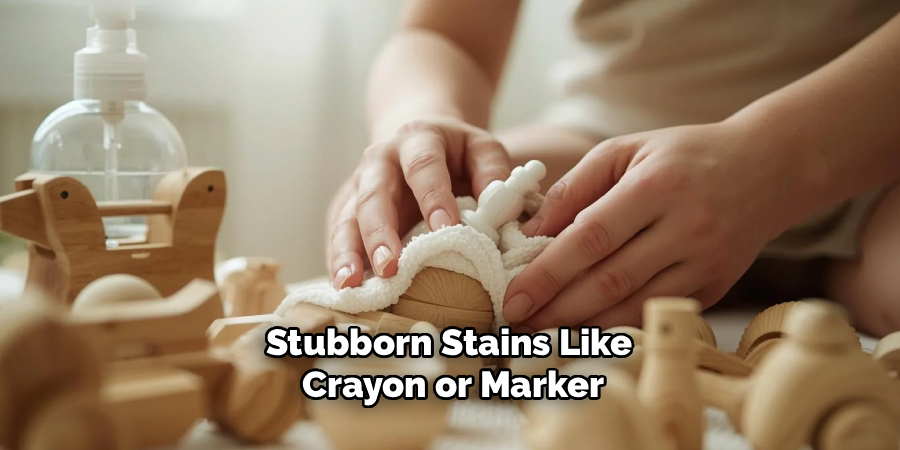
If your child accidentally draws on their blocks with a ballpoint pen or a marker, you need a slightly stronger natural approach. Create a thick paste using baking soda and a tiny splash of water. Gently rub this paste over the ink stain using a soft cloth, following the direction of the grain. Wipe away the paste with a damp cloth, dry the area immediately, and apply a fresh coat of conditioning oil to restore the finish.
Conclusion
Taking excellent care of your child’s environment is the hidden secret to enjoying consistently safe, beautiful, and engaging play sessions at home. Proper maintenance eliminates old food residue, removes trapped bacteria, and prevents the natural materials from cracking prematurely. By following these careful washing steps, you ensure your beautiful investments remain highly functional and aesthetically pleasing for many years. Remember that natural materials are delicate, so a gentle approach using mild soap and immediate drying is always your best strategy.
Do not wait until your items are visibly damaged or smelling sour to take action. Make this gentle washing routine a permanent habit to protect your family’s health and your wallet. If you want to elevate your home organization and safety, mastering how to clean wooden toys effectively is the perfect place to start. Grab your mild dish soap, a soft cloth, and a dry towel today to give these wonderful items the careful attention they truly deserve.

About
Mike May is a distinguished figure in the world of woodworking and timber design, with a decade of expertise creating innovative and sustainable indoor solutions. His professional focus lies in merging traditional craftsmanship with modern manufacturing techniques, fostering designs that are both practical and environmentally conscious. As the author of Woodimber, Mike delves into the art and science of timber-craft, inspiring artisans and industry professionals alike.
Education
RMIT University (Melbourne, Australia)
-
Associate Degree in Design (Timber): Focus on sustainable design, industry-driven projects, and practical craftsmanship.
-
Gained hands-on experience with traditional and digital manufacturing tools, such as CAD and CNC software.
Nottingham Trent University (United Kingdom)
-
Bachelor’s in Woodworking and Product Design (Honors): Specialized in product design with a focus on blending creativity with production techniques.
-
Participated in industry projects, working with companies like John Lewis and Vitsoe to gain real-world insights.
Publications and Impact
In Woodimber, May shares his insights on timber design processes, materials, and strategies for efficient production. His writing bridges the gap between artisan knowledge and modern industry needs, making it a must-read for both budding designers and seasoned professionals.