
Enjoying a meal with natural dining utensils elevates your entire dining experience. When you invest in beautiful, handcrafted eating tools, you want them to last for years while remaining safe for daily use. Many people toss their delicate utensils into the dishwasher or let them soak in the sink, which rapidly destroys the natural fibers. Proper maintenance is absolutely essential to prevent warping, cracking, and bacterial growth. If you want to protect your investment and maintain excellent kitchen hygiene, learning how to clean wooden chopsticks is a fundamental skill.
Dirty utensils harbor food particles, oils, and invisible bacteria that compromise your health. By understanding the correct washing techniques, you preserve the structural integrity of the wood and ensure your eating tools remain pristine. This comprehensive guide provides everything you need to keep your dining tools in perfect condition. You will discover the best washing practices, common mistakes to avoid, and the exact routine required for long-lasting durability.
Why Maintaining Wooden Chopsticks Matters
Wooden dining tools offer incredible benefits for your meals, ranging from a comfortable grip to heat resistance. Natural materials do not conduct heat like metal, making them perfect for enjoying hot soups and steaming noodle dishes safely. However, these amazing benefits quickly diminish if the wood becomes coated in food residue, grease, and lingering odors.
Wood is a porous material that reacts to moisture and drastic temperature changes differently than stainless steel or plastic. If you ignore its specific care requirements, the delicate sticks can split, warp, or even develop mold. Regular maintenance prevents these structural issues and extends the lifespan of your utensils significantly. You save money over time by avoiding frequent replacements of your favorite dining sets.
Furthermore, proper hygiene prevents bacterial contamination. Every time you eat, food oils and sauces seep into the microscopic crevices of the wood. When these elements accumulate, they create a breeding ground for harmful germs. Using properly washed utensils ensures that you are only tasting your delicious meals, rather than introducing old flavors and impurities to your fresh food.
Step-By-Step Guide To How To Clean Wooden Chopsticks
Step 1: Rinse Immediately After Use
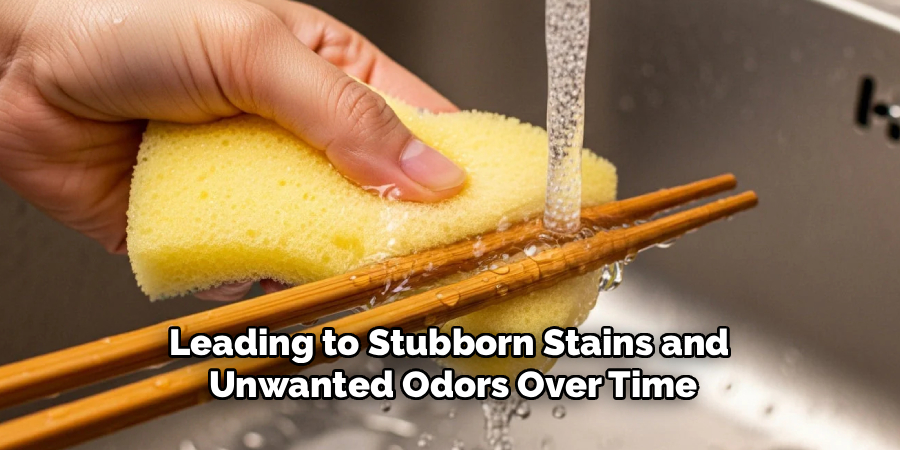
After enjoying a delicious meal with your clean wooden chopsticks, the first step to keeping them clean is to rinse them immediately after use. This will prevent food particles from drying and sticking onto the surface of the chopsticks, making it easier to clean later on.
Use a gentle dish soap and a soft sponge or cloth to clean the wooden chopsticks thoroughly. Avoid using abrasive scrubbers, as they can damage the surface of the wood. Gently scrub along the grain to remove any food residue, ensuring not to soak the chopsticks for too long as excessive moisture can warp or weaken the wood. Rinse thoroughly with warm water once cleaned to remove all soap.
Step 2: Wash Gently
After rinsing, gently pat the chopsticks dry with a clean towel. Avoid using any harsh drying methods as they can cause cracks or splinters in the wood. It is important to properly dry the chopsticks before storing them to prevent any moisture from accumulating and causing damage.
Properly caring for wooden chopsticks is essential to maintaining their longevity and ensuring they remain safe and pleasant to use. Wooden chopsticks, while durable, are more susceptible to damage from improper cleaning or storage compared to those made from other materials. Taking extra steps to clean and maintain them can help preserve their quality and prevent wear over time.
Step 3: Rinse Thoroughly
After scrubbing and removing any food debris, it is important to rinse the chopsticks thoroughly. This will help remove any remaining soap or cleaning products that could potentially leave a residue on the chopsticks, affecting their taste or causing damage over time.
Proper care and maintenance of chopsticks are essential to ensure their longevity and functionality. When handled correctly, chopsticks not only retain their aesthetic appeal but also remain safe and pleasant to use over time. Each step in the cleaning process plays a crucial role in preserving the quality of these utensils, particularly when they are made from delicate or natural materials.
Step 4: Dry Properly
After washing the chopsticks, it is important to dry them thoroughly before storing or using them again. Damp or wet chopsticks can promote bacterial growth and cause rusting in metal chopsticks. It is recommended to air-dry wooden and bamboo chopsticks by placing them upright in a container or drying rack. This allows any excess water to drain out and prevents the chopsticks from coming into contact with any potentially contaminated surfaces.
For metal chopsticks, use a clean cloth or paper towel to wipe away any moisture. Ensure that the entire surface of the chopsticks is completely dry before putting them away.
Step 5: Optional Conditioning
In addition to proper cleaning and drying, some people choose to condition their chopsticks for added durability and protection. This is especially beneficial for wooden or bamboo chopsticks.
One way to condition chopsticks is by rubbing them with a small amount of food-grade oil (such as mineral oil) using a paper towel. This helps to prevent the wood from drying out and cracking over time.
Another option is to soak the chopsticks in warm water for a few minutes before air-drying them. This can help to remove any residual oils or dirt that may be stuck on the surface of the chopsticks.
Step 6: Storage
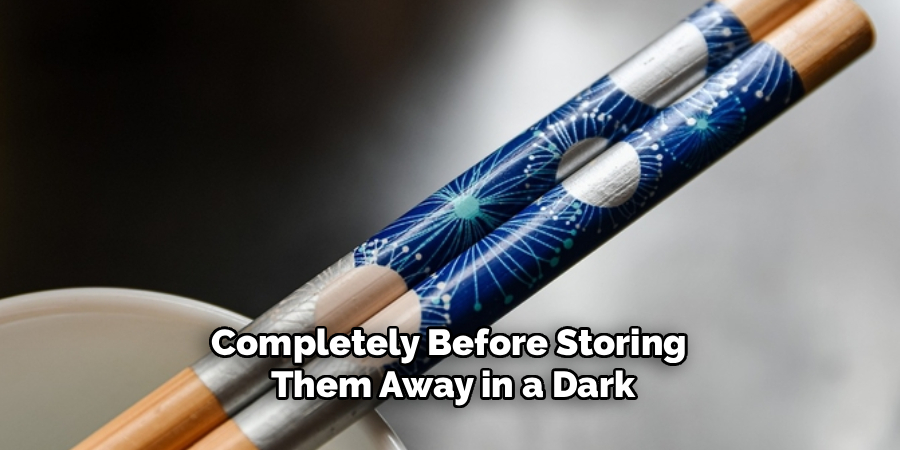
Proper storage of chopsticks is essential for maintaining their quality and prolonging their lifespan. It is important to keep the chopsticks dry and away from heat sources, as moisture and extreme temperatures can cause warping or cracking.
One option for storing chopsticks is to use a chopstick rest, which can be made of materials such as ceramic, bamboo, or metal. These rests not only provide a designated place to set down your chopsticks while eating, but they also help to keep them upright and prevent them from rolling off the table.
Step 7: Maintenance Tips
In addition to proper storage, there are a few maintenance tips that can help keep your chopsticks in good condition.
- Clean them after each use: It is important to clean your chopsticks after each use to remove any leftover food particles or oils. This will prevent them from becoming sticky or attracting bacteria.
- Avoid soaking for too long: While it is important to soak wooden chopsticks before their first use, you should avoid leaving them in water for extended periods of time as this can cause warping or cracking.
- Hand wash only: It is best to hand wash your chopsticks rather than putting them in the dishwasher. The high heat and harsh detergents used in dishwashers can damage the wood and affect its durability.
Frequently Asked Questions
Can I Put My Wooden Utensils In The Dishwasher?
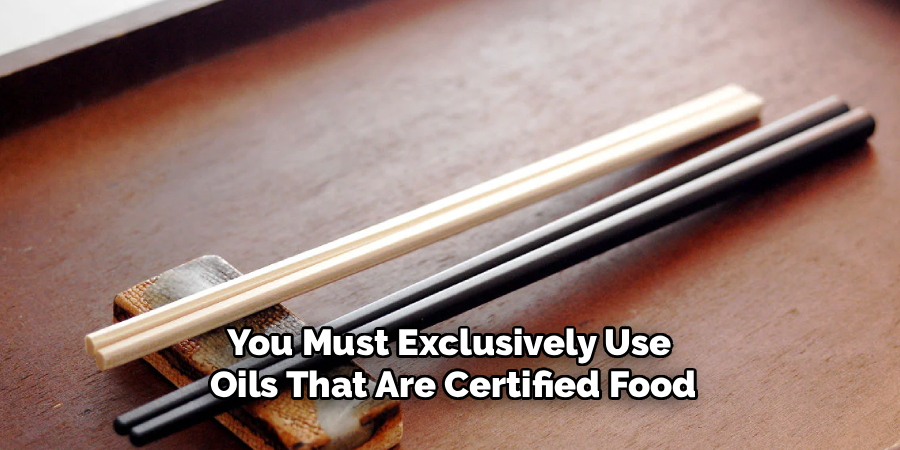
You should never put natural wood products in the dishwasher under any circumstances. Dishwashers utilize extremely high water temperatures, prolonged soaking cycles, and highly abrasive chemical detergents to blast away food. This hostile environment strips the natural oils from the wood immediately, leading to severe warping, splitting, and permanent discoloration. Always wash your delicate wooden eating tools by hand using warm water and a soft sponge to ensure they survive for years.
How Often Should I Oil My Dining Tools?
You should aim to condition your wooden eating tools with a food-safe oil roughly once a month. If you eat with them daily and wash them frequently, you might notice the wood looking dull or feeling dry much sooner. When the surface loses its natural shine or feels slightly rough to the touch, it is time for a conditioning treatment. Regular oiling creates a waterproof barrier that prevents heavy food stains and deep moisture penetration.
What Should I Do If My Utensils Start Splintering?
Once wood begins to splinter, it usually means the internal fibers have dried out completely or suffered from repeated waterlogging. Mild splintering can sometimes be smoothed away by gently rubbing the affected area with very fine-grit sandpaper. After sanding the rough spots, you must thoroughly wash, dry, and heavily oil the wood to restore its protective barrier. However, if the split runs deep down the middle of the stick, you should safely discard it to prevent mouth injuries.
Can I Use Olive Oil To Condition The Wood?
Olive oil, vegetable oil, and canola oil are terrible choices for conditioning wooden kitchen tools. These culinary fats are unstable at room temperature and will eventually turn rancid when trapped inside the wood grain. When cooking oils spoil, they emit a foul odor and transfer a terrible, bitter taste to your fresh food. Always stick to stable, food-safe options like pure mineral oil, fractionated coconut oil, or natural beeswax blocks.
How Do I Prevent Mold From Growing On The Tips?
Mold prevention entirely comes down to your immediate drying technique and your kitchen storage environment. Always dry the tools completely with a towel right after washing rather than letting them drip dry in a damp sink. Store your utensils flat in a breathable, dry drawer rather than standing them upright in a sealed container where residual moisture pools at the bottom. Proper airflow and immediate towel drying eliminate the damp conditions that mold spores desperately need to survive.
Conclusion
Taking excellent care of your dining accessories is the hidden secret to enjoying consistently safe and delicious meals at home. Proper maintenance eliminates old food residue, removes trapped bacteria, and prevents the natural materials from cracking prematurely. By following these careful washing steps, you ensure your beautiful dining tools remain highly functional and aesthetically pleasing for many years. Remember that natural materials are delicate, so a gentle approach using mild soap and immediate drying is always your best strategy.
Do not wait until your tools are visibly damaged or smelling sour to take action. Make this gentle washing routine a permanent habit after every single meal. If you want to elevate your home dining experience, mastering how to clean wooden chopsticks effectively is the perfect place to start. Grab your mild dish soap, a soft sponge, and a dry towel today to give your eating tools the careful attention they truly deserve.

About
Mike May is a distinguished figure in the world of woodworking and timber design, with a decade of expertise creating innovative and sustainable indoor solutions. His professional focus lies in merging traditional craftsmanship with modern manufacturing techniques, fostering designs that are both practical and environmentally conscious. As the author of Woodimber, Mike delves into the art and science of timber-craft, inspiring artisans and industry professionals alike.
Education
RMIT University (Melbourne, Australia)
-
Associate Degree in Design (Timber): Focus on sustainable design, industry-driven projects, and practical craftsmanship.
-
Gained hands-on experience with traditional and digital manufacturing tools, such as CAD and CNC software.
Nottingham Trent University (United Kingdom)
-
Bachelor’s in Woodworking and Product Design (Honors): Specialized in product design with a focus on blending creativity with production techniques.
-
Participated in industry projects, working with companies like John Lewis and Vitsoe to gain real-world insights.
Publications and Impact
In Woodimber, May shares his insights on timber design processes, materials, and strategies for efficient production. His writing bridges the gap between artisan knowledge and modern industry needs, making it a must-read for both budding designers and seasoned professionals.