

After a long, crisp day of pruning dormant fruit trees or turning the backyard compost pile, nothing feels quite as rewarding as retreating indoors to the glowing warmth of your fireplace. However, that cozy ambiance quickly fades when dark, stubborn soot obscures your beautiful view of the dancing flames. If you are tired of looking at a blackened pane instead of a cheerful fire, you are certainly not alone. Many beginners struggle to remove baked-on creosote without resorting to harsh, toxic chemicals that ruin the indoor air quality.
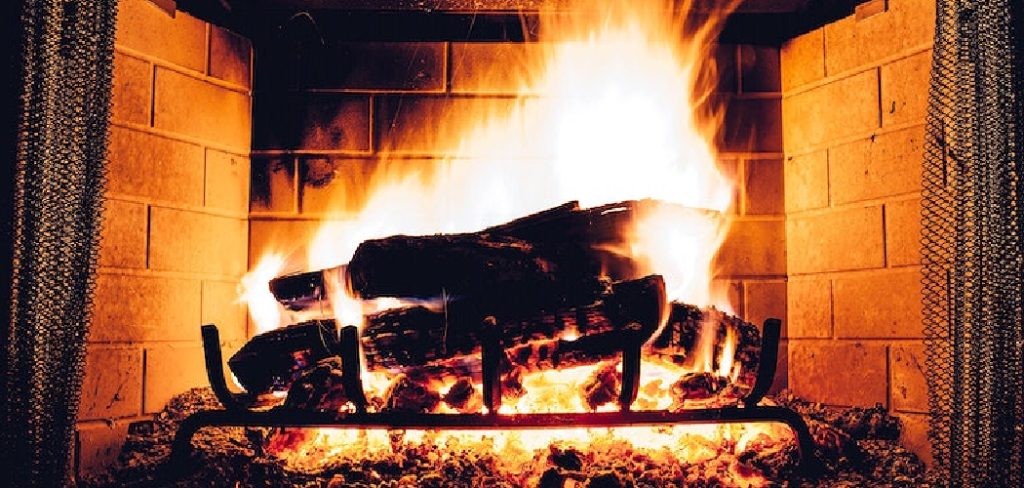
Fortunately, the secret to a crystal-clear viewing pane lies right inside the firebox itself. By utilizing natural, readily available materials from your own hearth, you can restore your stove to its original pristine condition. This beginner-friendly guide will teach you exactly how to clean wood burner glass using a simple, traditional method. You will save time, avoid artificial chemical odors, and get back to enjoying your well-earned fireside relaxation alongside your indoor winter seedlings.
Why Clear Fireplace Glass Matters for the Indoor
For anyone who loves cultivating the earth, a wood stove is more than just a heating appliance; it is a natural extension of a sustainable, self-reliant lifestyle. Many gardeners take immense pride in harvesting, splitting, and seasoning their own fallen timber or pruning scraps. Watching that carefully prepared applewood or oak burn efficiently is a deeply satisfying experience. When your viewing pane becomes caked in thick black soot, you lose that visual connection to the natural fuel you worked so hard to prepare.
9 Step-by-Step Guide on How to Clean Wood Burner Glass
Step 1: Allow the Stove to Cool Completely
Before you begin your maintenance routine, safety must be your absolute top priority. You should never attempt to wash a hot or even mildly warm fireplace pane. Applying cool liquids or damp materials to a heated ceramic surface causes rapid thermal shock, which can instantly shatter the expensive glass. Plan your cleaning session for the early morning before you light your first fire of the day. Place your bare hand near the metal door frame to ensure no residual heat remains from the previous evening. A completely cool surface guarantees a safe, stress-free working environment.
Step 2: Protect Your Hearth and Flooring
Cleaning a fireplace can quickly become a messy endeavor, especially when dealing with loose soot and dry white powder. To protect your beautiful hearth stones and surrounding hardwood floors, you must establish a protective barrier. Spread an old, thick towel or several overlapping sheets of newspaper directly beneath the stove door. When you swing the door open, loose debris will inevitably cascade downward. This simple preventative measure catches all the falling debris, saving you from an extensive floor-scrubbing session later. Taking a moment to prepare your workspace keeps the rest of your home pristine.

Step 3: Gather Fine White Ash From the Firebox
The absolute best abrasive material for removing baked-on creosote is already sitting inside your stove. Open the door and look for the finely textured, light gray or white powder left over from your hottest fires. Avoid grabbing any large chunks of unburned charcoal, hardened wood, or hidden metal staples from recycled lumber, as these rough items will severely scratch the ceramic pane. Use a small garden trowel or a metal scoop to carefully transfer a half cup of this ultra-fine, powdery material into a shallow plastic container or an old, discarded ceramic bowl.
Step 4: Prepare a Damp Cloth or Newspaper
With your natural abrasive powder sifted and ready, you need a vehicle to apply it effectively. You have two excellent options for this task: a clean microfiber rag or several sheets of crumpled, black-and-white newspaper. If you choose paper, avoid the glossy, colored advertising inserts, as they do not absorb water well. Take your chosen material to the kitchen sink and run it under plain tap water. Wring the material out completely until it is only slightly damp. If your rag is dripping wet, it will create a massive, muddy streak rather than an effective scrubbing paste.
Step 5: Dip the Damp Material Into the Ash
Now you will combine your moisture with the natural powder to create a powerful, non-toxic scrubbing compound. Take your moistened rag or wadded paper and press it firmly into your shallow bowl of fine powder. The moisture will instantly grab a thick layer of the gray dust, forming a gritty paste on the surface of your material. This paste acts as a remarkably effective micro-abrasive. It is strong enough to easily tear through incredibly stubborn, baked-on carbon deposits, yet gentle enough to leave the specialized ceramic surface completely unblemished and scratch-free.
Step 6: Scrub the Soot Using Circular Motions
Apply your paste-covered material directly to the blackened interior of the door. Begin working in small, overlapping circular motions, applying moderate pressure to the most heavily stained areas. You will immediately notice the dark, crusty creosote melting away and blending into a muddy brown liquid. As your rag or paper becomes saturated with the dark grime, simply fold it over to reveal a clean section, dampen it slightly if necessary, and dip it right back into your abrasive powder. Continue this rhythmic scrubbing process until you have covered the entire viewing area.
Step 7: Wipe Away the Dirty Ash Residue
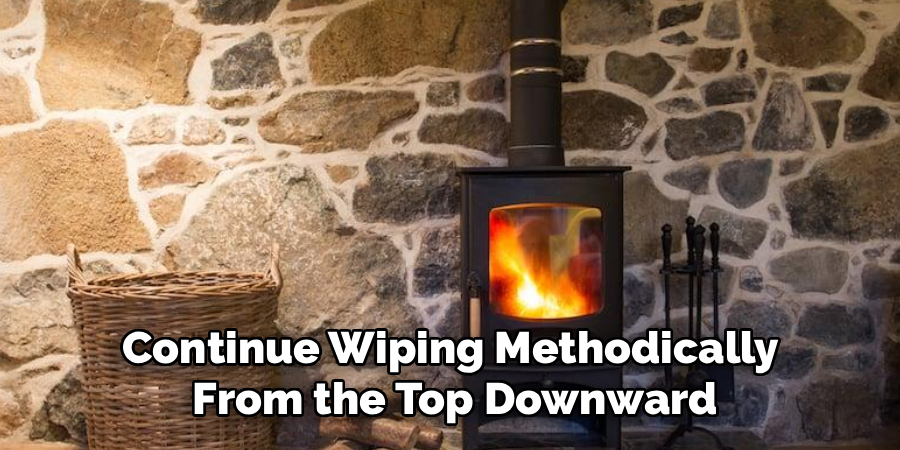
Once you have successfully broken down the heavy layer of baked-on carbon, you must remove the resulting murky film from the surface. Take a fresh, clean cloth or a brand-new wad of damp paper. Gently wipe across the entire area, lifting the muddy slurry away from the pane. You will likely need to rinse this second cloth several times in a nearby bucket of clean water, as the soot easily smears. Continue wiping methodically from the top downward until the thick gray haze disappears completely, revealing the transparent surface beneath.
Step 8: Mastering Burner Glass Edges
Corners and edges often harbor the absolute most stubborn buildup because the flames rarely reach high enough temperatures in those tight crevices to burn the soot away naturally. Pay special attention to where the ceramic meets the metal door gasket. Take a small, damp piece of paper, dip it into your abrasive powder, and wedge it carefully into the corners. Use your thumb to apply highly targeted pressure along the perimeter. By focusing your efforts on these neglected outer borders, you guarantee a truly professional finish that makes the entire door look brand new.
Step 9: Buff the Surface with a Dry Cloth
The final stage of the process ensures a brilliant, streak-free finish that allows the firelight to shine brightly into your room. After you have wiped away all the visible moisture and residual slurry, grab a completely dry, lint-free microfiber towel. Vigorously buff the entire surface using broad, sweeping motions. This vigorous buffing action eliminates any lingering water spots and removes the microscopic dust particles left behind by the cleaning paste. Step back and admire your hard work; you now have a perfectly transparent window ready for your next cozy evening indoors.
Frequently Asked Questions
What Causes The Glass On My Wood Stove To Turn Black?
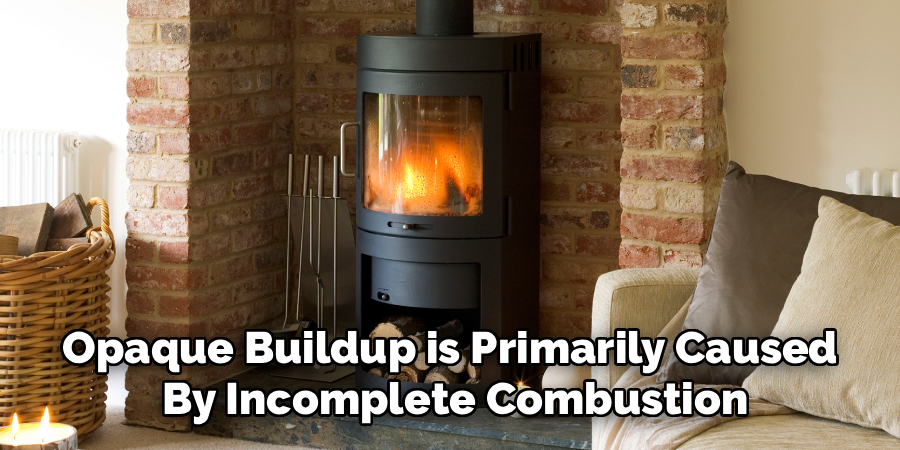
Dark, opaque buildup is primarily caused by incomplete combustion, which produces excess smoke and creosote.
- Burning unseasoned or “green” wood that contains too much moisture.
- Restricting the oxygen flow too early, causing the fire to smolder.
- Placing logs too close to the front door, allowing flames to lick the surface directly.
- Operating the stove at temperatures too low to actively burn off the natural soot.
Can I Use Standard Window Cleaner On My Fireplace?
You should never use standard household window sprays on your heating appliance.
- Standard cleaners are formulated for ordinary glass, not the specialized high-heat ceramic used in stoves.
- Ammonia-based sprays simply smear heavy carbon deposits instead of cutting through them.
- Chemical residues left behind can produce toxic, foul-smelling fumes when the appliance is eventually heated.
- Sticking to the natural ash method is always safer and vastly more effective.
How Often Should I Clean The Fireplace Viewing Pane?
The frequency of your maintenance routine depends entirely on your burning habits and fuel quality.
- If you burn dry, well-seasoned hardwood, a weekly wipe-down is usually sufficient.
- If you frequently burn at low, smoldering temperatures overnight, you may need to wipe it every few days.
- Waiting too long allows the creosote to bake into a hardened glaze, making the job much more difficult.
Will Newspaper Ink Scratch The Ceramic Glass?
Standard black-and-white newspaper is completely safe to use for this specific maintenance task.
- The paper fibers are soft enough to avoid scratching the hardened ceramic.
- Modern newspaper ink is typically soy-based and entirely non-abrasive.
- You must, however, avoid glossy magazine pages or thick advertising inserts, as their slick coatings do not hold moisture well and can leave a sticky residue behind.
Does Burning Certain Garden Woods Create More Soot?
Yes, the type of branches and logs you harvest from your property directly impacts the cleanliness of your firebox.

- Pine, spruce, and other resinous softwoods naturally produce significantly more smoke and creosote.
- Seasoned hardwoods like oak, maple, and fruitwood burn much hotter and significantly cleaner.
- No matter what species you choose, ensure it has dried for at least one full year to prevent excessive smoldering.
Conclusion
Tending to a beautiful winter fire is a natural extension of the patience and care you pour into your summer gardens. By utilizing the simple materials left behind by your seasoned logs, you can easily maintain a beautiful, functional heating source without introducing harsh chemicals into your serene home environment. The traditional method of using fine white powder and a damp cloth cuts through even the most stubborn carbon deposits, restoring your fireside view perfectly.
Now that you understand how to clean wood burner glass, you can confidently clear away that gloomy soot and enjoy the radiant beauty of your indoor hearth. Gather your simple supplies, wait for your stove to cool, and take pride in restoring your cozy winter sanctuary to its brightest, most welcoming state.

About
Mike May is a distinguished figure in the world of woodworking and timber design, with a decade of expertise creating innovative and sustainable indoor solutions. His professional focus lies in merging traditional craftsmanship with modern manufacturing techniques, fostering designs that are both practical and environmentally conscious. As the author of Woodimber, Mike delves into the art and science of timber-craft, inspiring artisans and industry professionals alike.
Education
RMIT University (Melbourne, Australia)
-
Associate Degree in Design (Timber): Focus on sustainable design, industry-driven projects, and practical craftsmanship.
-
Gained hands-on experience with traditional and digital manufacturing tools, such as CAD and CNC software.
Nottingham Trent University (United Kingdom)
-
Bachelor’s in Woodworking and Product Design (Honors): Specialized in product design with a focus on blending creativity with production techniques.
-
Participated in industry projects, working with companies like John Lewis and Vitsoe to gain real-world insights.
Publications and Impact
In Woodimber, May shares his insights on timber design processes, materials, and strategies for efficient production. His writing bridges the gap between artisan knowledge and modern industry needs, making it a must-read for both budding designers and seasoned professionals.