

Creating beautiful pastries and flaky pie crusts requires high-quality kitchen tools that perform consistently. A sturdy timber barrel remains the absolute best choice for rolling dough smoothly, but it requires specific attention to maintain its smooth surface. Many novice bakers unintentionally ruin their favorite baking accessories by using aggressive cleaning methods that strip natural moisture.

Understanding exactly how to care for a wooden rolling pin ensures your essential baking tools remain safe, sanitary, and perfectly functional. Proper maintenance prevents the natural fibers from drying out, cracking, or harboring dangerous bacteria from raw dough. This comprehensive guide walks you through the exact methods needed to preserve your equipment. You will discover the best techniques to clean and condition your accessories so they perform beautifully every single time you bake.
Why Caring For Your Wooden Rolling Pin Is Essential
Taking the time to maintain your natural kitchen tools guarantees they will last for generations while keeping your food completely safe. Natural timber acts as a porous material that constantly interacts with its surrounding environment, expanding and contracting with moisture changes. When you neglect proper maintenance, the surface dries out entirely, leading to deep microscopic cracks across the barrel. These invisible cracks easily trap raw flour, butter, and moisture, creating the perfect breeding ground for harmful bacteria in your kitchen.
A well-maintained surface also dramatically improves your entire baking experience by preventing sticky dough from ruining your pastries. Regular conditioning creates an incredibly smooth, naturally non-stick barrier that glides effortlessly across your delicate pie crusts and sugar cookies. You save significant time and frustration because you no longer have to constantly dust your counter with excess flour just to prevent sticking. This proper care routine transforms a basic kitchen tool into a highly reliable instrument that produces professional-quality results effortlessly.
Step-By-Step Guide To Maintenance
Step 1: Care For Rolling Pin Daily
Establishing a consistent daily routine serves as the absolute foundation for keeping your baking tools in perfect condition. You must address messy dough residue immediately after finishing your baking session rather than leaving the dirty tool on the counter. Allowing wet flour and butter to dry completely onto the barrel makes the cleaning process significantly more difficult later. Recognizing the importance of immediate attention prevents aggressive scrubbing that easily damages the delicate natural grain over time.
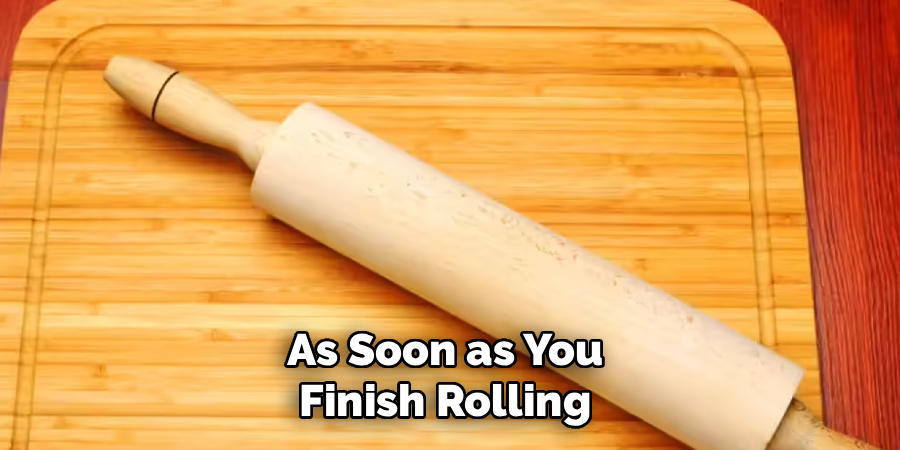
Step 2: Scrape Away Excess Dough Gently
Before water ever touches the natural fibers, you must physically remove any sticky dough clinging to the surface. Take a plastic bench scraper or a flexible silicone spatula and gently push the thick residue off the barrel. You must strictly avoid using metal knives or sharp stainless steel scrapers, as these easily gouge the soft timber fibers. Working carefully along the entire length of the barrel removes the vast majority of the mess without introducing unnecessary moisture.
Step 3: Wash With Warm Water Slowly
Proper washing requires a gentle touch and the absolute minimum amount of water necessary to remove lingering flour dust. Take a soft kitchen sponge or a clean microfiber cloth and dampen it slightly with lukewarm tap water. Add a single drop of extremely mild liquid dish soap to the sponge and gently massage the barrel to lift away sticky butter fats. You want to work quickly and efficiently, ensuring the natural material spends as little time exposed to the moisture as possible.
Step 4: Avoid Soaking The Timber Completely
Immersing your kitchen tools entirely underwater remains the absolute most destructive mistake any home baker can make. Natural timber acts exactly like a rigid sponge, rapidly drinking up standing water through tiny microscopic pores along the surface. This massive intake of moisture forces the internal fibers to swell violently, resulting in severe warping and massive structural cracks. You must keep the item out of the sink basin entirely, relying only on your damp sponge to handle the cleaning process safely.
Step 5: Dry The Surface Immediately
Removing residual moisture promptly protects the structural integrity of your baking equipment from slow, silent water damage. Once you finish washing away the soapy residue, grab a completely dry, highly absorbent cotton kitchen towel. Rub the towel firmly along the entire length of the barrel, pressing into the handles to absorb hidden water droplets entirely. Taking an extra minute to ensure the surface feels perfectly dry to the touch prevents the natural fibers from swelling during storage.

Step 6: Learn Care Wooden Pin With Oil
Conditioning the natural fibers restores essential moisture and prevents the material from becoming dangerously brittle over time. You need to purchase a food-grade mineral oil or a specialized butcher block conditioner designed specifically for kitchen equipment. You must absolutely avoid using standard cooking oils like olive oil or vegetable oil, as these eventually turn rancid and smell terrible. Food-grade mineral oil remains completely stable, safely nourishing the dry fibers without introducing any harmful toxins or unpleasant odors to your food.
Step 7: Apply The Protective Coating Evenly
The application process requires careful attention to ensure the protective oil penetrates the dry fibers completely and evenly. Pour a small, dime-sized amount of mineral oil directly onto a fresh, lint-free cloth or sturdy paper towel. Massage the liquid firmly into the barrel using long, smooth strokes that follow the natural direction of the grain. Cover the entire surface entirely, including the handles and the metal axel crevices, creating a beautiful, rich sheen across the whole piece.
Step 8: Store The Kitchen Tool Safely
Proper storage provides the final layer of protection against accidental damage and unnecessary environmental stress in your kitchen. You must leave the freshly oiled accessory sitting on the counter for a few hours to absorb the conditioner fully. Once dry, store the piece inside a dedicated pantry drawer or cabinet away from direct sunlight and extreme heat sources. Keeping the item away from your hot oven prevents the natural fibers from drying out prematurely between your weekend baking sessions.

Frequently Asked Questions
Can I Put My Kitchen Tool In The Dishwasher?
You must never place any natural timber products inside a mechanical dishwasher under any circumstances. The intense heat, harsh chemical detergents, and prolonged water exposure will completely destroy the item in a single wash cycle. The extreme environment aggressively strips away all natural oils, causing the barrel to warp rapidly and split straight down the middle. Hand washing remains the only safe method for cleaning your delicate baking accessories properly.
What Kind Of Oil Works Best For Protection?
Food-grade mineral oil serves as the absolute best conditioning product for all your natural kitchen accessories. This highly refined liquid will never go rancid, completely eliminating the risk of foul odors transferring onto your delicate pastry dough. Many hardware stores also sell specialized butcher block creams that combine mineral oil with natural beeswax for extra protection. You should apply these safe products whenever the barrel begins to look dull or feels noticeably dry to the touch.
How Do I Remove Strong Smells From The Timber?
Natural materials occasionally absorb pungent aromas if you frequently roll out savory doughs containing strong herbs or garlic. You can easily neutralize these lingering smells by slicing a fresh lemon in half and rubbing the juice directly onto the barrel. Sprinkle a generous amount of coarse kosher salt over the damp surface and use the lemon half to gently scrub the area. Wipe away the salty mixture with a damp cloth to reveal a perfectly fresh, clean-smelling surface ready for sweet baking.
Will Vinegar Damage The Natural Surface?
Diluted white vinegar provides an excellent, completely safe sanitizing option for your kitchen equipment after rolling out raw dough. The natural acidity easily cuts through stubborn butter fats while effectively killing surface bacteria without relying on harsh industrial chemicals. You simply mix equal parts water and white vinegar in a small spray bottle, mist the barrel lightly, and wipe it immediately. Always remember to condition the piece with mineral oil afterward, as vinegar acts as a mild astringent that removes moisture.
Should I Sand The Barrel If It Gets Rough?
Addressing rough patches or raised grain requires extreme care to avoid changing the perfectly round shape of your tool. You can gently buff away minor rough spots using a very fine piece of four-hundred-grit sandpaper. Lightly sand the affected area by following the natural direction of the grain until the surface feels perfectly smooth again. You must wipe away all the resulting dust completely and apply a heavy coat of mineral oil to seal the freshly exposed fibers.
Conclusion
Taking excellent care of your baking equipment guarantees a lifetime of perfectly rolled pie crusts and beautiful pastries. We explored exactly why prioritizing proper maintenance prevents dangerous bacteria growth and stops the material from drying out prematurely. By dedicating just a few minutes to gentle cleaning and regular oiling, you protect your valuable kitchen investments effortlessly. Now that you know exactly how to care for a wooden rolling pin, you can bake with complete confidence. Grab your food-grade mineral oil today, treat your favorite accessories to a conditioning session, and enjoy a flawless baking experience tomorrow.

About
Mike May is a distinguished figure in the world of woodworking and timber design, with a decade of expertise creating innovative and sustainable indoor solutions. His professional focus lies in merging traditional craftsmanship with modern manufacturing techniques, fostering designs that are both practical and environmentally conscious. As the author of Woodimber, Mike delves into the art and science of timber-craft, inspiring artisans and industry professionals alike.
Education
RMIT University (Melbourne, Australia)
-
Associate Degree in Design (Timber): Focus on sustainable design, industry-driven projects, and practical craftsmanship.
-
Gained hands-on experience with traditional and digital manufacturing tools, such as CAD and CNC software.
Nottingham Trent University (United Kingdom)
-
Bachelor’s in Woodworking and Product Design (Honors): Specialized in product design with a focus on blending creativity with production techniques.
-
Participated in industry projects, working with companies like John Lewis and Vitsoe to gain real-world insights.
Publications and Impact
In Woodimber, May shares his insights on timber design processes, materials, and strategies for efficient production. His writing bridges the gap between artisan knowledge and modern industry needs, making it a must-read for both budding designers and seasoned professionals.