
Wood shavings are a wonderfully versatile and natural material with countless uses, from animal bedding to garden mulch. While you can buy them in bags, making your own is a simple, cost-effective, and satisfying process, especially if you already have scrap wood lying around.
For beginners, the idea of turning a solid block of wood into a pile of fluffy shavings might seem like a task reserved for a professional workshop, but it is surprisingly achievable with the right tools and techniques.
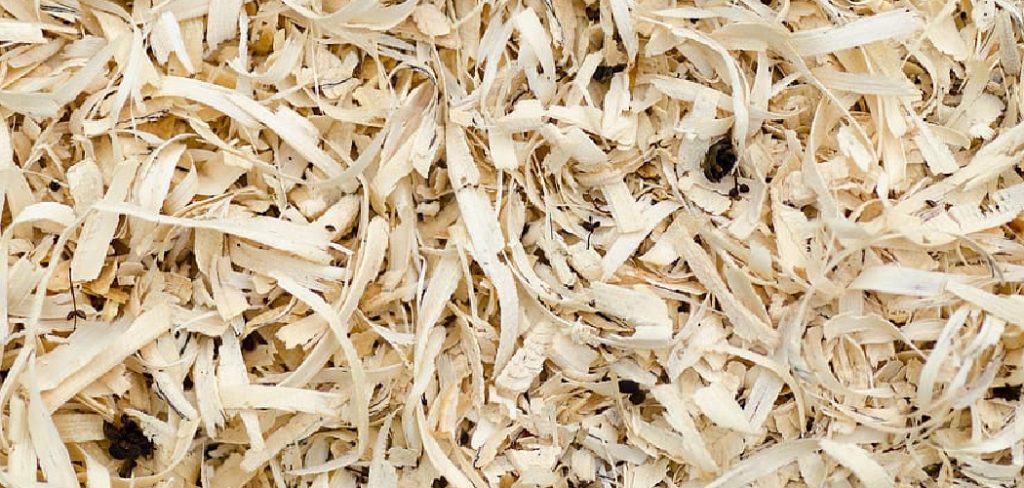
Learning how to make wood shavings empowers you to create a high-quality product for your specific needs, whether for a pet’s enclosure or to enrich your compost pile. This guide will walk you through several easy methods, from simple hand tools to common power tools, ensuring you can start producing your own shavings safely and efficiently.
Why Wood Shavings are So Useful
Before diving into the “how,” it is helpful to understand the “why.” Wood shavings are far more than just a byproduct of woodworking; they are a valuable resource. One of their most popular uses is as animal bedding for pets like hamsters, guinea pigs, and chickens.
The shavings are highly absorbent, help control odors, and provide a soft, comfortable surface. In the garden, they serve as an excellent mulch, suppressing weeds, retaining soil moisture, and slowly breaking down to enrich the soil. They are also a fantastic “brown” material for compost piles, balancing out “green” materials like kitchen scraps. Woodworkers use them for wood filler mixtures, and they can even be used as a natural fire starter for campfires or wood stoves.
Step-by-Step Guide on How to Make Wood Shavings
Step 1: Select Safe and Appropriate Wood
The first and most important step is to choose the right kind of wood. Always use clean, dry, untreated lumber. Never use pressure-treated wood, MDF, particleboard, or any wood that has been painted, stained, or glued, as these contain toxic chemicals that can be harmful to animals and plants. For animal bedding, kiln-dried pine and aspen are the top choices because they are soft and have low dust content. Avoid cedar for small animals, as its aromatic oils can cause respiratory issues. For garden mulch or compost, a wider variety of untreated woods like oak, maple, or fir will work perfectly.
Step 2: Ensure Proper Safety Gear and Workspace
Safety should always be your top priority, regardless of the method you choose. Before you start, put on a pair of safety glasses to protect your eyes from flying debris and wood chips. If you are using power tools that generate a lot of fine dust, wearing a dust mask is also highly recommended to protect your lungs. A sturdy pair of work gloves will protect your hands from splinters and give you a better grip on your tools and the wood. Make sure your workspace is clean, well-lit, and free of clutter to prevent trips and falls.

Step 3: Shavings with a Hand Plane
Using a hand plane is the most traditional and quietest method for creating beautiful, ribbon-like shavings. Secure a piece of scrap wood firmly in a vise or clamp it to a workbench so it cannot move. Set the blade of your hand plane to a shallow depth to create thin, delicate shavings.
Holding the plane firmly, push it across the surface of the wood in long, smooth strokes, always moving in the direction of the wood grain. The plane will peel off a layer of wood, which will curl up and exit through the top. This method is meditative and gives you great control over the thickness of your shavings.
Step 4: Using a Power Planer for Faster Production
If you need a larger quantity of shavings more quickly, a power planer is an excellent tool for the job. Like with the hand plane, you must secure your piece of wood firmly. Set the depth of the power planer’s blade to a shallow setting. Turn on the planer and, holding it with both hands, guide it smoothly across the surface of the wood. The power tool will make quick work of the task, ejecting a stream of uniform shavings. Be prepared for the noise and the amount of shavings it produces, and make sure you have a clear area for them to collect.
Step 5: The Jointer Method for Uniform Shavings
A jointer is a stationary power tool found in many woodworking shops that is perfect for producing large volumes of clean, consistent shavings. Before starting, ensure the machine’s safety guards are in place and functioning correctly. Set the cutting depth to a shallow setting, typically around 1/16th of an inch.
Turn on the machine and carefully push your piece of wood across the cutter head using push blocks, never your bare hands. The jointer will shave off a thin layer from the bottom of the board, producing a pile of uniform shavings beneath the machine. This is a very efficient method if you have access to one.

Step 6: Using a Drill with a Specialty Bit
An interesting and accessible method involves using a power drill. You can purchase specialty drill bits, often called rotary rasps or carving burrs, that are designed to shave wood away. Secure a piece of wood in a vise. Insert the specialty bit into your drill and, starting at a low speed, press the spinning bit against the wood. It will quickly begin to rasp away the wood fibers, creating a pile of fine shavings. This method is great for working with oddly shaped pieces of wood that might not be suitable for a planer.
Step 7: The Bandsaw Method for Fine Sawdust
If you need a finer, sawdust-like material rather than larger shavings, a bandsaw is an effective tool. This method works by repeatedly slicing thin layers off the end of a board. Set up your bandsaw with a blade that has a high tooth count for a smoother cut. Carefully push your piece of wood through the blade to slice off a very thin piece. Because you are creating many small cuts, the resulting material will be closer to coarse sawdust than curly shavings. This finer texture can be ideal for certain applications, like creating a wood filler paste.
Step 8: Collect and Store Your Shavings Properly
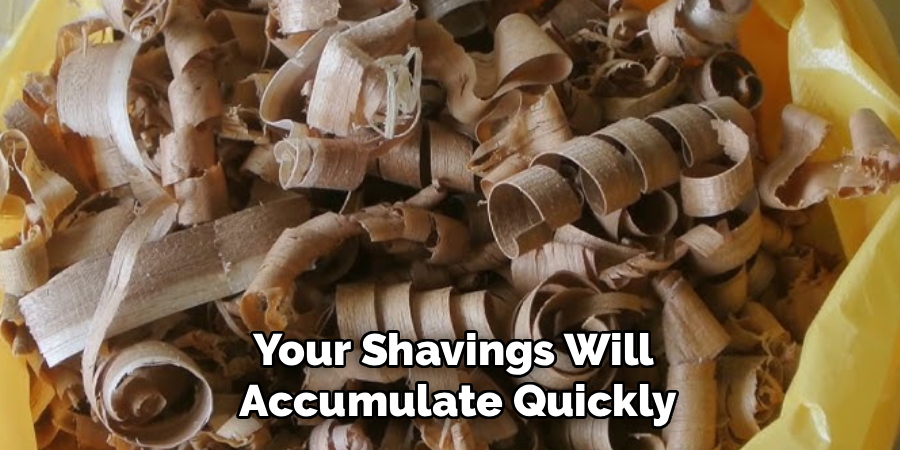
As you work, your shavings will accumulate quickly. Have a large container, cardboard box, or durable bag ready to collect them. Keeping your workspace clean as you go prevents the shavings from getting dirty or becoming a safety hazard. Once you have made the amount you need, store the shavings in a dry location, protected from moisture. A sealed container or a well-tied bag will keep them clean and dry until you are ready to use them for bedding, mulch, or any other purpose. Proper storage ensures your hard work does not go to waste.
Frequently Asked Questions
What Is the Best Wood to Use for Animal Bedding?
For animal bedding, kiln-dried woods with low dust and low aromatic oils are best.
- Aspen: This is widely considered the safest option for small pets like hamsters, gerbils, and rabbits as it is hypoallergenic and non-aromatic.
- Kiln-Dried Pine: Once kiln-dried, the harmful aromatic oils (phenols) in pine are significantly reduced, making it a safe and highly absorbent option for chickens, guinea pigs, and other animals.
Is It Safe to Use Sawdust Instead of Shavings?
It is generally not recommended to use fine sawdust for animal bedding. The small particles can easily be inhaled, leading to respiratory problems for your pets. Sawdust also tends to be less absorbent than larger shavings and can compact when wet, creating a less healthy environment. Stick to larger, fluffier shavings for bedding.
Can I Use Wood Shavings from a Chainsaw?
You should avoid using shavings from a chainsaw. The bar and chain of a chainsaw are lubricated with oil to function properly. This oil contaminates the wood chips, making them unsafe for use as animal bedding or in a vegetable garden. Only use shavings from clean, un-lubricated blades like those on a planer or hand plane.
How Do I Make Sure My Wood Is Dry Enough?
For the best shavings, your wood should have a low moisture content. You can purchase a moisture meter to get an exact reading (ideally under 12%). If you do not have a meter, a good indicator is the wood’s weight; dry wood is significantly lighter than wet wood. It should also sound hollow when you tap on it. Using dry wood results in cleaner, fluffier shavings.
What Is the Easiest Method for a Beginner?
For a true beginner with limited tools, the hand plane method is the most accessible and safest starting point. It requires a minimal investment in tools (just a basic plane and a way to clamp the wood) and allows you to learn the feel of working with wood. While it is slower than power tool methods, it offers excellent control and produces high-quality shavings.

Conclusion
Creating your own wood shavings is a practical skill that turns scrap material into a valuable resource for your home, garden, and pets. Whether you choose the quiet, traditional path of a hand plane or the fast efficiency of a power tool, the process is straightforward and rewarding.
The most important principles are to always prioritize safety, use clean and untreated wood, and select the right tool for the type of shaving you want to produce. The effort you put in will result in a custom, high-quality product that money can’t always buy.
Now that you have this complete guide on how to make wood shavings, you are ready to start. Look at that pile of scrap lumber in your garage not as waste, but as potential. You have the knowledge to transform it into something useful and save money in the process.

About
Mike May is a distinguished figure in the world of woodworking and timber design, with a decade of expertise creating innovative and sustainable indoor solutions. His professional focus lies in merging traditional craftsmanship with modern manufacturing techniques, fostering designs that are both practical and environmentally conscious. As the author of Woodimber, Mike delves into the art and science of timber-craft, inspiring artisans and industry professionals alike.
Education
RMIT University (Melbourne, Australia)
-
Associate Degree in Design (Timber): Focus on sustainable design, industry-driven projects, and practical craftsmanship.
-
Gained hands-on experience with traditional and digital manufacturing tools, such as CAD and CNC software.
Nottingham Trent University (United Kingdom)
-
Bachelor’s in Woodworking and Product Design (Honors): Specialized in product design with a focus on blending creativity with production techniques.
-
Participated in industry projects, working with companies like John Lewis and Vitsoe to gain real-world insights.
Publications and Impact
In Woodimber, May shares his insights on timber design processes, materials, and strategies for efficient production. His writing bridges the gap between artisan knowledge and modern industry needs, making it a must-read for both budding designers and seasoned professionals.