

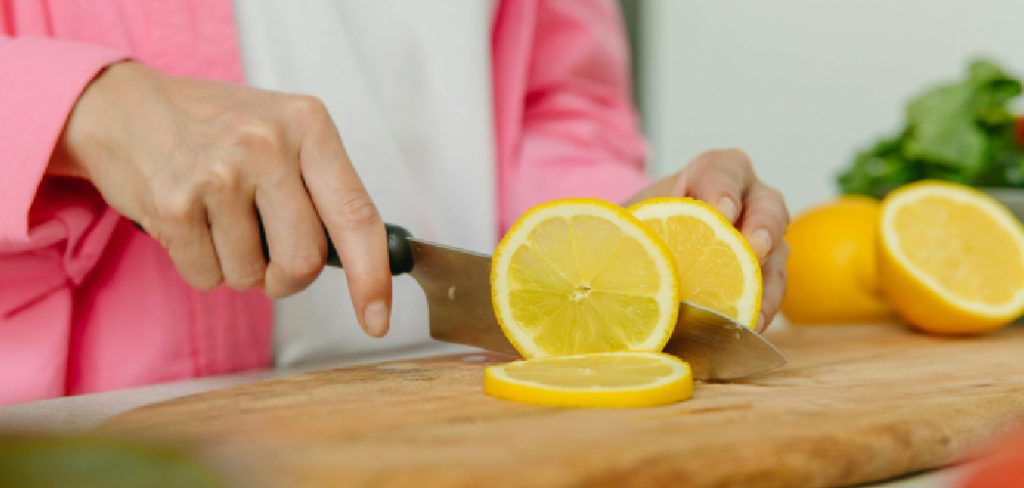
Cooking fresh meals at home brings immense joy, but it also leaves behind messy and heavily used workspaces. Your trusted wooden prep block takes the absolute brunt of slicing, dicing, and chopping every single day. Over time, heavy juices and pungent odors seep deep into the porous wood fibers.
You might be wondering exactly how to clean wooden cutting board with lemon to maintain a pristine kitchen environment. We are here to guide you through this natural, highly effective sanitation method step by step. Utilizing everyday citrus provides a completely safe alternative to harsh chemical sprays that might contaminate your food. This method keeps your food preparation surfaces smelling incredibly fresh and looking brand new for years. By following our simple guidance, you will extend the lifespan of your favorite kitchen tools significantly while keeping your family safe.
Why You Should Clean With Citrus
Using natural citrus provides an incredible array of long-lasting benefits for your culinary workspace. Lemons contain remarkably high levels of citric acid, which acts as a powerful natural antibacterial agent. This active acid easily breaks down stubborn food stains and neutralizes lingering odors from strong ingredients like onions or garlic. When you choose natural cleaning methods, you completely eliminate the dangerous risk of synthetic chemicals transferring onto your family meals. You gain total peace of mind knowing your food touches only pure, natural elements.
Moreover, the natural oils found in fresh citrus rinds offer subtle conditioning properties for sensitive timber surfaces. Regular dish soap and scalding hot water often dry out timber fibers, leading to unwanted cracks and structural warping over time. A citrus treatment gently lifts deep-seated grime without stripping away all the essential internal moisture. It serves as a highly accessible, cost-effective maintenance strategy using items you likely already have sitting in your fruit bowl. Embracing this eco-friendly approach protects both your family health and the long-term longevity of your expensive culinary tools.
Step-By-Step Guide To How to Clean Wooden Cutting Board with Lemon
Step 1: Gathering Supplies
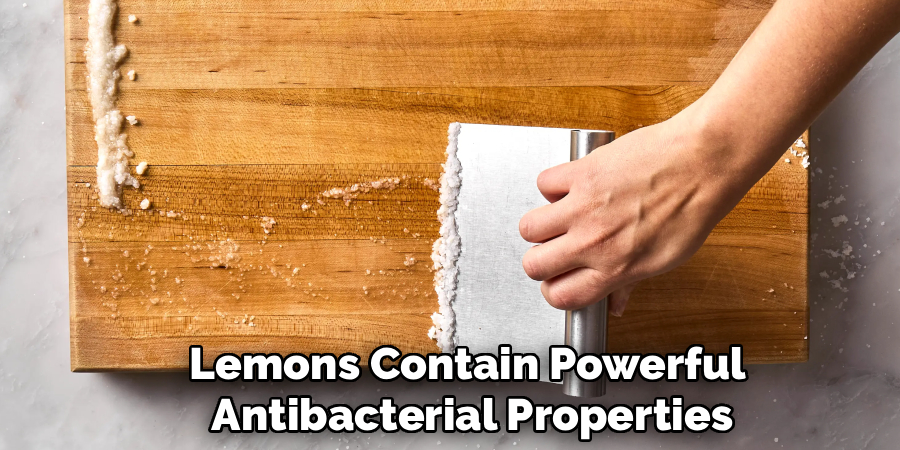
Before you begin the sanitizing process, gather all necessary supplies to ensure an efficient workflow. You will need one large, fresh citrus fruit, preferably one that feels heavy, as it contains the most juice. You also need a very generous handful of coarse kosher salt or thick sea salt. Avoid using standard table salt, as the tiny grains are simply too fine to provide adequate scrubbing friction. Keep a clean, damp microfiber cloth and a dry kitchen towel nearby for the finishing stages. Having absolutely everything prepared in advance makes the entire sanitation process incredibly smooth and efficient.
Step 2: Washing Away The Surface Debris
Always begin the process by giving your block a basic wash to remove loose food particles. Run the timber surface under warm tap water and use a mild dish soap with a soft kitchen sponge. Scrub away any obvious grease or sticky residue left behind from your previous meal preparation. Rinse the soap away completely to ensure you start your deep cleaning with a relatively clean slate. Towel dry the surface gently so it remains just slightly damp rather than heavily soaking wet. This slight, even dampness helps the coarse salt stick properly in the next crucial stage.
Step 3: Spreading The Coarse Salt Evenly
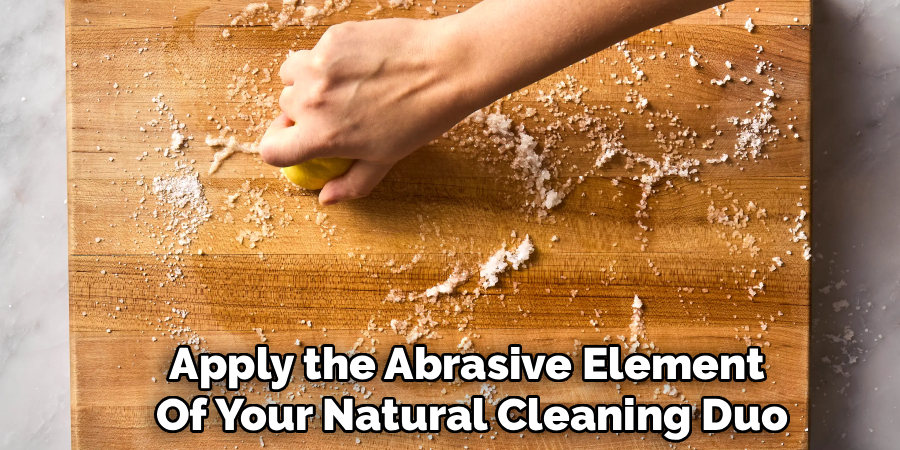
Take your coarse kosher salt and sprinkle a heavy, generous layer across the entire damp surface. Focus heavily on specific areas that feature deep knife scratches, prominent colorful stains, or strong lingering odors. The salt acts as an aggressive abrasive scrubbing agent that pulls trapped moisture and bacteria out of the deep fibers. Do not be afraid to use a heavy hand during this initial application step. A thick layer of coarse salt provides the exact necessary grit to lift away stubborn impurities hidden just beneath the top layer of wood.
Step 4: Scrubbing With The Citrus Half
Take one half of your freshly cut fruit and press it firmly flesh-side down onto the salted surface. Use the fruit exactly like a commercial scouring pad, rubbing it in tight circular motions across the entire area. As you scrub, gently squeeze the outer rind to release fresh acidic juices directly into the salt bed. The combination of abrasive salt and highly acidic juice creates a powerful natural paste that instantly breaks down grime. Continue scrubbing for several uninterrupted minutes until you cover every single square inch of the surface.
Step 5: Tackling Stubborn Stains And Edges
Pay special attention to the deep outer grooves, side edges, and heavily stained central sections during your scrubbing session. Food liquids often pool near the edges or seep deeply into knife marks created by heavy daily chopping. Spend extra time working the acidic salt paste into these specific, stubborn problem areas. Squeeze a bit more fresh juice directly onto dark berry stains or spots smelling strongly of roasted garlic. The natural acid needs adequate contact time and physical friction to dissolve these highly concentrated blemishes successfully.
Step 6: Letting The Mixture Rest And React
Once you finish scrubbing vigorously, leave the wet gritty paste sitting undisturbed on the surface for about ten minutes. This quiet resting period remains absolutely crucial for achieving a deep, thorough sanitation level. The acidic juices need this time to actively kill off lingering bacteria trapped within the microscopic wood grain. Meanwhile use a cloth that is only slightly damp, rather than soaking wet, to prevent the porous wood fibers from absorbing excess tap water, which can cause the board to warp.
Step 7: Rinsing Away The Cleaning Paste

After the designated resting period ends, carry your block over to the kitchen sink for a thorough final rinse. Use a clean, damp sponge or a fresh microfiber cloth to carefully wipe away the gritty paste. Run warm water over the entire surface to ensure absolutely no acidic residue or salt grains remain behind. Leaving acidic juice on the timber for too long can eventually degrade the delicate wood fibers. Ensure you rinse both the front and back sides completely so the entire piece feels perfectly smooth and brilliantly clean.
Step 8: Proper Drying Techniques
The final step focuses entirely on proper drying techniques to prevent future moisture damage and warping. Take a clean, dry microfiber towel and press it firmly against the damp wood to absorb all excess surface water. Never lay the wet block flat on your kitchen counter, as trapped moisture underneath leads directly to mold growth. Instead, prop the piece securely upright on its side in a well-ventilated area so air circulates completely around it. Allow the timber to air dry completely overnight before storing it back inside your dark kitchen cabinets.
Frequently Asked Questions
How Often Should I Perform This Citrus Cleaning Routine?
You should perform this deep sanitation routine approximately once every month for standard daily household usage. If you cook constantly and chop highly aromatic foods like raw onions frequently, you might easily benefit from a bi-weekly treatment. Routine deep maintenance ultimately prevents stubborn odors from permanently settling into the delicate wood grain over time. Daily cleaning only requires mild dish soap and warm water, saving this acidic natural scrub for periodic deep sanitation sessions.
Can I Use Bottled Juice Instead Of Fresh Fruit?
Fresh fruit always provides significantly better and more thorough results than any bottled liquid alternatives. Fresh halves give you a sturdy, physical scrubbing tool that holds the abrasive salt perfectly against the wooden surface. Bottled varieties often contain hidden artificial preservatives and completely lack the natural rind oils that help condition the timber fibers. However, in an absolute emergency pinch, you can mix bottled juice with salt to form a paste and scrub it using a sponge.
Will The Acid Damage My Expensive Kitchen Blocks Over Time?
Occasional acidic treatments will absolutely not harm your high-quality timber items if you follow the rinsing instructions carefully. The natural acid safely breaks down organic food compounds without eating away at the highly durable cellulose structure. You simply must remember to rinse the juices off completely after the short ten-minute resting period ends. Following up with a moisturizing natural oil treatment also ensures the sensitive fibers remain hydrated and deeply protected from any potential drying effects.
Do I Need To Apply Mineral Oil After This Process?
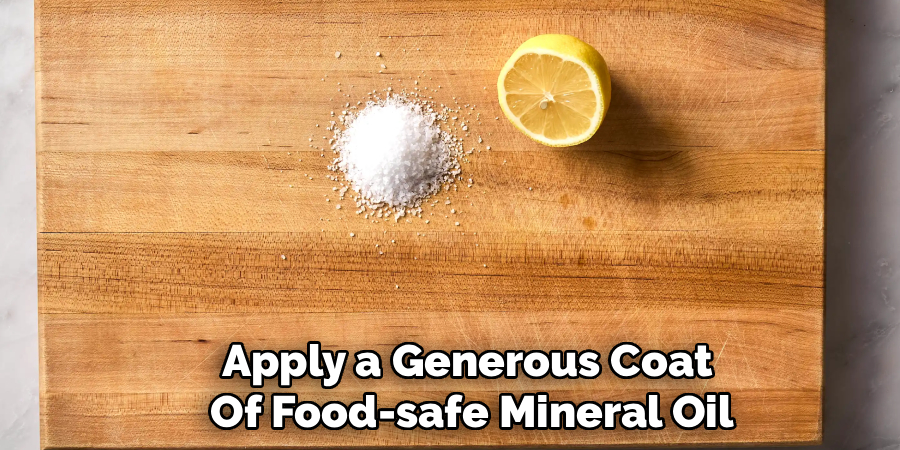
Applying a completely food-safe mineral oil after this sanitation method highly improves the ultimate longevity of your kitchen tools. The deep cleaning process naturally strips away beneficial surface oils along with the deeply trapped kitchen grime. Once the wood dries completely overnight, rubbing a thin layer of protective oil beautifully restores the essential moisture barrier. This critical step prevents contaminated water from soaking into the surface during your next cooking session and keeps the grain looking vibrant.
Does This Method Remove Deep Meat Juices And Bacteria?
This completely natural method works wonderfully for everyday fruits, vegetables, and fresh bread preparation surfaces. However, for items used specifically to prepare raw poultry or heavy meats, you must always exercise strict additional caution. You should wash raw meat surfaces thoroughly with very hot soapy water first to manually remove dangerous biological pathogens. The citrus and salt scrub acts as an excellent secondary sanitation step, naturally neutralizing odors and lifting remaining visual stains effectively.
Conclusion
Maintaining a hygienic and beautiful culinary workspace requires very little physical effort when you utilize pure, natural ingredients. The incredibly simple combination of coarse salt and fresh acidic citrus easily lifts stubborn colorful stains and banishes unpleasant food odors forever. Routine maintenance actively protects your expensive timber tools from drying out, cracking, or harboring dangerous kitchen bacteria over time. Now that you perfectly understand how to clean wooden cutting board with lemon, you can confidently preserve your favorite cooking essentials. Grab a fresh citrus fruit today, follow these incredibly easy steps, and enjoy a vibrant, sweet-smelling prep station for your next delicious family meal.

About
Mike May is a distinguished figure in the world of woodworking and timber design, with a decade of expertise creating innovative and sustainable indoor solutions. His professional focus lies in merging traditional craftsmanship with modern manufacturing techniques, fostering designs that are both practical and environmentally conscious. As the author of Woodimber, Mike delves into the art and science of timber-craft, inspiring artisans and industry professionals alike.
Education
RMIT University (Melbourne, Australia)
-
Associate Degree in Design (Timber): Focus on sustainable design, industry-driven projects, and practical craftsmanship.
-
Gained hands-on experience with traditional and digital manufacturing tools, such as CAD and CNC software.
Nottingham Trent University (United Kingdom)
-
Bachelor’s in Woodworking and Product Design (Honors): Specialized in product design with a focus on blending creativity with production techniques.
-
Participated in industry projects, working with companies like John Lewis and Vitsoe to gain real-world insights.
Publications and Impact
In Woodimber, May shares his insights on timber design processes, materials, and strategies for efficient production. His writing bridges the gap between artisan knowledge and modern industry needs, making it a must-read for both budding designers and seasoned professionals.