

Wooden spoons are a timeless staple in any kitchen, especially for home cooks and gardeners who appreciate natural materials. From stirring a pot of freshly harvested tomato sauce to mixing a batch of herbed bread dough, these utensils are gentle on cookware and feel wonderful in hand. However, their porous nature means they can absorb oils, stains, and odors over time. Simply tossing them in the dishwasher is not an option, as the harsh heat and detergents can cause them to crack and splinter. Learning how to clean wood spoons properly is essential for hygiene and will dramatically extend the life of your favorite tools, keeping them in beautiful condition for years of culinary creations.
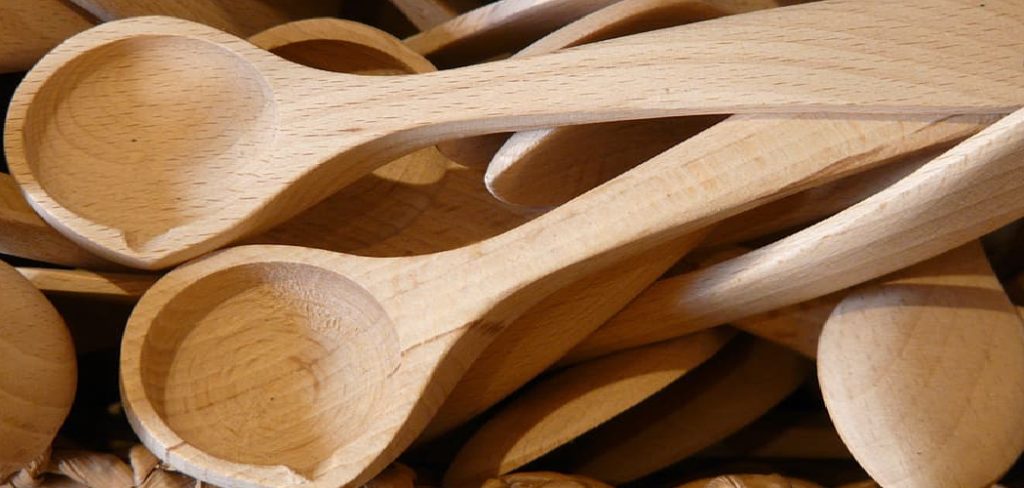
Wooden utensils are a staple in many kitchens, cherished for their durability, versatility, and aesthetic appeal. Whether stirring sauces, flipping pancakes, or mixing dough, these tools make cooking more enjoyable. However, maintaining their quality requires a bit of extra care to ensure they remain safe, sturdy, and free from damage over time. Proper cleaning methods can make all the difference.
Why Proper Cleaning Matters for Your Kitchen Tools
Your wooden spoons are workhorses in the kitchen, constantly in contact with a variety of ingredients. Because wood is a natural, porous material, it can harbor bacteria from raw meats or hold onto strong flavors from things like garlic and onions. Improper cleaning can lead to cross-contamination or unpleasant, lingering odors that transfer to your next dish. Furthermore, neglecting your wooden tools by soaking them or putting them in the dishwasher can cause the wood to swell, warp, and crack, rendering them useless. By dedicating a few moments to proper care, you ensure your spoons are sanitary, fresh, and structurally sound for every meal.
Step-by-Step Guide on How to Clean Wood Spoons
Step 1: Wash Immediately After Use
The most important habit to develop is washing your wooden utensils as soon as you are finished using them. Do not let them sit in a dirty pot or soak in a sink full of water. The longer they are exposed to food residues and moisture, the more likely they are to stain and absorb odors. As soon as you are done stirring, give the spoon a quick rinse under warm running water to remove the bulk of any sauce or batter. This simple, immediate action prevents food from drying and hardening onto the surface, which makes the subsequent cleaning steps significantly easier and more effective.
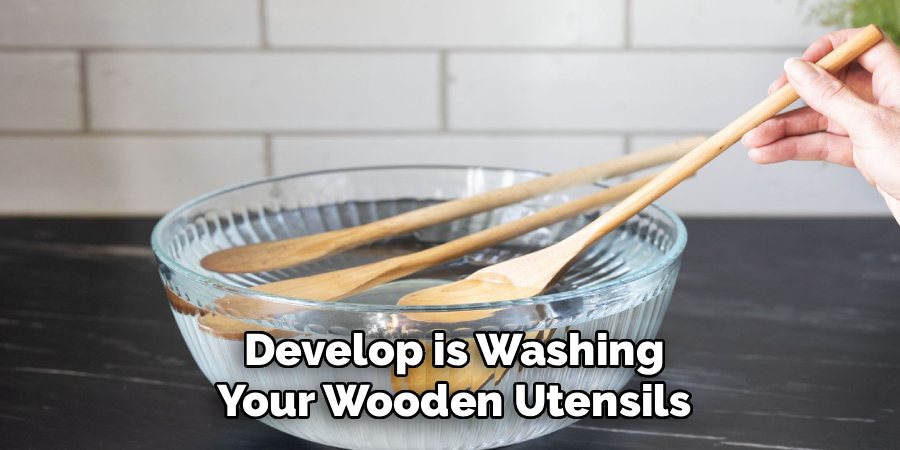
Step 2: Use Warm Water and Mild Soap
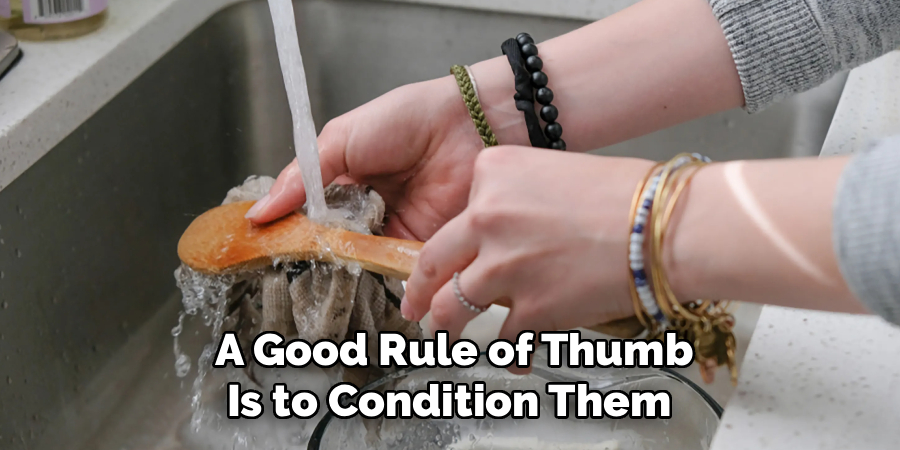
For daily cleaning, all you need is warm water and a small amount of mild dish soap. Hold the spoon under the running water and apply the soap, using your hands or a soft sponge to gently scrub the entire surface. Pay special attention to the head of the spoon where it made the most contact with food. Avoid using abrasive scouring pads or steel wool, as these can scratch and damage the wood’s surface, creating tiny crevices where bacteria can hide. A gentle lather and thorough rinse are all that is needed to remove surface oils and food particles from everyday use.
Step 3: Dry Thoroughly with a Towel
This is a critical step that should never be skipped. After rinsing away all the soap, immediately dry the wooden spoon thoroughly with a clean, absorbent dish towel. Leaving the spoon to air-dry in a dish rack allows moisture to sit on the surface for an extended period, which can cause the wood fibers to swell and may lead to cracking or warping over time. Pat it dry completely and then let it sit out on the counter for a few more minutes to ensure any residual dampness evaporates before you put it away in a drawer or utensil holder.
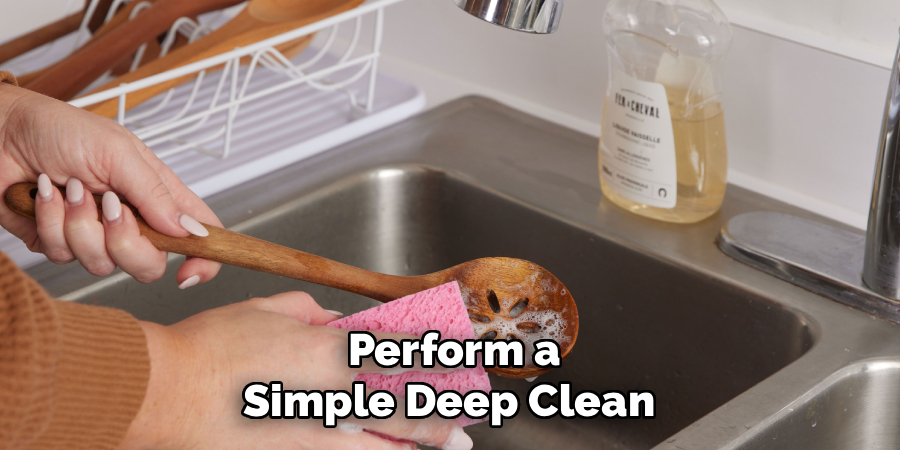
Step 4: Perform a Deep Clean for Stains
For stubborn stains, such as those from berries or tomato sauce, you can perform a simple deep clean using baking soda. Make a thick paste by mixing baking soda with a small amount of water. Apply this paste directly onto the stained area of the spoon and gently rub it in with your fingers or a soft cloth. Let the paste sit on the stain for about five to ten minutes, then rinse it off thoroughly with warm water. The mild abrasive quality of baking soda helps lift the stain from the wood fibers without being harsh enough to cause damage.
Step 5: Deodorize with Lemon or Vinegar
If your wooden spoon has absorbed strong odors from garlic, onions, or a spicy chili, a natural acid can work wonders to neutralize the smell. You can simply cut a lemon in half and rub the cut side all over the surface of the spoon, letting the juice sit for a few minutes before rinsing. Alternatively, you can create a solution of one part white vinegar to one part water and let the spoon soak in it for a few minutes. Both lemon and vinegar are excellent at breaking down the compounds that cause lingering odors. This is an essential technique in learning how to clean wood spoons effectively.
Step 6: Sanitize When Necessary
If you have used your wooden spoon with raw meat or are simply concerned about bacteria, you can give it a sanitizing treatment. While you should avoid harsh bleach, a soak in a diluted hydrogen peroxide solution is a safe and effective option. Use a standard 3% hydrogen peroxide solution and let the spoon sit in it for several minutes. The peroxide will bubble as it works to kill bacteria on the surface. After the soak, rinse the spoon thoroughly with water and dry it completely with a towel as you normally would.
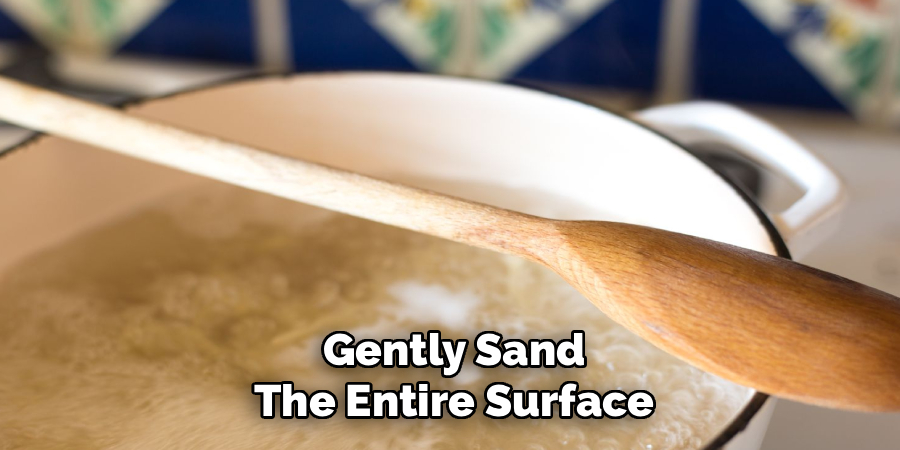
Step 7: Smooth Rough Surfaces with Sandpaper
Over time and with heavy use, the wood fibers on your spoon might start to feel a bit rough or fuzzy. You can easily restore a smooth finish with a piece of fine-grit sandpaper. Gently sand the entire surface of the spoon, moving in the direction of the wood grain. This will smooth down any raised fibers and restore the spoon’s pleasant texture. After sanding, wipe away all the dust with a clean, dry cloth. This simple maintenance step can make an old, well-loved spoon feel like new again and is a key part of how to clean wood spoons for longevity.
Step 8: Condition with Food-Grade Mineral Oil
The final step to keeping your wooden spoons in pristine condition is to regularly season them. Conditioning the wood prevents it from drying out and cracking while also creating a protective barrier against moisture and stains. Apply a generous amount of food-grade mineral oil or a specialized spoon butter to a clean, dry cloth. Rub the oil all over the surface of the spoon until it is fully coated. Let the spoon sit overnight to allow the oil to penetrate deep into the wood fibers, then wipe off any excess with a fresh cloth.
Frequently Asked Questions
Can I Put Wood Spoons in the Dishwasher?
No, you should never put wooden spoons in the dishwasher. The combination of prolonged exposure to high heat and harsh detergents is extremely damaging to the wood.
- The heat can cause the wood to warp, crack, and splinter.
- The detergent strips the wood of its natural oils, leaving it dry and brittle.
Always hand-wash your wooden utensils to preserve their integrity and ensure they last for many years.
How Often Should I Oil My Wood Spoons?
The frequency of oiling depends on how often you use your spoons. A good rule of thumb is to condition them whenever they start to look dry or feel rough to the touch.
- For heavily used spoons, this might be once a month.
- For less frequently used utensils, every few months may be sufficient.
Regular oiling is the best preventative maintenance you can do to keep your spoons from cracking.
What Is the Best Oil to Use for Conditioning?
The best and most recommended oil is food-grade mineral oil because it is inexpensive, readily available, and will not go rancid. You can also use specialized products often labeled as “spoon butter” or “board cream,” which are typically a blend of mineral oil and beeswax. Avoid using cooking oils like olive or vegetable oil, as they can spoil over time and make your spoons smell unpleasant.
My Spoon Has a Crack in It. Can I Still Use It?
It is best to stop using a wooden spoon that has developed a crack. Cracks are difficult to clean thoroughly and can become a breeding ground for bacteria. Additionally, a crack compromises the structural integrity of the spoon, and it could break completely during use, especially when stirring a thick stew or dough. It is safer to replace a cracked spoon.
How Do I Get Rid of a Sticky Residue on My Spoon?
A sticky or tacky feeling on a wooden spoon is often the result of using a cooking oil (like olive oil) to season it, which has since gone rancid. To remove it, you will need to scrub the spoon thoroughly with warm water and mild soap to strip off the sticky layer. You may need to scrub it a few times. Once the stickiness is gone, dry it completely and recondition it with food-grade mineral oil.
Conclusion
Caring for your wooden spoons is a simple and rewarding practice that connects you to the natural materials in your kitchen. By following a few basic principles—hand-washing promptly, drying thoroughly, and conditioning regularly—you can easily maintain these essential tools. Deep cleaning with baking soda for stains or lemon for odors ensures they are always fresh and ready for your next culinary adventure. Investing a small amount of time in their care prevents bacteria buildup and protects them from the damage that leads to cracking and warping.
Now that you have a comprehensive understanding of how to clean wood spoons, you are fully equipped to preserve their beauty and function for a lifetime. Pull out your favorite spoons, give them the care they deserve, and continue creating delicious meals with tools that are as beautiful as they are practical.

About
Mike May is a distinguished figure in the world of woodworking and timber design, with a decade of expertise creating innovative and sustainable indoor solutions. His professional focus lies in merging traditional craftsmanship with modern manufacturing techniques, fostering designs that are both practical and environmentally conscious. As the author of Woodimber, Mike delves into the art and science of timber-craft, inspiring artisans and industry professionals alike.
Education
RMIT University (Melbourne, Australia)
-
Associate Degree in Design (Timber): Focus on sustainable design, industry-driven projects, and practical craftsmanship.
-
Gained hands-on experience with traditional and digital manufacturing tools, such as CAD and CNC software.
Nottingham Trent University (United Kingdom)
-
Bachelor’s in Woodworking and Product Design (Honors): Specialized in product design with a focus on blending creativity with production techniques.
-
Participated in industry projects, working with companies like John Lewis and Vitsoe to gain real-world insights.
Publications and Impact
In Woodimber, May shares his insights on timber design processes, materials, and strategies for efficient production. His writing bridges the gap between artisan knowledge and modern industry needs, making it a must-read for both budding designers and seasoned professionals.