

There is something undeniably warm and sophisticated about using wood in a bathroom. It softens the hard lines of tile and ceramic, bringing a spa-like, organic feel to your daily routine. However, mixing wood with water—especially in a shower environment—sounds like a recipe for disaster to many homeowners. Wood is naturally porous; it absorbs moisture, swells, warps, and eventually rots if left unprotected.
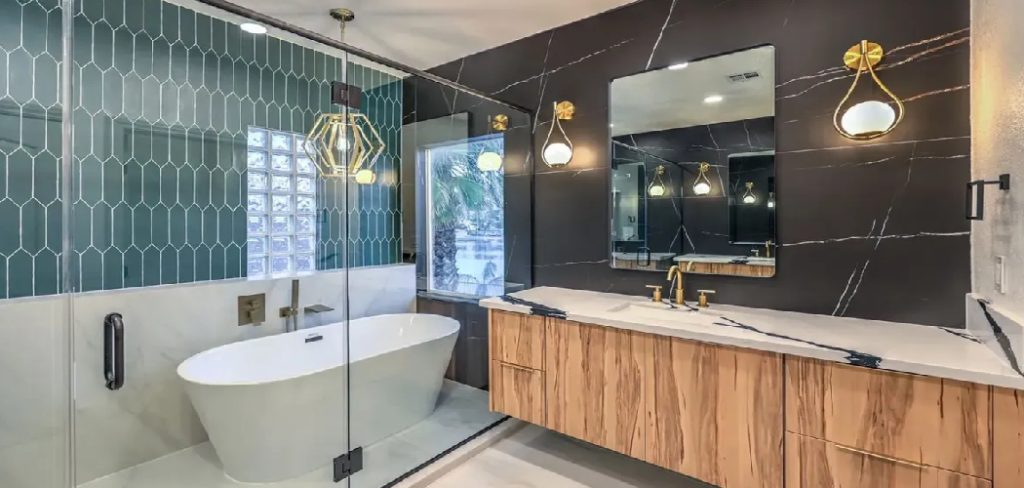
But here is the good news: you don’t have to abandon your vision of a timber-accented shower. With the right preparation, high-quality sealants, and careful application, you can make wood as resilient as tile.
This guide on how to waterproof wood for shower will walk you through the exact process of transforming vulnerable lumber into a durable, waterproof masterpiece that can withstand daily showers for years to come.
What Will You Need?
Before you begin, gather these essential tools and materials to ensure a smooth workflow.
Materials:
- High-quality marine-grade polyurethane, spar varnish, or epoxy resin (these are best for heavy water exposure).
- Wood stain (optional, if you want to change the color).
- Mineral spirits or paint thinner (for cleanup and thinning oil-based products).
- Sandpaper (assorted grits: 80, 120, 220).
- Tack cloths.
- Clean, lint-free rags.
Tools:
- Natural bristle brushes (for oil-based sealants) or synthetic brushes (for water-based sealants).
- Orbital sander (optional but recommended for large surfaces).
- Respirator mask (essential for ventilation safety).
- Safety goggles and gloves.
- Drop cloths to protect your workspace.
10 Easy Steps on How to Waterproof Wood for Shower
Achieving a professional-grade waterproof finish is all about patience and layering. Do not rush this process; the drying times are just as important as the application itself.
Step 1: Choose the Right Wood Species
Success starts before you even open a can of sealant. Not all woods are created equal when it comes to moisture resistance. Softwoods like pine are very porous and difficult to waterproof perfectly for a shower. Instead, opt for naturally oily, dense hardwoods such as Teak, Ipe (Brazilian Walnut), Cedar, or Mahogany. These species have natural defenses against rot and decay, giving your waterproofing efforts a massive head start. If you must use a softer wood, ensure it is pressure-treated or prepared to accept a very heavy epoxy coating.
Step 2: Thorough Sanding Preparation
Your sealant needs a smooth, clean surface to bond correctly. Begin by sanding every inch of the wood. Start with a coarse 80-grit sandpaper to remove any rough patches or previous finishes. Once the surface is uniform, switch to a medium 120-grit, and finally, finish with a fine 220-grit paper. This progressive sanding closes up large pores while leaving enough texture for the sealant to grip. Pay special attention to the end grains (the cut ends of the boards), as these act like straws and suck up moisture faster than any other part of the wood. They need to be sanded smooth to accept a heavy seal.
Step 3: Deep Cleaning the Surface
After sanding, the wood will be covered in fine dust. You cannot seal over this dust; doing so will create a gritty finish and weaken the waterproof barrier. Use a vacuum with a brush attachment to remove the bulk of the sawdust. Next, wipe the entire surface down with a tack cloth or a rag dampened with mineral spirits. This removes the microscopic dust particles that the vacuum missed. Allow the mineral spirits to evaporate completely before moving on. The wood must be bone dry before you apply any liquid product.
Step 4: Applying Stain (Optional)
If you love the natural color of your wood, skip this step. However, if you want to match a specific bathroom aesthetic, now is the time to stain. Apply an oil-based stain using a clean rag or brush, working with the grain. Wipe away excess stain after a few minutes to ensure an even coat. It is crucial to let the stain dry completely—often for 24 to 48 hours—before applying your clear waterproof topcoat. If moisture gets trapped under the sealer because the stain wasn’t dry, the finish will cloud and eventually peel.

Step 5: Sealing the End Grains
The cut ends of your wood boards are the Achilles’ heel of your project. They absorb water up to ten times faster than the face of the board. Before coating the rest of the wood, apply a liberal amount of your chosen sealant specifically to these ends. Dab it on until the wood stops absorbing it. This “saturation coat” creates a plug that stops water from traveling up the interior of the board. Neglecting this step is the number one reason for rot in wood shower floors or benches.
Step 6: The First Coat of Sealant
Now, apply the first full coat of your waterproofing agent (Marine Varnish, Polyurethane, or Tung Oil blend) to the entire piece. Use a high-quality brush and apply thin, even strokes following the direction of the wood grain. Do not overload the brush; thick coats take forever to dry and are prone to dripping or wrinkling. If you see bubbles forming, tip them off gently with the very edge of your brush. This first coat will likely soak in quite a bit, which is good—it is penetrating the fibers to build protection from the inside out.
Step 7: Sanding Between Coats
This is the secret to a glass-smooth, professional finish. Once the first coat is fully dry (check the manufacturer’s instructions, usually 6-24 hours), you will notice the surface feels slightly rough. This is “raised grain.” Lightly sand the surface by hand using 220-grit or higher sandpaper. You are not trying to remove the finish; you just want to scuff it up to smooth out imperfections and help the next coat adhere. Wipe away the white dust with a tack cloth immediately after sanding.

Step 8: Apply Subsequent Coats
Repeat the application process. For a shower environment, one or two coats are not enough. You need to build a substantial film thickness to repel hot water and steam daily. Aim for a minimum of three coats, though four or five is better for areas that will be submerged or under direct water flow (like a shower floor mat). Continue the “apply, dry, sand, clean” cycle for each layer. Each subsequent coat adds depth to the finish and reinforces the barrier against moisture intrusion.
Step 9: The Final Coat and Inspection
For your very final coat, do not sand afterward. You want this layer to remain pristine and glossy (or satin, depending on your product). Apply this coat in a dust-free environment if possible. Once applied, inspect the wood closely under a bright light. Look for any “holidays”—missed spots—or dry patches where the wood might have absorbed more finish. The surface should look wet and uniform. If you spot any gaps in the sheen, you may need one more coat to ensure total coverage.
Step 10: The Cure Time
This is the hardest step: waiting. Although the wood might feel dry to the touch in a few hours, it is not “cured.” Curing is the chemical process where the finish reaches its maximum hardness and water resistance. Using the shower too soon can cause the finish to turn white (blushing) or soften. Allow the wood to cure for at least 7 days in a dry, well-ventilated area before exposing it to any water. For heavy-duty marine varnishes, a full cure can sometimes take up to 30 days, but one week is usually sufficient for light use.

5 Things You Should Avoid
To ensure your hard work doesn’t go to waste, steer clear of these common pitfalls.
- Skipping the Backside: Never waterproof only the visible side of the wood. Moisture in a shower is airborne; humidity will attack the untreated back of the wood, causing warping and cupping. Seal every side equally.
- Using Standard Interior Polyurethane: Do not use regular furniture polish or standard interior polyurethane. It lacks the UV stabilizers and flexibility required to handle the temperature shifts and heavy water exposure of a shower.
- Shaking the Can: Never shake a can of varnish or polyurethane before use. Shaking introduces air bubbles into the liquid that end up on your wood surface. Instead, stir gently with a clean stick.
- Rushing Drying Times: Do not apply a new coat if the previous one is tacky. Trapping solvents underneath a new layer will result in a soft, sticky finish that never fully hardens and will peel quickly.
- Ignoring Maintenance: Don’t assume “waterproof” means “permanent.” Even the best marine varnish wears down. Inspect your wood every 6 months. If it looks dull or water stops beading up, add a fresh coat immediately.
Conclusion
How to waterproof wood for shower is an ambitious project, but one that yields stunning results.
By choosing the right timber, preparing it meticulously, and applying multiple layers of marine-grade protection, you bridge the gap between natural beauty and functional durability. Remember that water is persistent; your defense must be thorough.
Don’t skip steps, respect the drying times, and treat the maintenance as part of the ritual. With these guidelines, you can enjoy the warmth and elegance of wood in your bathroom sanctuary without the worry of water damage.

About
Mike May is a distinguished figure in the world of woodworking and timber design, with a decade of expertise creating innovative and sustainable indoor solutions. His professional focus lies in merging traditional craftsmanship with modern manufacturing techniques, fostering designs that are both practical and environmentally conscious. As the author of Woodimber, Mike delves into the art and science of timber-craft, inspiring artisans and industry professionals alike.
Education
RMIT University (Melbourne, Australia)
-
Associate Degree in Design (Timber): Focus on sustainable design, industry-driven projects, and practical craftsmanship.
-
Gained hands-on experience with traditional and digital manufacturing tools, such as CAD and CNC software.
Nottingham Trent University (United Kingdom)
-
Bachelor’s in Woodworking and Product Design (Honors): Specialized in product design with a focus on blending creativity with production techniques.
-
Participated in industry projects, working with companies like John Lewis and Vitsoe to gain real-world insights.
Publications and Impact
In Woodimber, May shares his insights on timber design processes, materials, and strategies for efficient production. His writing bridges the gap between artisan knowledge and modern industry needs, making it a must-read for both budding designers and seasoned professionals.