

Buying furniture is a significant investment, and knowing whether you’re getting genuine wood or a clever imitation can save you money and disappointment. Real wood furniture offers durability, timeless beauty, and a natural warmth that synthetic materials simply can’t match. Yet, with so many convincing alternatives on the market—from laminate to veneer—distinguishing authentic wood from impostors has become increasingly challenging.

Understanding how to identify real wood furniture empowers you to make informed purchasing decisions, whether you’re shopping at antique stores, online marketplaces, or high-end furniture retailers. This comprehensive guide on how to tell if furniture is real wood will walk you through practical methods to authenticate wood furniture, ensuring you get exactly what you’re paying for. By the end of this article, you’ll have the knowledge and confidence to spot real wood with ease.
Tools and Materials You’ll Need
To properly authenticate real wood furniture, you’ll need a few essential tools and materials. These include:
- A magnifying glass or jeweler’s loupe: This will help you examine the grain pattern, pores, and other details of the wood.
- Flashlight or bright light source: This can help reveal hidden imperfections or damage that may not be visible in regular lighting.
- Moisture meter: This tool measures the moisture content of wood, which is an important factor in determining its authenticity.
- Knowledge of different wood types: Familiarize yourself with the characteristics and appearance of different types of wood to better identify them.
It’s also important to have a clean and well-lit workspace when examining and working with wood. This will help you spot any imperfections or characteristics more easily and accurately.
7 Simple Step-By-Step Guidelines on How to Tell if Furniture Is Real Wood
Step 1: Examine the Grain Pattern
Real wood displays a unique, irregular grain pattern that flows naturally across the surface. No two pieces of genuine wood will have identical grain patterns, as each tree grows differently based on environmental conditions. Look closely at the furniture’s surface and observe whether the grain continues seamlessly from one section to another.
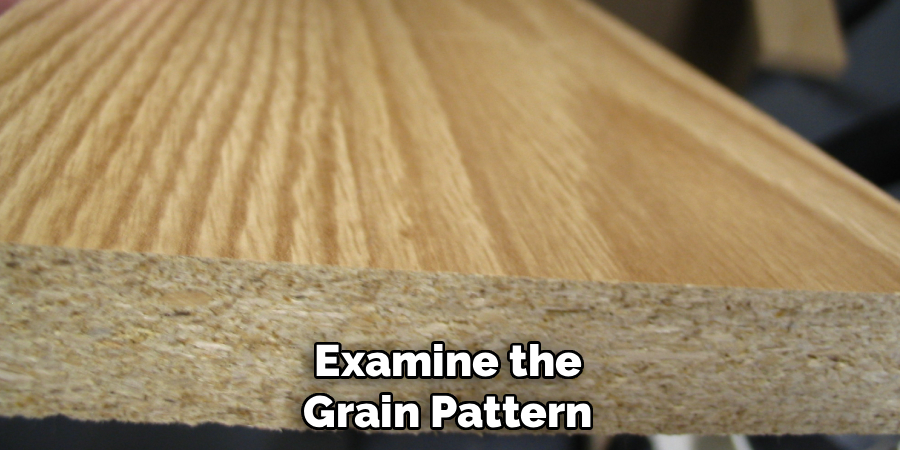
If you notice that the grain pattern repeats in a uniform, predictable way, you’re likely looking at a printed laminate or vinyl covering designed to mimic wood. Authentic wood grain will show variations in color, thickness of lines, and direction. Pay special attention to curved or rounded edges—real wood grain should wrap around these contours naturally, while fake wood often shows distortion or misalignment at these transition points.
Step 2: Check the Underside and Back Panels
One of the most reliable methods for identifying real wood is examining the areas manufacturers assume you won’t inspect closely. Flip the furniture over or look at the back panels, drawer bottoms, and interior surfaces. Real wood furniture will typically show the same material throughout, though these hidden areas might be unfinished or less refined.
If the visible surfaces appear to be wood but the underside reveals particleboard, MDF, or a completely different material, you’re dealing with veneer furniture. While veneer isn’t necessarily of bad quality, it’s important to know what you’re purchasing. Genuine solid wood pieces will display consistent material composition from top to bottom, with the same grain patterns and color variations throughout all surfaces.
Step 3: Perform the Tap Test
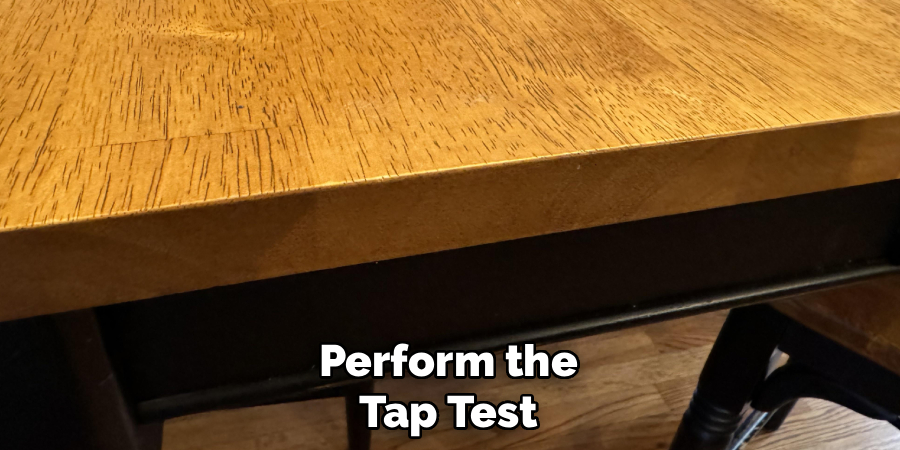
Wood produces a distinctive sound when tapped, and this acoustic test can quickly reveal the furniture’s true nature. Using your knuckle, tap firmly on different areas of the furniture surface. Real wood will produce a deep, resonant sound that feels almost musical. The tone should be rich and full-bodied.
In contrast, laminate or particleboard produces a dull, hollow sound that lacks depth and resonance. Veneer over particleboard will create a sound somewhere in between—not quite as hollow as pure particleboard, but noticeably different from solid wood. Test multiple areas of the piece, including doors, drawer fronts, and side panels, as some furniture combines real wood frames with engineered wood panels.
Step 4: Look for Natural Imperfections
Authentic wood is a natural material with inherent imperfections that add to its character and beauty. Examine the surface for small knots, mineral streaks, slight color variations, and subtle texture changes. These imperfections should appear random and organic, not manufactured or perfectly placed.
Synthetic materials and printed laminates often try to replicate these imperfections, but they typically look too perfect or repeat at regular intervals. Real wood knots will have depth and dimension, showing the actual structure of the wood fiber. Additionally, if you run your hand across the surface, genuine wood often has a subtle texture that corresponds with the grain pattern, while laminates feel uniformly smooth regardless of the printed design.
Step 5: Inspect the Edges and Joints
The edges of furniture pieces reveal crucial information about their construction. On real wood furniture, you should be able to see the end grain—the pattern visible when wood is cut perpendicular to its growth rings. This end grain appears as a series of lines, dots, or irregular patterns that differ from the face grain.
Examine corners, joints, and any exposed edges carefully. If you see a thin layer applied over a different core material, you’re looking at veneer. Real wood edges will show continuous material throughout, with no seams or layering. Pay attention to how pieces are joined together—high-quality solid wood furniture often uses traditional joinery methods like dovetail or mortise-and-tenon joints, which are visible and demonstrate craftsmanship.
Step 6: Test the Weight
Solid wood furniture has substantial weight due to its density. When you lift or attempt to move a real wood piece, you should immediately notice its heft. Different wood species vary in weight—oak and walnut are quite heavy, while pine is lighter—but all solid wood furniture will feel considerably heavier than particle board or hollow-core alternatives.
If a large dresser or table feels surprisingly light, it’s likely constructed from engineered wood products rather than solid lumber. This weight test is particularly useful when shopping for dining tables, bed frames, and case goods. However, remember that some high-quality furniture uses a combination approach, with solid wood frames and veneer panels, which can create moderate weight that falls between engineered and solid wood pieces.
Step 7: Observe How Light Reflects
Natural wood interacts with light in a distinctive way that synthetic materials struggle to replicate. Position the furniture near a window or under a light source and observe how the surface reflects light. Real wood will show subtle variations in sheen and color as the light hits different grain patterns and growth rings.
The reflection should appear organic and somewhat inconsistent, with certain areas catching more light than others based on the grain’s direction. Laminate and vinyl surfaces tend to reflect light more uniformly, creating an artificial-looking sheen that appears flat or plasticky. Move around the piece and watch how the appearance changes from different angles—genuine wood reveals new details and nuances with each perspective, while manufactured surfaces look more static.
Following these steps on how to tell if furniture is real wood can not only help you identify the quality of a piece, but also guide your purchasing decisions. Real wood furniture is often more durable and long-lasting compared to manufactured surfaces, making it a worthwhile investment for your home.

Common Mistakes to Avoid
When authenticating wood furniture, avoid making snap judgments based on a single test. Many people assume that if furniture looks like wood, it must be wood, but modern manufacturing techniques create incredibly convincing replicas. Don’t rely solely on appearance—always combine visual inspection with physical tests like tapping and checking hidden surfaces.
Another common mistake is confusing veneer with solid wood; remember that veneer is real wood, just applied as a thin layer over a different core material. Also, don’t assume that expensive price tags guarantee solid wood construction—always verify the materials regardless of cost. Finally, avoid conducting tests that could damage the furniture, especially if you haven’t purchased it yet. Stick to non-invasive methods that respect the piece while providing accurate information.
Do You Need to Get Professional Help?
For most furniture purchases, the techniques outlined in this guide will provide sufficient information to make confident decisions. However, certain situations warrant professional assessment. If you’re considering a significant investment in antique furniture, consulting an appraiser or antique specialist can verify authenticity and provide documentation of value. Professional furniture restorers have extensive experience identifying wood species and construction methods, making them excellent resources when you’re uncertain.
Additionally, if you’re purchasing furniture for commercial purposes or need to verify claims for insurance or legal reasons, professional authentication provides credible documentation. Interior designers and furniture makers can also offer expert opinions, particularly when dealing with rare wood species or historical pieces. While hiring a professional involves additional cost, the peace of mind and expertise they provide can be invaluable when making substantial furniture investments. For everyday purchases, trust your own assessment using the methods described above.
Frequently Asked Questions
Q: Can Furniture Be Part Real Wood and Part Fake?
A: Yes, this combination is extremely common in modern furniture manufacturing. Many pieces feature solid wood frames with veneer panels, engineered wood drawer boxes, or particleboard backing. This hybrid approach allows manufacturers to offer furniture at various price points while maintaining certain aesthetic qualities.
The key is understanding exactly which components are solid wood and which are alternatives. High-quality furniture makers will clearly disclose their construction methods, specifying “solid wood frame with veneer panels” or similar descriptions. This mixed construction isn’t necessarily inferior—it can provide excellent value and durability when done properly. The important factor is knowing what you’re purchasing and ensuring the price reflects the actual materials used rather than assuming the entire piece is solid wood.
Q: Does Real Wood Furniture Always Cost More Than Alternatives?
A: While genuine solid wood furniture typically commands higher prices than particle board or laminate alternatives, the cost relationship isn’t always straightforward. Some exotic hardwoods and specialty pieces can be extremely expensive, but common woods like pine or poplar may cost less than high-quality veneer furniture with engineered cores.

Additionally, the furniture’s origin, craftsmanship, brand reputation, and design complexity all influence pricing beyond just material composition. You might find affordable solid wood pieces at estate sales, auctions, or direct-from-manufacturer outlets. Conversely, designer furniture with premium veneers and sophisticated construction can exceed the cost of mid-range solid wood alternatives. Always evaluate furniture based on overall quality, construction methods, and intended use rather than assuming price directly correlates with material authenticity.
Conclusion
Identifying real wood furniture doesn’t require expert knowledge or expensive equipment—just careful observation and a systematic approach. By examining grain patterns, checking hidden surfaces, performing simple tap tests, and looking for natural imperfections, you’ll quickly develop confidence in distinguishing genuine wood from convincing alternatives. Remember that the goal isn’t to dismiss all non-solid-wood furniture, but rather to make informed decisions that align with your budget, needs, and expectations.
Armed with these techniques, you’re ready to shop for furniture with confidence. Whether you’re furnishing your first apartment, upgrading your home office, or investing in heirloom-quality pieces, knowing how to authenticate wood ensures you get exactly what you pay for. Start practicing these methods on furniture you already own, then apply your newfound expertise during your next shopping trip. The beauty and durability of genuine wood furniture make it worth the effort to identify, and you’ll appreciate your investment for years to come. Thanks for reading this guide on how to tell if furniture is real wood.

About
Mike May is a distinguished figure in the world of woodworking and timber design, with a decade of expertise creating innovative and sustainable indoor solutions. His professional focus lies in merging traditional craftsmanship with modern manufacturing techniques, fostering designs that are both practical and environmentally conscious. As the author of Woodimber, Mike delves into the art and science of timber-craft, inspiring artisans and industry professionals alike.
Education
RMIT University (Melbourne, Australia)
-
Associate Degree in Design (Timber): Focus on sustainable design, industry-driven projects, and practical craftsmanship.
-
Gained hands-on experience with traditional and digital manufacturing tools, such as CAD and CNC software.
Nottingham Trent University (United Kingdom)
-
Bachelor’s in Woodworking and Product Design (Honors): Specialized in product design with a focus on blending creativity with production techniques.
-
Participated in industry projects, working with companies like John Lewis and Vitsoe to gain real-world insights.
Publications and Impact
In Woodimber, May shares his insights on timber design processes, materials, and strategies for efficient production. His writing bridges the gap between artisan knowledge and modern industry needs, making it a must-read for both budding designers and seasoned professionals.