

Transforming a plain drywall ceiling into a stunning focal point is easier than you might think. Wood planks add instant warmth, texture, and architectural interest to any room, whether you are aiming for a rustic farmhouse vibe or a sleek, modern coastal look. While the idea of working overhead can feel intimidating, this project is actually very beginner-friendly and forgiving. You don’t need advanced carpentry skills or expensive heavy machinery to achieve professional results.

Learning how to install ceiling wood planks is a fantastic way to hide imperfections in an old ceiling, cover up outdated popcorn textures, or simply elevate the style of your home without a major renovation price tag. With lightweight tongue-and-groove boards or shiplap, the process is straightforward and satisfying. This guide will walk you through everything you need to know, from prepping your space to nailing the final board in place. By the end of this project, you will have a custom feature ceiling that completely changes the atmosphere of your room.
Why Wood Planks Are the Ultimate Ceiling Upgrade
Most homeowners ignore their “fifth wall,” leaving it painted a standard flat white. However, a wood plank ceiling draws the eye upward, making a room feel taller and more spacious. It introduces natural elements that soften the hard lines of a room and improve acoustics by dampening sound.
Unlike heavy timber beams which require structural support, modern wood planks are often thin and lightweight, designed specifically for easy installation. They come in a variety of finishes—from raw pine ready for staining to pre-finished white shiplap—giving you endless design flexibility. This upgrade also offers a high return on investment. It adds a custom, high-end feel that potential buyers love, all for the cost of some lumber and a weekend of work. It is a durable, long-lasting improvement that won’t peel or fade like wallpaper might.
Step-by-Step Guide on How to Install Ceiling Wood Planks
Step 1: Measure and Acclimate Your Materials
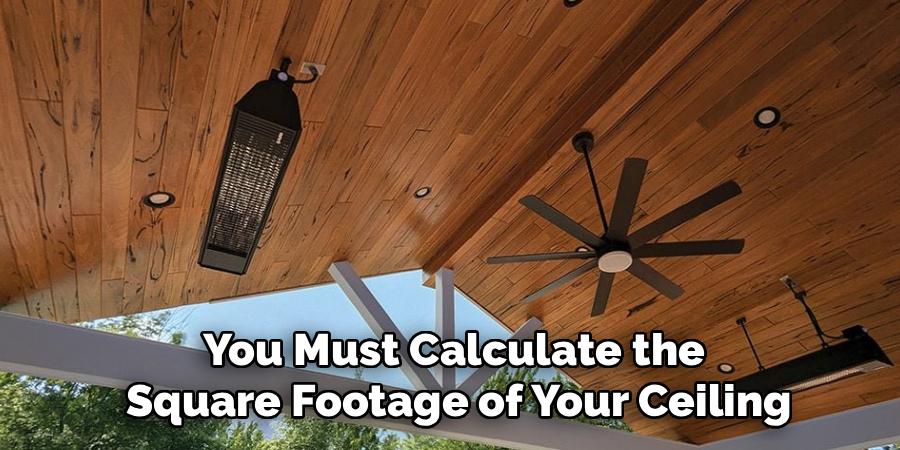
Before you even pick up a hammer, you must calculate the square footage of your ceiling by multiplying the length by the width. Purchase about ten to fifteen percent extra material to account for waste, cuts, and any mistakes you might make along the way. Once you bring the wood home, unbox it and stack it in the room where it will be installed. Let the wood sit for at least three days to acclimate to the room’s humidity and temperature. This crucial waiting period prevents the wood from shrinking or expanding after installation, which could lead to unsightly gaps or warping later on.
Step 2: Locate and Mark Ceiling Joists
You cannot simply nail planks into drywall; they will eventually pull out and fall. You need a solid anchor point. Use a stud finder to locate the ceiling joists, which typically run perpendicular to the direction you want your planks to go. Mark the center of each joist with a pencil or a chalk line across the entire length of the room. If you are covering a textured ceiling like popcorn, you do not need to scrape it off first, provided the texture is stable. Knowing where your structural support lies is the foundation of a safe installation and is vital when learning how to install ceiling wood planks securely.
Step 3: Prepare the Perimeter and Obstacles
Remove any existing crown molding or trim around the edges of the room carefully if you plan to reuse it. Next, turn off the power at the breaker box and remove any light fixtures, ceiling fans, or smoke detectors. You will need to extend the electrical boxes slightly so they sit flush with the new depth of the wood planks; box extenders are cheap and easy to install for this purpose. If your ceiling is uneven or if the joists run parallel to your planks, you may need to install wooden furring strips perpendicular to the joists first to create a level nailing surface for your new planks.
Step 4: Install the First Row Straight
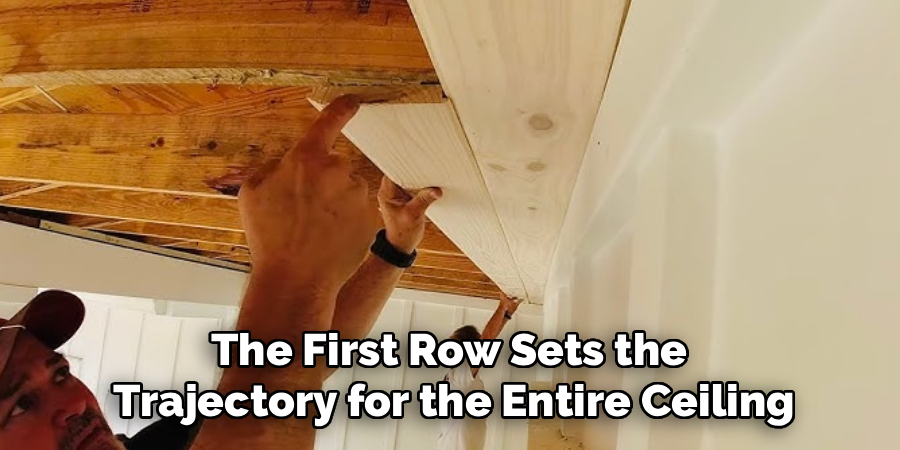
The first row sets the trajectory for the entire ceiling, so it must be perfectly straight. Do not rely on the wall being straight, as most rooms are rarely perfectly square. Measure out from the wall the width of your plank minus a quarter-inch for an expansion gap. Snap a chalk line to guide your first row. Install the first plank with the tongue side facing away from the wall, using a pneumatic brad nailer to shoot nails through the face of the board into the marked joists. Use construction adhesive on the back of the board for extra hold. This establishes your baseline for the project.
Step 5: Continue Installing Subsequent Rows
Once the first row is secured, the process speeds up significantly. Slide the groove of the next board onto the tongue of the previous one. You may need to use a rubber mallet and a tapping block to ensure a snug fit without damaging the wood edges. Nail this board into the joist through the tongue at a forty-five-degree angle; this is called “blind nailing” and hides the nail head so you have fewer holes to fill later. Stagger your seams so they don’t line up row after row. A random pattern looks more natural and professional, enhancing the visual appeal of your new ceiling.
Step 6: Managing Cuts Around Fixtures
Eventually, you will encounter the electrical boxes for your lights or vents. Measure the distance from the last installed plank to the center of the electrical box carefully. Transfer these measurements to the plank you are about to install. Use a jigsaw to cut out the opening for the box. It doesn’t have to be cosmetically perfect because the canopy of your light fixture or the cover of your vent will hide the rough edges. Dry fit the board to ensure the hole aligns correctly before applying adhesive and nailing it up. This precision ensures your fixtures reinstall smoothly without large gaps showing.
Step 7: Finishing the Final Row
The last row is often the trickiest part of understanding how to install ceiling wood planks because you likely won’t have room to fit a full board. Measure the remaining gap between the last installed plank and the wall at several points, as the wall may bow. Rip cut the final planks to the necessary width using a table saw or circular saw. You may need to use a pry bar to wedge these final pieces into place tightly. Face nail these boards close to the wall edge where the trim will cover the holes. Ensuring a tight fit here seals the look.

Step 8: Install Trim and Touch Up
With all the planks installed, you will have a small expansion gap visible around the perimeter of the room. Cover this gap by installing new crown molding, quarter-round, or simple flat trim. This frames the ceiling beautifully and hides those cut edges. Once the trim is up, use wood filler to patch any visible face nail holes, especially on the first and last rows. Sand the filler smooth once dry. If you used pre-finished wood, you simply need to touch up the paint. If you used raw wood, now is the time to apply your stain or paint to complete the transformation.
Frequently Asked Questions
Do I Need to Remove Popcorn Ceiling Before Installing Planks?
Generally, no, you do not need to remove the popcorn texture first.
- Direct Installation: If the popcorn is stable and not crumbling, you can install the planks directly over it. The wood planks are rigid enough to span the small bumps.
- Furring Strips: For very heavy or uneven texture, installing furring strips (thin wood slats) perpendicular to the joists first provides a flat, level surface for the planks and ensures a cleaner installation.
Can I Use Glue Instead of Nails?
You should not rely on glue alone for a ceiling installation.

- Gravity: Gravity is working against you. Adhesive takes time to cure, and planks can slip or fall without mechanical fasteners.
- Hybrid Approach: The best method is a combination of construction adhesive (like Liquid Nails) and nails. The glue prevents sagging and rattling over time, while the nails hold the wood securely in place while the glue dries.
How Do I Handle Lighting Fixtures?
You will need to adjust your electrical boxes to accommodate the added thickness of the wood.
- Box Extenders: Purchase electrical box extenders from a hardware store. These cheap plastic rings telescope out to bring the edge of the box flush with your new wood ceiling.
- Safety: Always turn off the power at the breaker before touching any wiring.
- Canopy: Ensure your light fixture’s canopy (the decorative cover) is wide enough to cover the hole you cut in the wood.
What Type of Wood Should I Use?
The best wood depends on your budget and desired look.
- Pine Tongue-and-Groove: Affordable, easy to find, and takes stain well. It creates a classic, knotty look.
- MDF Shiplap: Pre-primed and very smooth, perfect for a painted, modern farmhouse look. It is stable but cannot be stained.
- Cedar: Excellent for bathrooms or porches due to its natural rot resistance, though it is more expensive.
Which Direction Should the Planks Run?
There are two main factors to consider when deciding direction.
- Structural: Ideally, planks should run perpendicular to the ceiling joists so you can nail into solid wood every 16 or 24 inches.
- Aesthetic: If you want to run them parallel to the joists for visual reasons (e.g., to make a narrow room look wider), you must install furring strips first to provide a nailing surface.
Conclusion
Installing a wood plank ceiling is one of those rare DIY projects that looks incredibly expensive but is surprisingly attainable for the average homeowner. It completely changes the character of a room, adding layers of texture and warmth that paint simply can’t compete with. While working overhead presents a unique physical challenge, the process of measuring, cutting, and nailing is straightforward and rhythmic.
By taking the time to locate your joists properly and staggering your seams, you ensure a safe, professional-grade installation that will stand the test of time. Whether you choose a whitewashed coastal vibe or a moody, dark-stained den, the result is a custom feature that adds significant value to your home. Now that you know how to install ceiling wood planks, you are ready to look up and reimagine the potential of your fifth wall.

About
Mike May is a distinguished figure in the world of woodworking and timber design, with a decade of expertise creating innovative and sustainable indoor solutions. His professional focus lies in merging traditional craftsmanship with modern manufacturing techniques, fostering designs that are both practical and environmentally conscious. As the author of Woodimber, Mike delves into the art and science of timber-craft, inspiring artisans and industry professionals alike.
Education
RMIT University (Melbourne, Australia)
-
Associate Degree in Design (Timber): Focus on sustainable design, industry-driven projects, and practical craftsmanship.
-
Gained hands-on experience with traditional and digital manufacturing tools, such as CAD and CNC software.
Nottingham Trent University (United Kingdom)
-
Bachelor’s in Woodworking and Product Design (Honors): Specialized in product design with a focus on blending creativity with production techniques.
-
Participated in industry projects, working with companies like John Lewis and Vitsoe to gain real-world insights.
Publications and Impact
In Woodimber, May shares his insights on timber design processes, materials, and strategies for efficient production. His writing bridges the gap between artisan knowledge and modern industry needs, making it a must-read for both budding designers and seasoned professionals.