
The dining table sits in the heart of any home. It hosts childhood birthday cakes, quick breakfasts, quiet evenings, and sometimes that messy arts-and-crafts project that got wildly out of hand. With so many stories happening on its surface, it’s hardly surprising it calls for a bit of safeguarding—a scrape here, a water ring there, and suddenly, that once-rich wood gleam starts looking pretty battered.

There’s no secret weapon—just a set of habits and a few careful choices that, taken together, mean you won’t cringe every time someone clatters their mug down. The aim here isn’t perfection, but an honest attempt to keep your table’s character for years to come. Here’s a closer look—warts and all—at practical ways to help your table survive the chaos of real family life. In this guide on how to protect dining room table, we will cover different methods and strategies to keep your dining room table looking its best for years to come.
Gather Your (Actual) Supplies
Before launching into protection mode, pause to survey what you’ve already got lurking in drawers or storage bins. Sometimes, people rush out to buy what they think they need, only to later find a bundle of unused pads or oddly shaped coasters at the back of a closet.
Checklist (in practice):
- Table pads made to fit—skip the “almost” or “close enough” ones
- Tablecloths, ideally cotton or linen (old bedsheets, pressed and hemmed, also work in a pinch)
- Trivets or silicone mats for anything hot—a seasoned chef may suggest a pot stand, too
- Felt pads for centerpieces or that stubborn salt shaker set
- Coasters with some give or a gentle texture underneath
- A couple of microfiber cloths, well-washed, no fabric softener residue
- Mild wood polish or glass cleaner—nothing harsh, keep it gentle
7 Strategies on How to Protect Dining Room Table
Step 1: The Custom Table Pad (Please Measure Twice)
Let’s get honest: most so-called “universal” table protectors shift around like loose socks and look about as elegant. A pad cut to your table’s precise size may seem excessive to some, but it handles everything from misplaced forks to surprise tumbles of soup. Felt on the underside helps prevent any ugly scuffs, and a liquid-blocking top layer buys time when someone inevitably knocks over their juice.
In many ways, this pad becomes invisible—slipped discreetly under a tablecloth or runner—yet quietly repels all sorts of damage. If you end up hosting, there’s relief in knowing guests can pass serving bowls freely without you eyeing every movement.

Step 2: Rethink Tablecloths and Runners
Not all linens are created equal. The touch of heavy cotton or well-worn linen not only feels comfortable but forgives a lot—fork scratches, streaky condensation, or bits of toast gone astray. Synthetics, though common, can trap a frustrating amount of moisture if you’re not careful.
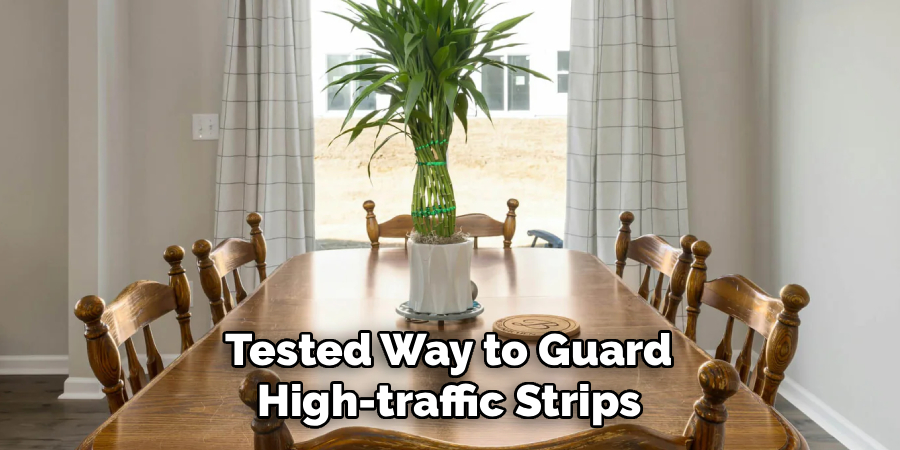
Some households keep a rotation: one faded floral for everyday, something crisp and white for a special meal, and a runner for the holidays. Regardless, make it a routine to launder them properly and, just as important, let them dry completely before letting them touch wood. Damp cloth plus sealed finish spells trouble—blushing, clouding, or even peeling. And for those who enjoy layering, a runner plus cloth isn’t about taste alone; it’s a time-tested way to guard high-traffic strips of your table.
Step 3: Coasters—Not Just For Guests
Mention “coasters,” and most people picture a pile ignored in the corner. Yet once you see a pale ring on dark walnut, you begin nudging everyone to use one—no exceptions, no matter the drink. A coaster set with felt or cork at the base offers real insurance against marks left by icy lemonade or steaming mugs. There’s value in leaving them liberally around rather than tucked far away; if in reach, people actually use them.
Given how stubborn watermarks can be, especially when they sit unnoticed for a few hours, it makes sense to treat coasters as standard equipment. Stylish sets or those with an odd story (a gift from a favorite aunt, maybe?) tend to stay on the table longer and get used—a minor psychological edge.
Step 4: Deploy Trivets Before Trouble Starts
Nobody means to damage a table by setting down that bubbling casserole fresh from the oven. Still, one slip is all it takes for heat to leave an indelible print. Trivets—whether cork, silicone, or cast iron—create needed defense. Some kitchens hang them on a hook, others keep a pile at the ready in a sideboard drawer. Pick what fits your routine, but don’t forget larger meals might call for more than one.

For those who go all out with family feasts, a table-length heat-resistant runner isn’t overkill. It’s functional, and as a bonus, it helps set the mood. Explaining the “why” to household members (particularly restless kids) can make a difference—they’re far more cautious once they know scorch marks don’t buff out easily.
Step 5: Felt Pads—A Small Fix With Outsized Results
Vases and centerpieces are decorative, true, but drag one a single inch and the gouge left behind is anything but charming. A roll of self-adhesive felt pads lasts for years and takes about ninety seconds to use. Dot them on the bottom of every heavy or rough-edged item that sits on your table.
Here’s where a little vigilance isn’t wasted effort: these pads come loose, collect crumbs, and can even compress flat over time, especially with heavier objects. Replace them before they go missing entirely—that little pop of new felt can save you from unexpected frustration.
Step 6: Clean Like You Mean It—But Stay Gentle
Wiping down after each meal: sounds tedious, but ends up being the difference between a table that ages gracefully and one that loses its sheen. Skip harsh sprays; a well-wrung microfiber cloth handles crumbs and a light haze. Once in a while, a spot of dish soap (diluted, please) does the trick, but if you want to go full maintenance mode, a dab of wax every now and then keeps things smooth.
There’s a temptation to scrub at stubborn marks—avoid reaching for rough sponges or anything promising an “instant clean.” Patience pays; finishing with a soft, dry cloth prevents streaks or lingering moisture. Most real damage begins as invisible grit that scratches with every plate set down.
Step 7: Climate and Sun—Your Table’s Twin Foes
Rarely do people consider sunlight and dry air as the silent culprits behind a tired table. Direct UV rays, day after day, will gradually bleach wood, unleashing faint lines or sudden irregular fading. Shifting the table slightly out of a bright window’s path, or at least pulling the curtains when the sun’s at its most intense, can stave off the problem.
Fluctuating humidity or erratic heating wreaks its own brand of havoc. Wood expands, contracts, then cracks—sometimes right at a seam. If the air feels dry to your skin, it’s likely doing worse to your throat. A basic humidifier, or simply keeping the table away from radiators and vents, improves longevity far more than you might expect.

Following these steps on how to protect dining room table can ensure that your investment lasts for years to come. Additionally, regular cleaning and maintenance can also prolong the lifespan of your dining room table.
A Few Mishaps To Sidestep
Some mistakes are nearly universal. Clear plastic covers seem harmless until trapped moisture leaves the finish a dull gray; sliding grocery bags or computer gear across the bare wood will guarantee faint lines, even in one go.
Glass spray products loaded with silicone should be looked at with caution. The residue isn’t just annoying—removing it may prove nearly impossible, and the original shine is often gone for good.
Answers to Those Recurring Table Questions
1. Can Glass Protect My Wooden Table?
Yes—custom glass can offer excellent day-to-day defense, especially for tables with a sentimental finish you want to keep visible. Just be sure to pop a few clear bumpers underneath for airflow. If not, the glass may stick when humidity spikes, risking a mess when you eventually try to lift it.
2. What If I Notice Scratches?
For those nagging hairline scratches, a furniture marker or wax stick—ideally matched to your table’s stain—can often camouflage the mark. Fill the line, wipe away any excess, polish gently, and most eyes will never notice.
3. How Do I Banish a Heat Ring?
If you spot a pale, cloudy ring where a hot plate once sat, breathe. Try gently rubbing a mix of regular toothpaste and baking soda over the spot with a soft cloth. Wipe clean and dry thoroughly. The moisture may lift, though results can vary—the trick is acting promptly before the stain sets.
Conclusion
Taking a little extra care with your dining table isn’t about fussiness; it’s a way of anchoring the people and moments that gather around it. Whether you’re wrestling with sticky jam, spilled wine, or daily scuffs, these small practices add up.
Most of the damage comes quietly and slowly, rarely all at once. Start with one or two strategies and build up from there—over time, you’ll notice the difference. Thanks for reading this guide on how to protect dining room table.

About
Mike May is a distinguished figure in the world of woodworking and timber design, with a decade of expertise creating innovative and sustainable indoor solutions. His professional focus lies in merging traditional craftsmanship with modern manufacturing techniques, fostering designs that are both practical and environmentally conscious. As the author of Woodimber, Mike delves into the art and science of timber-craft, inspiring artisans and industry professionals alike.
Education
RMIT University (Melbourne, Australia)
-
Associate Degree in Design (Timber): Focus on sustainable design, industry-driven projects, and practical craftsmanship.
-
Gained hands-on experience with traditional and digital manufacturing tools, such as CAD and CNC software.
Nottingham Trent University (United Kingdom)
-
Bachelor’s in Woodworking and Product Design (Honors): Specialized in product design with a focus on blending creativity with production techniques.
-
Participated in industry projects, working with companies like John Lewis and Vitsoe to gain real-world insights.
Publications and Impact
In Woodimber, May shares his insights on timber design processes, materials, and strategies for efficient production. His writing bridges the gap between artisan knowledge and modern industry needs, making it a must-read for both budding designers and seasoned professionals.