

Bringing natural toys into your home is a wonderful choice for your child’s development, offering a beautiful, tactile experience that plastic simply cannot match. Parents love building sets made from natural timber because they inspire open-ended play and creativity while remaining incredibly durable.
As your little one builds towering structures and inevitably knocks them down, these beloved items will spend plenty of time on the floor, in the yard, and eventually in their mouth. Because toddlers love to taste test everything they hold, keeping these playthings perfectly clean becomes an absolute priority for your family. Understanding exactly how to sanitize wooden blocks ensures your child stays healthy while preserving the structural integrity of the natural materials. Unlike synthetic toys, natural timber requires a very specific approach to hygiene to prevent warping, splitting, or mold growth. In this comprehensive guide, we will walk you through the safest and most effective methods to maintain a spotless play environment for your little builder.
Why Maintaining Clean Wooden Toys Matters
Investing in natural timber playthings brings immense benefits to your child’s sensory development and environmental awareness. Wood provides a naturally warm, textured surface that helps children refine their motor skills while offering a safer alternative to toys laden with artificial dyes and harmful plastics. Furthermore, many types of natural timber possess inherent antibacterial properties, making them naturally resistant to certain types of everyday germs. However, this natural resistance does not mean they are entirely maintenance-free or immune to heavy contamination from daily toddler activities.
Because building pieces are constantly handled, dropped, and shared among siblings, they accumulate invisible layers of dirt, food residue, and household bacteria. When sticky fingers transfer fruit juice or milk onto the porous surface, it creates an ideal breeding ground for harmful germs to multiply. If these toys are left untreated, the accumulation of grime can completely compromise the beautiful finish and turn a safe item into a hygienic hazard.
Step-By-Step Guide To Cleaning Natural Playthings
Step 1: Remove Loose Dirt and Debris
The first step to cleaning natural toys is to gently remove any loose dirt, debris or food residue. This can be done by lightly brushing or shaking the toy outside to dislodge any particles.
Keeping natural toys clean is essential to ensure their longevity and to maintain a safe play environment for children. Unlike synthetic materials, natural toys often require special care due to their organic composition and delicate finishes. Proper cleaning not only helps preserve their appearance but also prevents the buildup of harmful substances that could pose risks to little ones. By following the right methods, you can achieve a balance between hygiene and preserving the integrity of these cherished items.
Step 2: Wash Gently with Mild Soap and Water
The first step in cleaning natural toys is to wash them gently with mild soap and warm water. Use a soft cloth or sponge to avoid scratching the surface of the toy. Avoid using harsh chemicals or abrasive cleaners as they can damage the natural materials.
Rinse the toys thoroughly with clean water to ensure no soap residue remains on the surface. After rinsing, gently pat them dry with a clean towel to remove excess moisture. It’s important to avoid soaking natural toys for extended periods, as this can cause warping or weakening of the materials. Allow the toys to air dry completely in a well-ventilated area before returning them to use.
Step 3: Mixing A Gentle And Safe Solution
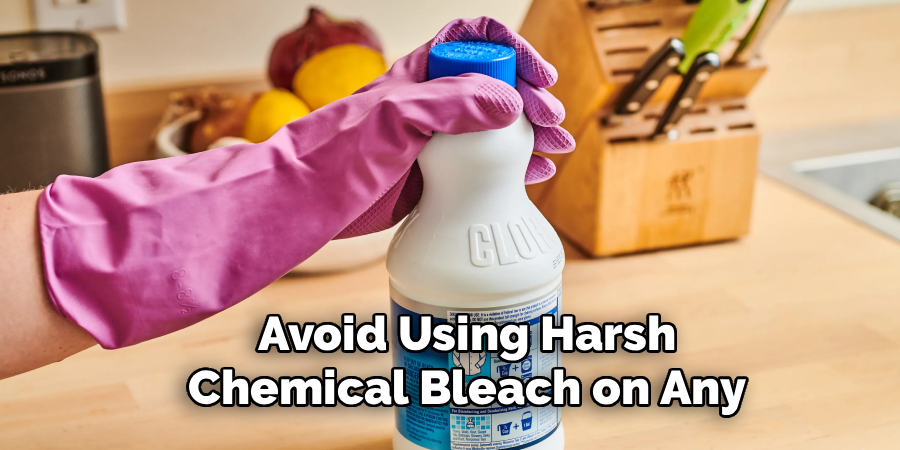
Creating the right cleaning mixture is incredibly important because harsh chemicals will instantly ruin the beautiful natural finish of your toys. You should never use bleach or heavy household disinfectants, as these toxic liquids will seep into the porous grain and inevitably end up in your baby’s mouth. Instead, fill your small bowl with lukewarm water and add just a single drop of mild, natural dish detergent or baby soap. Swirl the water gently until a very light lather appears on the surface. This delicate soapy mixture is powerful enough to break down sticky toddler germs without shocking or stripping the natural materials.
Step 4: Applying The Cleaning Mixture Carefully
With your gentle soapy water ready, it is time to address the dirty items using a highly controlled and cautious technique. You must never dunk or submerge the timber directly into the bowl, as instant swelling and warping will occur. Dishwasher detergents are far too abrasive and will completely strip away the wood’s natural protective oils. Instead, dip a clean corner of your soft cloth into the sudsy water and squeeze it tightly until it is barely damp. Wrap the lightly moistened cloth around the piece and gently wipe all six sides to lift away the unseen bacteria. Working with a nearly dry cloth guarantees that the moisture stays strictly on the surface where it belongs.
Step 5: Addressing Stubborn Sticky Spots
Sometimes mild soap is simply not enough to break down dried fruit puree, sticky candy residue, or stubborn mud stains from outdoor play. When you encounter these heavy stains, white vinegar serves as an incredible, non-toxic alternative that breaks down organic matter rapidly. Mix a tiny splash of white vinegar with an equal amount of water to create a safe, targeted spot treatment. Dampen a fresh cloth with this acidic mixture and apply gentle pressure to the sticky spot, rubbing in small circles until the grime lifts. The vinegar will neutralize hidden odors and dissolve the mess without introducing dangerous synthetic chemicals.
Step 6: Rinsing Without Adding Extra Moisture
Leaving a layer of soap or vinegar residue on the toys will create a terribly bitter taste and leave the surface feeling sticky to the touch. You must remove these cleaning agents completely without placing the items under a heavy stream of running faucet water. Take a brand new cloth, dampen it with plain room-temperature water, and wring it out until no drips fall. Swiftly wipe down every single side of the item to pull the soapy film away from the natural grain. Continue this careful wiping motion until the surface feels entirely smooth and free of any slippery residue.
Step 7: Executing Proper Drying Techniques
Extracting moisture immediately is arguably the most critical action you will take to protect your beautiful wooden investments from permanent ruin. If water lingers on the surface, it will slowly seep inward, causing the internal fibers to expand, crack, and potentially harbor dangerous mold. Grab your highly absorbent dry towel and press it firmly against the freshly washed pieces to soak up all remaining surface dampness. Lay the items out flat on a dry surface in a room with excellent air circulation to finish air drying completely. You must let them rest for several hours to guarantee that no hidden moisture remains trapped inside the grain.
Frequently Asked Questions
Can I Use Bleach On Wooden Toys?
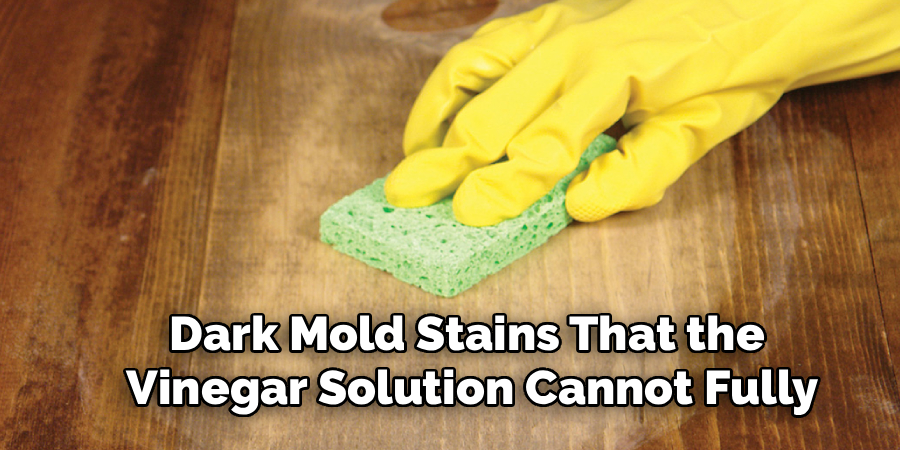
You must never use bleach or heavy chemical disinfectants on porous natural playthings under any circumstances. Bleach aggressively attacks natural fibers, stripping away protective oils and causing the structure to dry out, warp, and splinter dangerously. Because the material is highly porous, toxic chemical residue gets permanently trapped beneath the surface where it cannot be washed away. When your child inevitably puts the item in their mouth, they will ingest those dangerous residual chemicals directly. Also you can Use a piece of fine-grit sandpaper to gently buff away the heavily stained top layer of the wood grain.
How Often Should I Clean Wooden Play Blocks?
The frequency of your maintenance routine depends entirely on how often the items are used and where they travel throughout the day. For standard indoor play, giving them a gentle wipe down once every few weeks is generally sufficient to maintain proper hygiene. However, if the items are taken outdoors, dropped in food, or if your child is recovering from a cold, immediate sanitation is required. Regular, light maintenance is always better than waiting for heavy grime to accumulate over several months.
Are Essential Oils Safe For Cleaning?
While many parents love the smell of essential oils, you must exercise extreme caution when applying them to items your toddler will chew on. Highly concentrated oils like tea tree or eucalyptus can be toxic if ingested, even in very small amounts left behind on the surface. If you want a natural antibacterial boost, sticking to diluted white vinegar is a significantly safer and more effective choice. Always prioritize food-safe ingredients over fragranced oils to guarantee your child’s absolute safety during playtime.
What Happens If The Wood Gets Too Wet?
When natural timber absorbs too much water, the internal cellular structure expands rapidly and forces the material to warp out of shape. As the soaked piece eventually dries, it shrinks unevenly, which leads to severe cracking, splitting, and the creation of dangerous sharp splinters. Furthermore, moisture trapped deep inside the center creates the perfect dark, damp environment for toxic mold spores to grow unseen. This is exactly why you must always use a barely damp cloth and never submerge these items in standing water.
Can I Put Wooden Blocks In The Dishwasher?
Placing natural timber items inside a modern dishwasher is a guaranteed way to destroy them completely in a single wash cycle. Dishwashers subject items to extended periods of standing water, aggressive high-heat steam, and intensely harsh chemical detergents. This hostile combination will instantly strip all natural oils, warp the shape entirely, and break down any non-toxic glues holding the pieces together.
Conclusion
Keeping your child’s favorite building sets pristine and hygienic does not have to be a stressful or overly complicated chore. By understanding the delicate nature of porous materials, you can easily implement a safe maintenance routine that protects both your child and your investment. Avoiding harsh chemicals and excessive water ensures that these beautiful toys remain structurally sound, vibrantly colored, and free of dangerous splinters.
Remember that prompt attention to sticky spills and a quick drying process are your best defenses against permanent damage. Taking a few extra minutes to care for these items ensures they will continue to provide countless hours of safe, imaginative joy. If you want to protect your family’s health and preserve your beautiful play sets, mastering how to sanitize wooden blocks is a valuable skill to practice today. Grab a soft cloth, mix up a gentle soapy solution, and give your little one’s favorite toys the careful attention they deserve right now.

About
Mike May is a distinguished figure in the world of woodworking and timber design, with a decade of expertise creating innovative and sustainable indoor solutions. His professional focus lies in merging traditional craftsmanship with modern manufacturing techniques, fostering designs that are both practical and environmentally conscious. As the author of Woodimber, Mike delves into the art and science of timber-craft, inspiring artisans and industry professionals alike.
Education
RMIT University (Melbourne, Australia)
-
Associate Degree in Design (Timber): Focus on sustainable design, industry-driven projects, and practical craftsmanship.
-
Gained hands-on experience with traditional and digital manufacturing tools, such as CAD and CNC software.
Nottingham Trent University (United Kingdom)
-
Bachelor’s in Woodworking and Product Design (Honors): Specialized in product design with a focus on blending creativity with production techniques.
-
Participated in industry projects, working with companies like John Lewis and Vitsoe to gain real-world insights.
Publications and Impact
In Woodimber, May shares his insights on timber design processes, materials, and strategies for efficient production. His writing bridges the gap between artisan knowledge and modern industry needs, making it a must-read for both budding designers and seasoned professionals.