
Woodworking brings immense satisfaction, whether you are building a custom dining room table or framing a simple storage shed. However, mother nature never quite stops acting on natural, porous materials. Solid boards react constantly to their surrounding environment, eagerly absorbing and releasing moisture depending on the local ambient humidity. When this invisible moisture exchange happens unevenly, a perfectly straight, expensive board quickly turns into a twisted, highly unusable mess. Knowing exactly how to keep wood from warping solves this frustrating problem entirely.
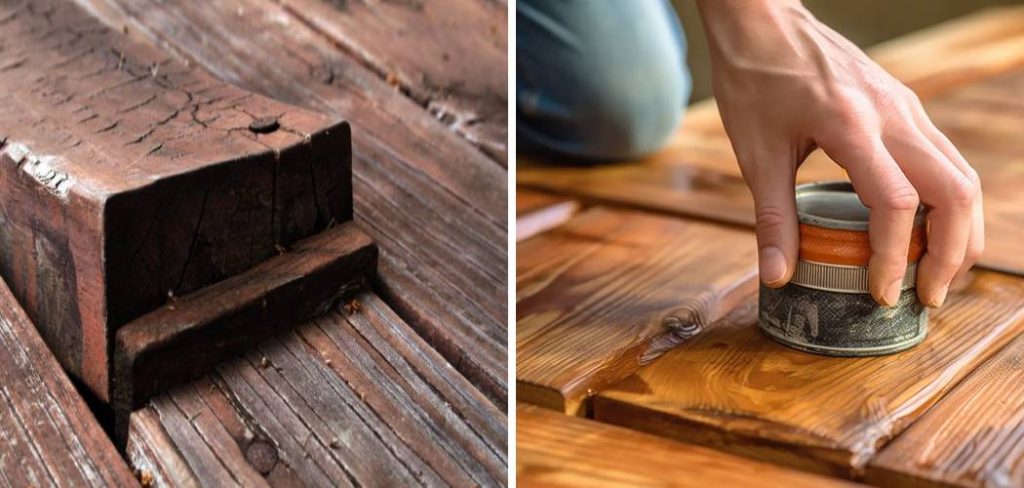
We have put together a highly comprehensive, expert guide to help you protect your valuable lumber investment. You will discover the absolute best storage methods, proper handling techniques, and protective finishing processes to keep your boards perfectly flat. By closely following these simple instructions, you can easily shield your raw materials from wild environmental changes without wasting expensive hardwood. Let us explore the clear, actionable steps you can confidently take today to fiercely preserve your premium building materials for decades to come.
Why From Warping Matters
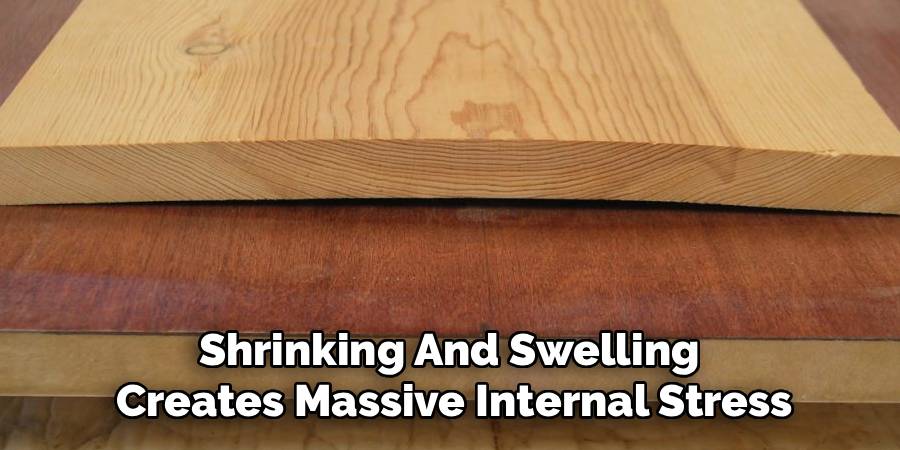
Lumber is an incredibly dynamic material that constantly seeks physical balance with the surrounding ambient air. When you bring new, raw boards into your climate-controlled home or workshop, they immediately face rapidly changing temperatures and humidity levels. These sudden atmospheric shifts cause the microscopic cellular structure of the bare lumber to expand or shrink quite aggressively. If one side of a solid board dries significantly faster than the opposite side, the resulting tension violently forces the material to bow, cup, or twist out of shape.
Preventing this destructive, unseen movement firmly protects the structural integrity of your entire woodworking project. A twisted wooden frame dangerously compromises the foundational stability of a bearing wall, while a cupped tabletop completely ruins the smooth, usable surface of your dining room furniture. Learning proper, proactive moisture management acts as a highly powerful shield against these destructive environmental forces. It tightly locks in your desired shape and absolutely ensures your hard work remains incredibly beautiful and highly functional.
Step-By-Step Guide To How To Keep Wood From Warping
Step 1: Understand The Basics Of Warping
Before buying any supplies, you must fully grasp why lumber moves in the first place. Boards constantly expand and contract as they absorb ambient humidity and release excess water vapor into the air. This natural breathing process happens much faster on exposed faces and open end grains than on shielded surfaces. When you thoroughly understand this constant moisture exchange, you can tightly control the environment surrounding your materials. Controlling the exposure to sudden humidity shifts actively prevents the uneven drying that directly causes twisting and bowing. Your primary goal is ensuring all sides of the entire board breathe at the exact same rate.
Step 2: Check The Moisture Content Carefully
Purchasing the right materials sets the structural foundation for a completely flat, perfectly stable project. Always inspect your boards using a digital moisture meter before you bring them into your workshop or garage. You want to look for premium materials that register exactly between six and eight percent moisture for indoor furniture projects. Exterior builds can actively tolerate slightly higher internal moisture levels, usually sitting safely around twelve to fourteen percent. Buying dripping wet lumber firmly guarantees severe movement as the material eventually dries out in your shop. Taking a few extra seconds to measure the moisture saves you from massive headaches later.
Step 3: Store Your Boards Perfectly Flat
Improper storage ruins perfectly good lumber faster than almost any other common shop mistake. You must always lay your boards completely flat on a rigid, perfectly level surface immediately after bringing them home. Leaning them casually against a garage wall causes them to bow heavily under their own massive physical weight. Create a dedicated storage rack with sturdy, highly level arms spaced closely together to provide maximum physical support. If you do not have a large rack, safely stack your materials flat on a solid, clean concrete floor. Gravity will actively work with you to keep the materials flawlessly straight rather than pulling them into a severe curve.
Step 4: Use Stickers For Proper Airflow
Stacking boards directly on top of one another securely traps dangerous moisture tightly between the touching surfaces. You must place small, uniform strips of dry lumber called stickers directly between every single layer of your stack. These thin spacer strips rapidly create a vital, open air gap that successfully allows healthy ventilation to reach the dark center of the pile. Space your stickers about sixteen inches apart to safely support the heavy weight without allowing any mid-board sagging. Align all the small stickers vertically above one another to carefully transfer the heavy weight straight down to the solid floor. This proven method ensures completely even drying across every single inch of the material.
Step 5: Seal The Exposed End Grain
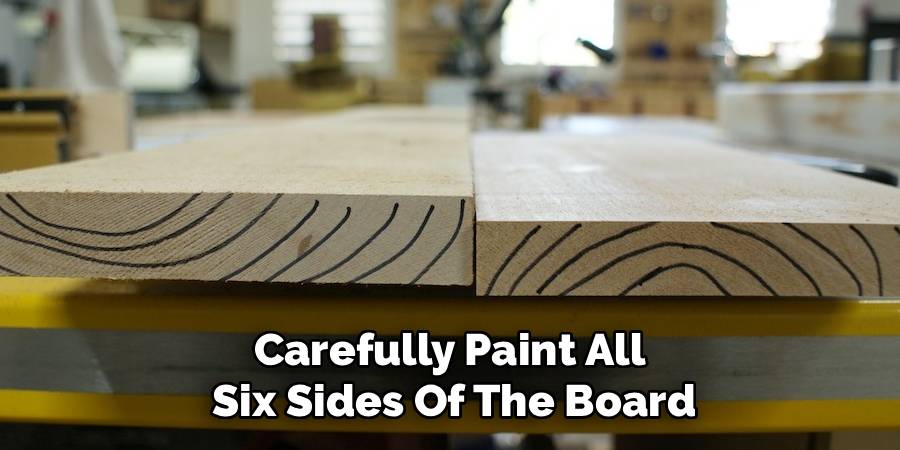
The open end grain of a board naturally releases internal moisture nearly ten times faster than the large flat face. This rapid, uncontrolled moisture loss at the ends directly causes severe splitting and aggressive twisting near the edges of your boards. You must immediately seal these highly exposed ends using a thick layer of latex paint or a specialized wax emulsion product. Brush the protective liquid generously onto the raw ends until the porous wood fibers stop soaking it up completely. This simple chemical barrier tightly forces the moisture to cleanly exit slowly through the large faces instead. Slow, properly controlled drying firmly keeps the internal physical tension perfectly balanced.

Step 6: Acclimate The Lumber To Your Workspace
Taking solid boards straight from a freezing cold delivery truck into a warm, cozy house actively shocks the natural fibers aggressively. You absolutely must allow your raw materials to sit peacefully in the final building environment for at least two full weeks before cutting them. This critical, patient resting period safely lets the dense material perfectly adjust to the specific ambient temperature and relative humidity of your living room. The boards might move slightly during this adjustment time as they slowly reach a safe internal moisture equilibrium. Letting this minor movement happen before you begin your complex assembly thoroughly prevents your finished project from literally pulling itself apart later. Patience always results in vastly superior, highly professional woodworking outcomes.
Step 7: Apply A High-Quality Protective Finish
Applying a strong protective liquid coat consistently serves as your absolute final defense against unseen environmental changes. You must coat every single surface of your finished project, carefully including the heavily hidden undersides and raw back panels. If you only apply finish to the top of a dining table, the completely bare bottom will aggressively absorb moisture from the humid summer air. This wildly uneven moisture absorption rapidly creates massive physical tension that quickly pulls the wooden tabletop into a deep, ugly cup. Use a durable polyurethane, rich exterior oil, or heavy marine varnish to securely seal the natural grain completely. An even, consistent finish strongly guarantees a perfectly balanced, structurally stable piece of furniture.

Frequently Asked Questions
What Causes Boards To Bend After Purchase?
Boards bend primarily due to highly uneven moisture loss or sudden, rapid absorption right after you confidently bring them home. When one side of a solid board dries significantly faster than the opposite side, the dry side rapidly shrinks and safely creates powerful internal tension.
Can I Fix A Board That Has Already Bent?
You can actually sometimes accurately fix a mildly cupped board by carefully reintroducing moisture directly to the tight concave side. Place the board flatly on wet summer grass in bright, direct sunlight, carefully positioning the cupped side facing strictly downward toward the damp ground. The highly dry side will successfully absorb the rising ground moisture and properly expand, very often pushing the board firmly back into a completely flat position.
Does Painting Stop The Movement Completely?
Applying highly heavy paint slowly reduces the rapid moisture exchange quite significantly, but it honestly never completely stops the natural movement entirely. Premium paint acts closely as a highly effective physical barrier against sudden, harsh humidity spikes during severe spring rainstorms or incredibly muggy summer weeks.
How Long Should Lumber Acclimate Before Use?
You should safely let your raw materials fully acclimate heavily in the specific final environment for a highly strict minimum of seven to fourteen full days. Significantly thicker pieces of lumber, exactly like highly massive dining table slabs, very often actively require several full months to completely reach a highly safe internal moisture equilibrium.
Is Kiln-Dried Lumber Immune To Bending?
Kiln-dried lumber is vastly significantly more stable than extremely raw green lumber, but it is truly never completely fully immune to wild environmental movement. The rigorous commercial drying process aggressively completely removes the vast majority of the internal water deeply in a highly controlled, incredibly safe manner.
Conclusion
Now it is definitely the completely perfect time for you to happily organize your busy workshop and properly prep your raw materials for total success. Do not sadly let another highly expensive board completely end up dumped in the dirty scrap pile due to wildly improper storage or overly rushed assembly. Understanding how to keep wood from warping ensures your beautiful custom furniture and structural frames remain consistently straight and incredibly strong. Actively set up your highly proper storage racks carefully today, proudly invest in a highly quality moisture meter, and greatly enjoy safely building gorgeous pieces that will truly beautifully stand the test of time.

About
Mike May is a distinguished figure in the world of woodworking and timber design, with a decade of expertise creating innovative and sustainable indoor solutions. His professional focus lies in merging traditional craftsmanship with modern manufacturing techniques, fostering designs that are both practical and environmentally conscious. As the author of Woodimber, Mike delves into the art and science of timber-craft, inspiring artisans and industry professionals alike.
Education
RMIT University (Melbourne, Australia)
-
Associate Degree in Design (Timber): Focus on sustainable design, industry-driven projects, and practical craftsmanship.
-
Gained hands-on experience with traditional and digital manufacturing tools, such as CAD and CNC software.
Nottingham Trent University (United Kingdom)
-
Bachelor’s in Woodworking and Product Design (Honors): Specialized in product design with a focus on blending creativity with production techniques.
-
Participated in industry projects, working with companies like John Lewis and Vitsoe to gain real-world insights.
Publications and Impact
In Woodimber, May shares his insights on timber design processes, materials, and strategies for efficient production. His writing bridges the gap between artisan knowledge and modern industry needs, making it a must-read for both budding designers and seasoned professionals.