
There is a distinct, quiet thrill in pulling a forgotten dresser from a dusty attic or claiming a seemingly ruined dining table from an estate sale. Uncovering the natural beauty hidden beneath decades of grime is incredibly rewarding. Yet, this process requires a calculated approach. Modern domestic habits condition us to reach for aggressive chemical sprays at the first sign of dirt. Applying that same blunt-force cleaning philosophy to a vintage piece usually results in aesthetic disaster. Delicate historical finishes are easily stripped.
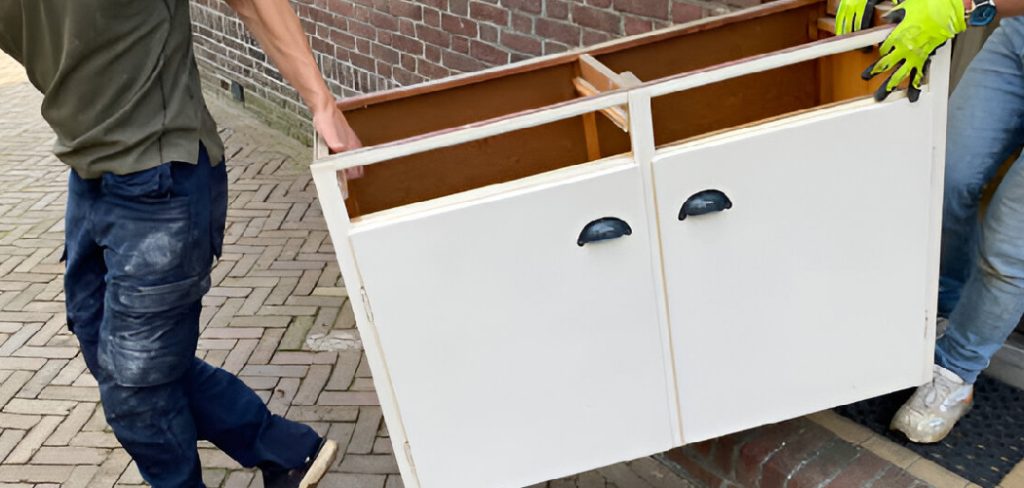
The goal of restoration should rarely be to make an object look entirely brand new, but rather to reveal the character it has earned over time. This requires a profound shift in methodology. We will explore exactly how to clean old furniture wood without stripping away its historic charm or structural value. By moving from assessment to gentle intervention, and finally to protective polishing, you can safely breathe new life into heirloom pieces.
Assessing the Condition of Your Piece
Before introducing any moisture or chemical agents to a wooden surface, one must conduct a thorough physical examination. The current state of the timber dictates the safest trajectory for your intervention. Rushing blindly into the cleaning phase without understanding the materials you are handling might easily result in dissolved topcoats. This preliminary analysis demands a patient, observant eye.
Testing the Existing Finish
Determining the nature of the existing protective layer is perhaps the most consequential step in this entire process. Older pieces were not sealed with the nearly indestructible plastic polyurethanes so common today. They often rely on shellac, natural lacquer, or simple beeswax. To understand what you are working with, you must test the finish. Select an entirely hidden area, such as the back of a leg or the interior lip of a drawer.
Take a cotton swab slightly dampened with a mild solvent, like denatured alcohol, and rub it gently against the wood. If the finish becomes sticky or transfers an amber color to the swab, it likely indicates a shellac coating. Understanding this chemical reality helps prevent the accidental application of a cleaner that might melt the historical protective layer completely off the piece.
Checking for Structural Damage
Beyond the chemical makeup of the finish, the physical integrity of the object requires careful evaluation. Moisture is the eternal enemy of compromised timber. Inspect the piece closely for lifting veneer, deep gouges, or the tiny exit holes that suggest past insect damage. If you discover sections where the animal hide glue holding the veneer has failed, introducing water could exacerbate the swelling. This might cause the thin wood layer to detach entirely. Structural issues must be stabilized by a conservator—or properly glued and clamped yourself—before any widespread surface cleaning begins.
Gathering Safe Cleaning Supplies
The modern cleaning aisle is saturated with products promising instant, blinding brilliance. The majority of these chemical cocktails are fundamentally inappropriate for antique surfaces. They frequently contain high levels of ammonia or synthetic silicones that aggressively erode fragile patinas. Assembling a proper restoration kit requires ignoring commercial marketing and relying on simple, unadulterated ingredients.
Gentle Cleaning Solutions
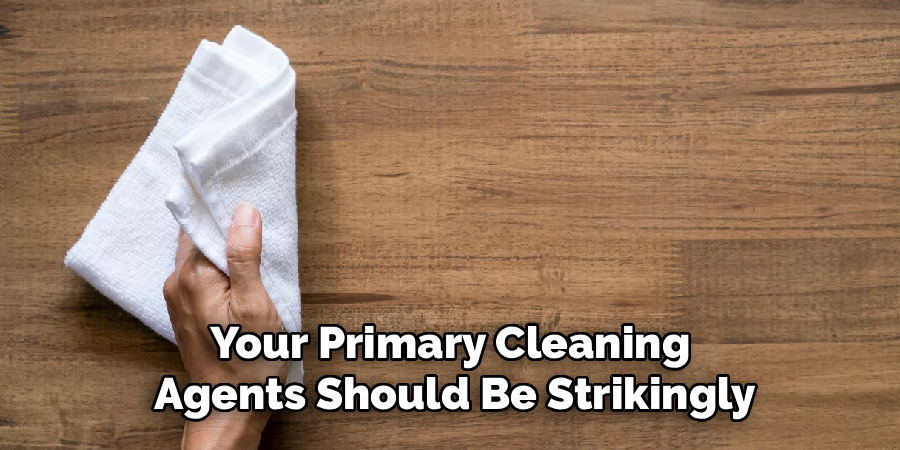
Your primary cleaning agents should be strikingly basic. A mild liquid dish soap, entirely devoid of heavy degreasers, serves as an excellent foundation. Distilled water is highly recommended over standard tap water. Tap water often contains heavy minerals that might leave chalky deposits on dark wood once the liquid evaporates. For cutting through heavily polymerized grease that soap cannot touch, clear mineral spirits are generally considered safe for most cured finishes. They must, however, be used with extreme moderation and care.
Essential Application Tools
The physical tools you employ are just as critical as the liquids themselves. Rough paper towels can leave microscopic scratches across a soft shellac finish. Instead, gather a generous supply of ultra-soft microfiber cloths. For areas of severe buildup, fine #0000 grade steel wool can be utilized with a very light hand. Keep a handful of wooden toothpicks and cotton swabs nearby. These simple tools are exceptionally useful for extracting decades of compressed dirt from intricate carvings without damaging the surrounding flat surfaces.
Preparing Your Workspace
The physical environment in which you work subtly influences the quality of the outcome. Cleaning old timber is a messy affair. Attempting to manage this process in a cramped living room usually leads to overlooked grime and frustrated efforts. Setting up an ideal environment ensures the process remains safe and effective.
Lighting and Ventilation
Visibility is your primary diagnostic tool. Working in a well-lit area allows you to see the microscopic topography of the wood. A strong directional work light highlights sticky residues that might remain invisible under soft room lighting. Furthermore, if your intervention requires the use of mineral spirits, adequate airflow is absolutely mandatory. Solvent fumes accumulate rapidly in enclosed spaces. Position your workspace near an open window or utilize an exhaust fan to maintain a steady exchange of fresh air.
Protecting the Surroundings
The underside of a heavy chest can easily gouge a modern floor during the cleaning process. Conversely, standing an antique on a concrete garage floor risks splintering its feet. Lay down heavy canvas drop cloths or thick moving blankets to protect the floor from accidental drips. This also cushions the contact points of the furniture, preventing scuffs as you shift the piece around to access different angles.
How to Clean Old Furniture Wood: Step-by-Step Guide
This phase represents the core physical intervention. The methodology here relies on incremental escalation. You begin with the least invasive tactic and only increase the chemical strength if the dirt actively resists removal. Proceeding slowly ensures that you lift only the superficial grime, leaving the desirable historical oxidation intact. Patience is not just helpful here; it is an absolute requirement.
Step 1: Remove Surface Dust
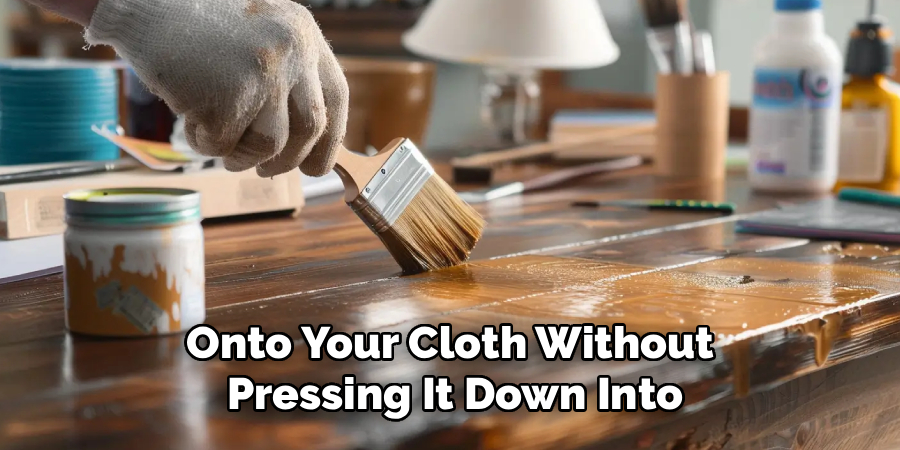
Dust is rarely just inert fluff. It often contains microscopic silica particles that behave exactly like sandpaper when dragged across a soft finish. Attempting to wash a dusty piece of furniture essentially creates an abrasive mud. Begin by wiping down the entire piece with a dry microfiber cloth or a soft vacuum brush attachment. The goal is to lift the loose particulate matter into the air or onto your cloth without pressing it down into the wood grain.
Step 2: Perform a Spot Test
The golden rule of historical preservation dictates that all liquid agents must be tested before widespread application. Select an inconspicuous area to verify your approach. Apply a single drop of your diluted soap solution and wipe it gently. Examine the cloth. If the fabric shows the dark brown color of the finish itself rather than just gray dirt, stop immediately. This indicates the finish is water-soluble or severely degraded. A dry-cleaning approach might be the only viable path forward in such cases.
Step 3: Mix a Mild Soap Solution
Assuming the spot test is successful, prepare a highly diluted mixture. Combine warm water with just a few drops of mild dish detergent in a small bucket. Dip a clean microfiber cloth into the mixture. Now, wring it out with considerable force. The cloth must be barely damp. It should feel cool to the touch but yield no actual droplets when squeezed. Excess water is the greatest threat to old wood.
Step 4: Wipe Down the Wood
Gently wipe the surface following the direction of the wood grain. The mechanical action should be smooth and unhurried. Work in small, isolated sections. Move systematically across the piece. The objective is to dissolve the water-soluble sugars and starches left behind by human hands without allowing moisture to sit on the surface for more than a few seconds. Do not let any area remain wet as you move to the next.
Step 5: Dry the Surface Immediately
Moisture left pooling on a vintage surface will almost inevitably force the finish to bloom, creating a milky discoloration. This happens when water vapor becomes trapped beneath the topcoat. As soon as you finish wiping a small section with the damp, soapy cloth, follow up instantly with a clean, dry cotton towel. Absorb any residual liquid entirely. The wood should feel dry beneath your palm before you proceed.

Step 6: Tackle Stubborn Grime with Mineral Spirits
Water and soap frequently fail to dislodge the heavy waxes and airborne cooking oils that accumulate on furniture over a century. When you encounter these sticky patches, mineral spirits become necessary. Lightly dampen a cloth or a small pad of fine steel wool with the solvent. Rub the area with an exceptionally light touch. Let the chemical properties of the mineral spirits dissolve the grease rather than applying heavy physical pressure. Stop the moment the grime lifts.
Step 7: Buff the Cleaned Wood
Once the piece has been entirely cleaned and the solvents have evaporated, take a fresh microfiber cloth. Execute a final, vigorous buffing over the entire piece. This action removes any lingering residue from the soap or mineral spirits. It also prepares the wood’s surface to receive a final protective layer of polish, ensuring maximum adhesion and a smooth tactile feel.
Tackling Stubborn Stains and Water Rings
Vintage dining tables and dressers frequently bear the scars of careless daily use. Blemishes look severe, but they usually indicate that moisture has merely become trapped within the uppermost layers of the finish. Addressing these common issues requires specific, gentle remedies that avoid the need for a full, destructive refinish.
Removing White Water Rings
White rings, typically left by sweaty drinking glasses, are remarkably common. While it sounds distinctly like a folk remedy, applying full-fat mayonnaise to a white water ring often yields surprisingly effective results. The emulsion of oils in the mayonnaise slowly seeps into the porous finish if left overnight, physically displacing the trapped water molecules. Alternatively, one might place a completely dry cotton towel directly over the stain. Run a warm, dry household iron briefly over the fabric. The gentle heat often draws the trapped condensation up out of the finish and into the absorbent towel.
Handling Dark Spots and Ink
Dark spots represent a vastly different problem. While white rings signify trapped surface moisture, a dark black or deep gray stain usually means water or ink has penetrated the finish and reacted with the tannins in the wood itself. These blemishes cannot simply be wiped away with soap. They require specialized chemical treatments, such as oxalic acid, or professional intervention. Often, it is safer to simply accept these dark marks as part of the object’s historical narrative.
Polishing and Restoring the Finish
Cleaning strips away dirt, but it also removes whatever incidental protective barriers existed on the piece. The freshly cleaned wood must be nourished and resealed to prevent future degradation. A proper polish enhances the natural beauty of the grain while establishing a sacrificial layer against dust and friction.
Choosing a High-Quality Wax
Liquid polishes found in supermarkets often leave greasy residues that attract dust. For a truly professional result, recommend using a premium furniture paste wax. Formulations containing carnauba are excellent. Paste wax provides a highly durable, hard-wearing barrier that liquid sprays simply cannot match. It offers a subtle, authentic sheen rather than an artificial, plastic glare.
The Application and Buffing Process
Take a clean cotton rag and apply a very thin, almost transparent layer of paste wax over the entirely dry surface. Work the wax gently into the pores of the wood. Allow this wax to sit until it hazes over, which typically takes about ten to fifteen minutes. Once cloudy, take a fresh cloth and buff the surface vigorously. This friction heats the wax slightly, forcing it to harden into a soft, warm sheen that repels dust and diffuses light beautifully across the room.

Mistakes to Avoid When Restoring Wood
Knowing what to omit from your cleaning routine is perhaps more important than knowing what to include. The consumer market encourages a kind of aggressive sanitization that is fundamentally incompatible with antique preservation. A single poor chemical choice can wipe out a hundred years of character in seconds.
Avoiding Silicone-Based Sprays
The aerosol dusting sprays found in most modern homes are a menace to historical wood. These products rely heavily on silicone oils to create an instant shine. While they look glossy initially, silicone creates a permanent synthetic barrier on the surface. If the piece ever requires legitimate professional refinishing in the future, this invisible silicone layer makes it nearly impossible for new lacquers or varnishes to adhere properly. They must be avoided entirely.
The Danger of Over-Scrubbing
It is incredibly easy to lose perspective when scrubbing a stubborn stain. You might start with the intention of removing a black smudge and accidentally scrub right through the amber finish, exposing the pale raw wood underneath. This creates a glaring visual defect that requires professional color-matching to disguise. The goal is to clean the dirt, not remove the historical patina. A gentle touch is your greatest asset.
Long-Term Care for Vintage Pieces
Once the exhaustive cleaning process is complete, the focus shifts to environmental management. The physical longevity of a wooden antique depends largely on how it interacts with the atmosphere in your home. Proactive advice helps maintain the pristine condition of the furniture for generations to come.
Climate Control
Wood is a hygroscopic material; it continuously absorbs and releases moisture in response to its surroundings. Placing an antique chest directly next to a roaring radiator or a damp exterior wall forces the timber to expand and contract violently. This movement could potentially lead to cracked panels and split veneer. Furthermore, direct ultraviolet light acts as a slow bleaching agent. Keep vintage wood away from harsh sunlight and maintain a relatively stable indoor humidity level to prevent warping.
Routine Maintenance
The daily care of your restored piece should involve profound neglect. Heavy chemical cleaning is no longer required. Recommend a simple routine of weekly dry dusting with a microfiber cloth. This prevents the accumulation of abrasive particles. Beyond this, applying a fresh, microscopic coat of paste wax just once or twice a year is entirely sufficient to maintain the protective barrier and keep the wood looking deeply nourished.
Conclusion
The preservation of old objects is fundamentally an exercise in restraint. The impulse to aggressively scrub away every flaw must be actively suppressed. By approaching the task methodically, you protect the structural integrity of the timber while celebrating its age. You have successfully navigated the complexities of fragile finishes, applied gentle chemistry to stubborn grime, and secured the surface with a classic wax.
Ultimately, understanding how to clean old furniture wood is a valuable skill that preserves history and saves money. It demands that we look closely at the beautiful decay of time and thoughtfully maintain it. Gather your supplies, select a forgotten piece of furniture in your home, and enjoy the deeply satisfying process of bringing its obscured beauty back to the surface.

About
Mike May is a distinguished figure in the world of woodworking and timber design, with a decade of expertise creating innovative and sustainable indoor solutions. His professional focus lies in merging traditional craftsmanship with modern manufacturing techniques, fostering designs that are both practical and environmentally conscious. As the author of Woodimber, Mike delves into the art and science of timber-craft, inspiring artisans and industry professionals alike.
Education
RMIT University (Melbourne, Australia)
-
Associate Degree in Design (Timber): Focus on sustainable design, industry-driven projects, and practical craftsmanship.
-
Gained hands-on experience with traditional and digital manufacturing tools, such as CAD and CNC software.
Nottingham Trent University (United Kingdom)
-
Bachelor’s in Woodworking and Product Design (Honors): Specialized in product design with a focus on blending creativity with production techniques.
-
Participated in industry projects, working with companies like John Lewis and Vitsoe to gain real-world insights.
Publications and Impact
In Woodimber, May shares his insights on timber design processes, materials, and strategies for efficient production. His writing bridges the gap between artisan knowledge and modern industry needs, making it a must-read for both budding designers and seasoned professionals.