

There is something timeless about the look of aged timber. The silvery-gray patina of a barn that has stood for decades evokes a sense of history and charm that brand-new lumber simply cannot match. Whether you are building a farmhouse table, a picture frame, or a garden planter, achieving that vintage aesthetic often feels like it requires waiting years for nature to take its course. Fortunately, you do not need patience or an antique budget to get that coveted look. By using simple household ingredients, you can fast-forward the aging process and transform fresh boards into rustic treasures in just a few hours.

Learning How to Weather Wood Naturally allows you to control the color and intensity of the finish, ensuring it perfectly matches your vision. This guide is designed for beginners and home gardeners who want to add character to their projects without using harsh commercial stains. We will walk you through a safe, effective, and surprisingly fun method using items you likely already have in your kitchen pantry. Get ready to turn ordinary pine into extraordinary, weather-beaten masterpieces.
Why the Weathered Wood Aesthetic is So Popular
The trend toward rustic and reclaimed decor has exploded in recent years, and for good reason. Weathered wood brings warmth, texture, and an organic element into our homes and gardens that polished, modern finishes often lack. It connects us to the outdoors and feels grounded and authentic. In the garden, a weathered planter blends seamlessly with the foliage, looking as though it has been part of the landscape for seasons. Indoors, a distressed accent wall or table creates a cozy, lived-in vibe that is inviting and comfortable.
Beyond aesthetics, DIY weathering is a fantastic way to upcycle inexpensive lumber. Standard pine or spruce from the hardware store is cheap and readily available, but it can look generic and yellow when new. By applying these aging techniques, you elevate humble materials, giving them the visual weight and dignity of expensive reclaimed hardwood. It is a cost-effective way to achieve a high-end designer look while enjoying the satisfaction of creating something beautiful with your own hands.
Step-by-Step Guide on How to Weather Wood
Step 1: Gather Your Tools and Safety Gear
Before you begin mixing any solutions, you need to prepare your workspace and gather the necessary materials. You will need fine-grade steel wool, preferably grade #0000, white vinegar, a glass jar with a lid, and some black tea bags. For the application, have a few cheap paintbrushes, clean rags, and fine-grit sandpaper on hand. Safety is always paramount, even with household ingredients, so wear rubber gloves to keep the mixture off your skin and safety glasses to protect your eyes from splashes. Set up your project in a well-ventilated area, like a garage or outdoor patio, to minimize the smell of vinegar. Having everything organized beforehand ensures the process is smooth and enjoyable.

Step 2: Prepare the Aging Solution in Advance
The magic ingredient for this project is a solution made from iron acetate, which is created by reacting steel wool with vinegar. Tear up one pad of steel wool and place it into your glass jar. Fill the jar with white vinegar until the steel wool is completely submerged. Loosely screw on the lid—do not tighten it all the way, as the chemical reaction releases a small amount of gas that needs to escape. Let this mixture sit for at least 24 hours. The liquid will turn a murky gray color as the acid dissolves the steel. This solution is the core component of understanding how to weather wood effectively.
Step 3: Sand and Distresses the Lumber Surface
While your solution is brewing, prepare your wood. New lumber often has a protective mill glaze that can prevent absorption, so sand the entire surface with 120-grit sandpaper to open up the grain. Once sanded, you can add physical character to the wood to mimic years of wear and tear. Use a hammer, a bag of screws, or a wire brush to create dents, scratches, and dings. Focus on the edges and corners where natural wear would occur. These imperfections will absorb more of the staining solution later, creating darker, more dramatic contrasts that enhance the rustic effect. Be creative but random to keep it looking natural.
Step 4: Brew a Pot of Strong Black Tea
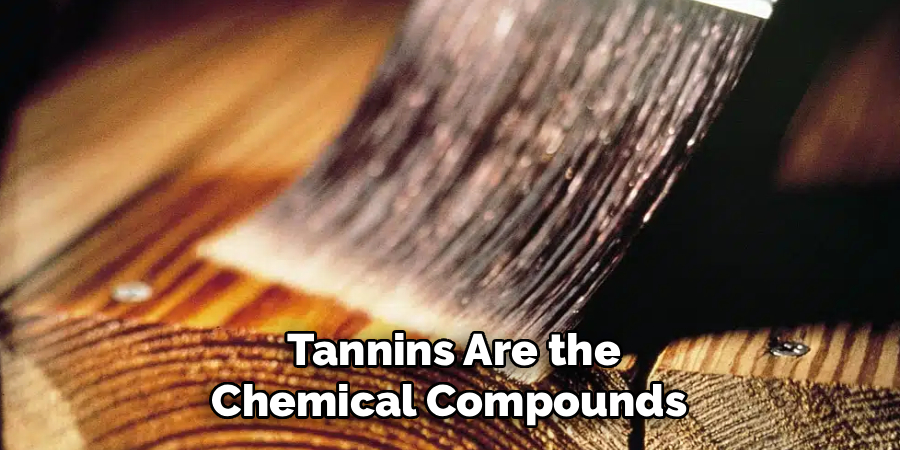
Most softwoods like pine, spruce, and fir have low natural tannin content. Tannins are the chemical compounds that react with the iron acetate to turn the wood dark. To ensure a rich, deep color, you need to add tannins back into the wood. Brew a very strong pot of black tea using 4 or 5 tea bags in two cups of boiling water. Let it steep until the water is cool and extremely dark. This tea isn’t for drinking; it is a pre-conditioner for your wood. The tea itself won’t change the color of the wood much, perhaps adding a slight yellow tint, but it lays the chemical foundation for the reaction to come.
Step 5: Apply the Tea to the Raw Wood
Using a paintbrush or a clean rag, saturate the wood with the cooled black tea. Make sure to cover every inch of the surface, including the ends and the nooks and crannies you created during the distressing phase. The wood should be wet but not dripping. Allow the tea to soak in and dry completely. This step is crucial because the iron acetate needs dry tannins to react with effectively. If the wood is still soaking wet, the solution might dilute. Depending on the humidity, this could take anywhere from an hour to fully dry. This tannin boost ensures that even cheap pine will darken beautifully.
Step 6: Apply the Iron Acetate Solution
Now comes the moment of transformation. Dip a brush into your vinegar and steel wool mixture and apply it to the tea-stained wood. The reaction is almost instant. As you brush it on, you will see the wood begin to turn gray, black, or brown before your eyes. Don’t panic if it looks too dark at first; the color will shift and mellow as it dries. Apply the solution unevenly for a more natural look, allowing it to pool slightly in the distressed areas. This chemical reaction mimics the natural oxidation process that happens over decades, which is the secret to how to weather wood convincingly in minutes.
Step 7: Let the Wood Dry and Assess the Color
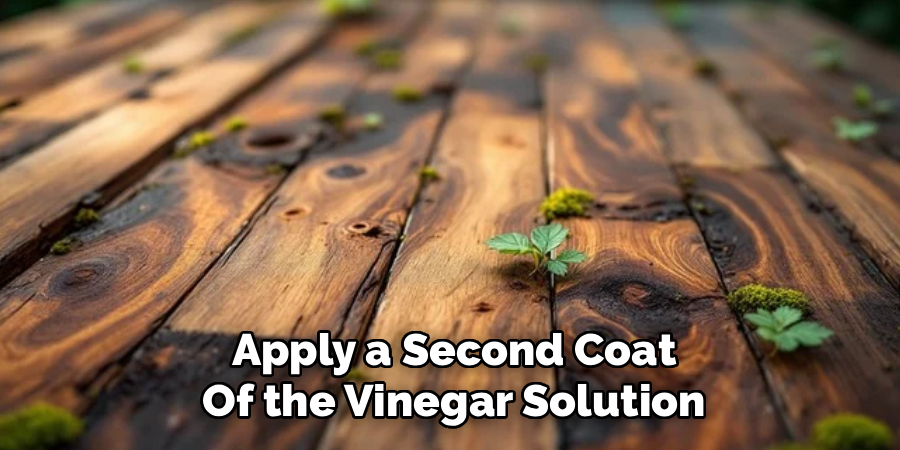
Once you have coated the entire piece, let it dry completely. The final color will be lighter and more subtle than the wet appearance. If the wood is not dark enough for your taste, you can apply a second coat of the vinegar solution. If it is too dark or uniform, you can use sandpaper to scuff back the surface, revealing some of the lighter wood underneath to create highlights. This layering adds depth and complexity to the finish. Every piece of wood reacts differently, so assess the unique character of your specific board.
Step 8: Seal the Surface for Longevity
After you are happy with the weathered look, you need to protect the finish, especially if the project is for the garden. The vinegar solution does not seal the wood; it only stains it. To lock in the color and protect against moisture, apply a clear matte sealer. A water-based polyurethane or a matte exterior varnish works well because they do not yellow over time. Avoid glossy finishes, as shiny surfaces ruin the illusion of old, rustic timber. A wax finish is also a great option for indoor furniture, providing a soft, hand-rubbed sheen that feels authentic to the touch.
Frequently Asked Questions
Can I Use Apple Cider Vinegar Instead of White Vinegar?
Yes, you can absolutely use apple cider vinegar for this process.
- Color Variation: While white vinegar tends to produce a silvery-gray driftwood look, apple cider vinegar often results in a warmer, browner tone.
- Testing: Since every piece of wood reacts differently, it is a great idea to test both types on a scrap piece of lumber to see which hue matches your project best.
- Process: The preparation method remains exactly the same: soak the steel wool for at least 24 hours.
Does This Method Work on All Types of Wood?
The iron acetate method works best on wood with high tannin content, but it can work on others with preparation.
- Hardwoods: Oak and walnut naturally have high tannins and will turn very dark, often black, without needing the tea step.
- Softwoods: Pine, spruce, and fir need the black tea pre-treatment to achieve a significant color change.
- Pressure-Treated Wood: It is not recommended for pressure-treated lumber (often green) as the chemicals can interfere with the reaction and produce unpredictable, sometimes ugly, colors.
How Can I Neutralize the Vinegar Smell?

The vinegar smell can be strong initially but usually dissipates on its own.
- Drying Time: As the wood dries completely, the acetic acid evaporates, and the smell fades.
- Baking Soda: If the smell lingers, you can wipe the wood down with a mixture of baking soda and water to neutralize the acid.
- Sealing: Applying a clear topcoat or wax seals the surface and eliminates any remaining odor effectively.
What If My Solution Turns the Wood Too Dark?
If the reaction is too intense, you have a few options to fix it.
- Water Dilution: Before applying, you can dilute the vinegar solution with water (50/50 ratio) to lessen its potency.
- Sanding: If it’s already applied and dried, use medium-grit sandpaper to sand back the surface. This removes the darkest top layer and reveals the lighter wood grain beneath, adding to the weathered effect.
- Bleach: A weak bleach solution can help lighten the wood back up, but be careful not to damage the fibers.
Is This Finish Safe for Vegetable Gardens?
Generally, yes, this method is considered safer than commercial stains.
- Ingredients: You are using vinegar, iron (rust), and tea—all non-toxic household items.
- Sealers: The concern usually lies with the sealer you choose. If using this for a raised garden bed used for edibles, ensure you skip the chemical sealer or use a non-toxic, food-safe linseed oil to protect the wood.
- Avoid Pressure-Treated: Remember to apply this to untreated wood for edible gardens.
Conclusion
Transforming new lumber into wood that looks like it has survived a century of storms is one of the most satisfying and accessible DIY projects you can tackle. It empowers you to create custom decor with a rich sense of history, all without the high cost of sourcing authentic reclaimed timber. By mastering the interaction between tannins and iron acetate, you gain a versatile tool for your gardening and woodworking arsenal.
Whether you are building rustic planter boxes, a farmhouse dining table, or simple decorative shelving, this technique ensures your projects have character and soul. The process is forgiving, creative, and uniquely yours, as no two boards will ever turn out exactly the same. Now that you know how to weather wood using simple ingredients, you can confidently head to your workshop and start aging your timber to perfection.

About
Mike May is a distinguished figure in the world of woodworking and timber design, with a decade of expertise creating innovative and sustainable indoor solutions. His professional focus lies in merging traditional craftsmanship with modern manufacturing techniques, fostering designs that are both practical and environmentally conscious. As the author of Woodimber, Mike delves into the art and science of timber-craft, inspiring artisans and industry professionals alike.
Education
RMIT University (Melbourne, Australia)
-
Associate Degree in Design (Timber): Focus on sustainable design, industry-driven projects, and practical craftsmanship.
-
Gained hands-on experience with traditional and digital manufacturing tools, such as CAD and CNC software.
Nottingham Trent University (United Kingdom)
-
Bachelor’s in Woodworking and Product Design (Honors): Specialized in product design with a focus on blending creativity with production techniques.
-
Participated in industry projects, working with companies like John Lewis and Vitsoe to gain real-world insights.
Publications and Impact
In Woodimber, May shares his insights on timber design processes, materials, and strategies for efficient production. His writing bridges the gap between artisan knowledge and modern industry needs, making it a must-read for both budding designers and seasoned professionals.