

Gardeners love incorporating natural materials into their green spaces. Wooden blocks serve countless practical purposes in the backyard, from charming plant risers on your sunny patio to sturdy row markers in the vegetable patch. However, constant exposure to damp potting soil, humid greenhouses, and unpredictable outdoor elements means these highly porous items can quickly harbor unwanted mold, mildew, or plant pathogens.
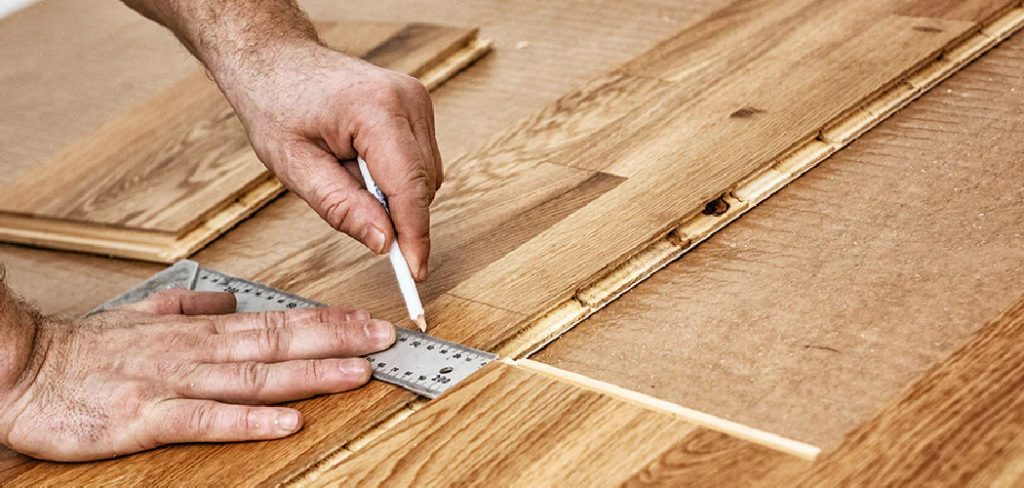
If you want to keep your backyard ecosystem healthy and your rustic decor looking beautiful, you need to know exactly how to sanitize wooden blocks. Cleaning your garden accessories does not require harsh, toxic chemicals that could potentially harm your delicate seedlings or contaminate your organic soil. This beginner-friendly guide will walk you through a simple, highly effective method to safely clean and disinfect your wooden props using basic household items. Let us dive into the best ways to refresh your natural materials and protect your flourishing garden environment for seasons to come.
Why Cleaning Your Wooden Garden Props Matters
When you use wooden pieces as seed spacers, plant stands, or cold frame props, they come into direct contact with rich organic matter and constant moisture. Wood is a highly porous material that eagerly absorbs water and traps microscopic fungi deep within its grain. If left untreated, a damp piece of wood becomes the absolute perfect breeding ground for fungal spores and harmful bacteria.
These hidden threats can easily transfer directly to your delicate seedlings, causing devastating issues like damping-off disease or severe root rot. Taking the time to clean these items properly extends their physical lifespan and actively safeguards the health of your beloved plants. Regular, gentle maintenance prevents the wood from breaking down and rotting prematurely, saving you the financial hassle of replacing your garden accessories every single spring. A meticulously clean environment is the essential foundation of a thriving, vibrant garden.
8 Step-by-Step Guide on How to Sanitize Wooden Blocks
Step 1: Brush Away Loose Garden Soil
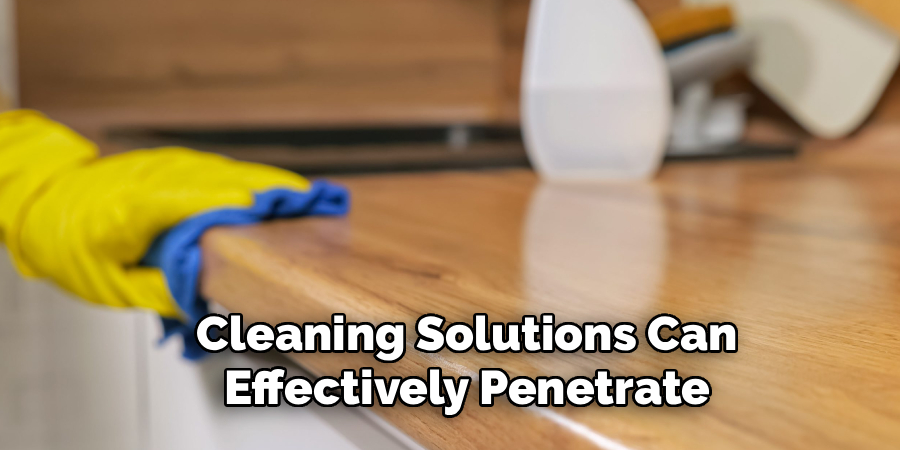
Before applying any liquids to your wooden garden accessories, you must thoroughly remove all the loose surface debris. Grab a stiff-bristled scrub brush or a clean, dry cloth to aggressively knock away caked-on potting soil, dried leaves, and sticky spider webs. Brushing the wood while it is completely dry prevents you from accidentally pushing wet mud deeper into the porous grain. Pay close attention to any deep cracks or natural knots in the wood where tiny garden pests and dirt like to hide. Taking this crucial first step ensures that your cleaning solutions can effectively penetrate the surface rather than simply sliding over a thick layer of backyard grime.
Step 2: Create a Mild Soapy Solution
Once the heavy dirt is successfully removed, it is time to wash away the lingering surface grime. Fill a small bucket or a clean garden pail with warm water. Add a few drops of mild, eco-friendly dish soap to the water and swirl it around gently until soft suds form. You must actively avoid using harsh chemical detergents or heavily fragranced soaps, as these toxic residues can easily leach into your soil and harm your sensitive garden plants later. A gentle, natural soap provides plenty of lifting power to break down natural oils, sticky plant sap, and residual dirt without compromising the organic safety of your backyard environment.
Step 3: Wipe Down the Surfaces Gently
Dip a soft cotton cloth or a non-abrasive sponge into your warm, soapy water and firmly wring out the excess liquid. You want the cloth to be slightly damp, never dripping wet, because heavily soaking wood can cause it to warp or rot entirely. Gently rub the damp cloth over every single side of the wood, applying light pressure to lift away the remaining garden dirt. If you encounter a particularly stubborn spot of dried tree sap, hold the damp cloth over the area for a few seconds to soften the residue before wiping it away. Take your time to ensure every surface receives a thorough, careful wipe down.
Step 4: Prepare a Natural Vinegar Disinfectant
After the surface is visually clean, you need to systematically address the microscopic bacteria and fungal spores that constantly threaten your plants. A major part of learning how to sanitize wooden blocks effectively involves mixing a safe, highly natural disinfectant. Pour equal parts of plain white distilled vinegar and clean water into a standard plastic spray bottle. White vinegar contains a mild acetic acid that naturally kills dangerous mold and bacteria without introducing dangerous chemicals into your pristine greenhouse. Give the bottle a firm shake to mix the liquid thoroughly. This homemade solution is incredibly inexpensive, entirely safe for organic gardening setups, and highly effective at eliminating invisible pathogens.
Step 5: Apply the Vinegar Solution
With your natural disinfectant properly mixed and ready to use, lightly mist the surface of the wood with the vinegar solution. You only need a very fine spray to achieve the desired sanitizing effect, so carefully avoid completely saturating the material. Ensure you lightly coat all the sides, focusing especially on the bottom areas that frequently touch damp soil or wet greenhouse benches. Once applied, allow the vinegar solution to sit completely undisturbed on the surface for about five to ten minutes. This brief resting period gives the mild acid enough time to break down stubborn fungal spores and effectively neutralize any lingering bacteria hidden within the outer layer of the wood grain.
Step 6: Wipe with a Clean Damp Cloth
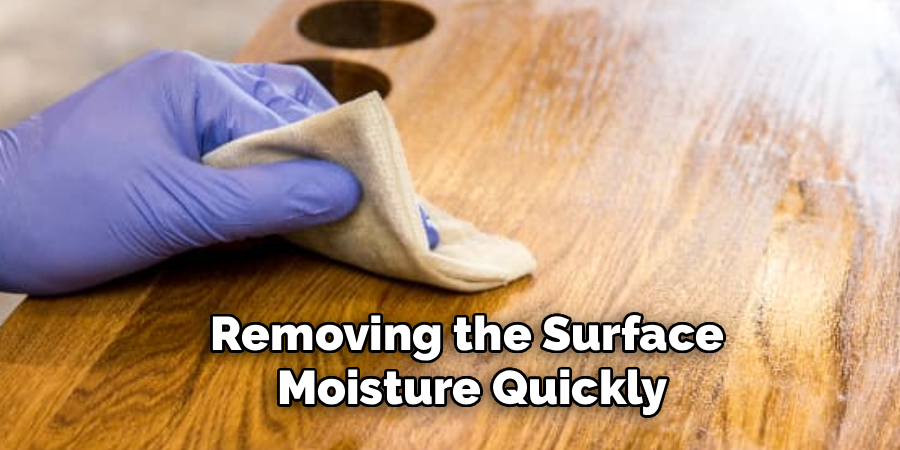
After the vinegar has sat for the appropriate amount of time, you need to actively remove the residual moisture from the surface. Take a fresh, completely dry microfiber cloth and firmly wipe down all the sides of the block. This deliberate action pulls away the deactivated bacterial matter and safely absorbs the excess vinegar solution. Wiping the wood quickly prevents the mild acid from breaking down the natural cellulose fibers over time. It also effectively eliminates the strong, pungent smell of the household vinegar. By removing the surface moisture quickly, you dramatically reduce the chances of the wood warping, swelling, or splitting down the middle.
Step 7: Air Dry in the Direct Sunlight
Properly drying the material is arguably the most critical phase of the entire sanitization process. Carry your damp wooden items outside and deliberately place them in a bright, well-ventilated area that receives plenty of direct sunlight. The powerful ultraviolet rays radiating from the sun act as a fantastic secondary, entirely natural disinfectant that destroys any stubbornly remaining mold spores. Allow the wood to sit in the warm sunshine for several hours, turning the pieces occasionally so every side dries completely and evenly. You must never store damp wood in a dark, humid potting shed, as the trapped moisture will immediately invite fresh fungal growth.
Step 8: Apply a Protective Natural Oil
The final step heavily involves protecting your freshly cleaned items from future moisture damage and soil contamination. Once the wood is completely bone dry to the touch, you should gently apply a light coat of food-safe mineral oil or raw linseed oil. Pour a small amount of the liquid oil onto a clean rag and vigorously rub it deeply into the wood grain. This protective barrier deeply nourishes the dried wood fibers and actively repels water when you place the items back into your garden. Allow the oil to soak in overnight before wiping away any lingering excess with a dry towel.
Frequently Asked Questions
Can I Use Bleach To Clean My Garden Wood?
You should generally avoid using harsh chemical bleach on any porous wooden items intended for delicate garden use.
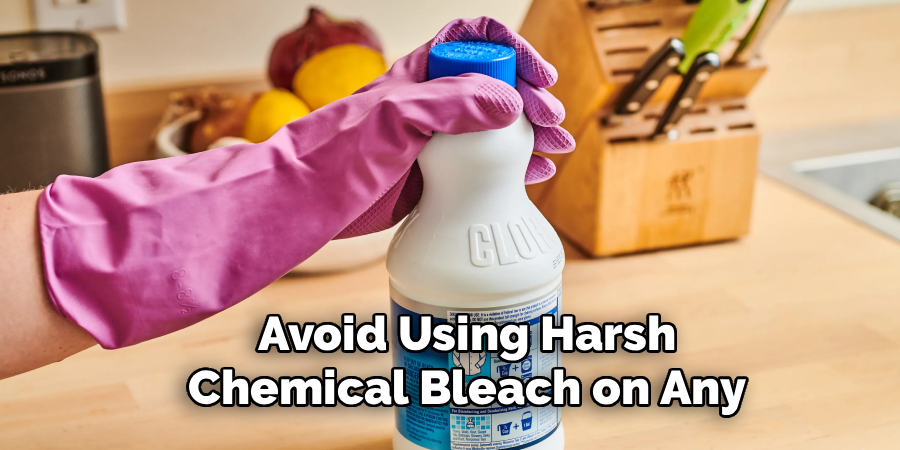
- Bleach can severely weaken the natural structural fibers of the wood, causing it to crack and splinter prematurely.
- Toxic chemical residues can easily leach from the wood directly into your potting soil, potentially burning delicate seedling roots.
- White vinegar is a much safer, highly organic alternative that effectively kills mold without leaving behind dangerous chemicals.
How Often Should I Disinfect Wooden Garden Props?
The exact frequency of your cleaning routine depends heavily on how you utilize the wooden items in your backyard.
- If the wood constantly touches wet soil or sits inside a humid greenhouse, aim to clean it once a month to prevent rapid rot.
- For items kept primarily on a covered patio, a thorough cleaning at the beginning and end of the growing season is usually sufficient.
- Always clean the wood immediately if you spot visible white or green mold growing on the surface.
Is It Safe To Put Wood In The Dishwasher?
No, you must never place natural wood items inside a mechanical dishwasher under any circumstances.
- The extreme heat and prolonged exposure to copious amounts of water will quickly cause the wood to warp, swell, and split apart.
- Commercial dishwasher detergents are far too abrasive and will completely strip away the wood’s natural protective oils.
- Always stick to a gentle hand-washing method using a damp cloth and mild soap to preserve the structural integrity of the material.
Will Baking Soda Work Instead Of Vinegar?
Yes, standard household baking soda is another excellent, entirely natural cleaning agent that works wonderfully on porous garden materials.
- You can easily create a thick, spreadable paste by mixing baking soda with a small amount of warm water.
- Gently scrub this paste into heavily stained areas to safely lift stubborn dirt and neutralize unpleasant outdoor odors.
- Baking soda is mildly abrasive, so it provides a fantastic scouring action without deeply scratching the delicate surface of the wood.
How Do I Remove Deep Dark Mold Stains?
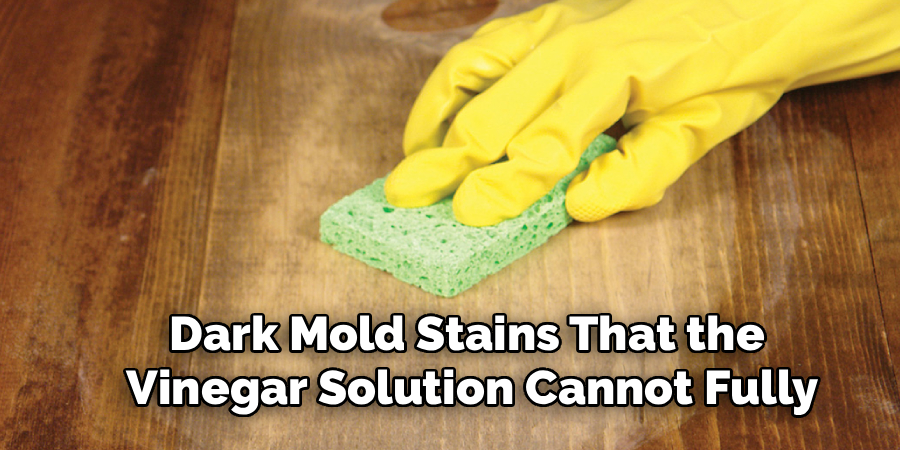
If your wood has developed deep, dark mold stains that the vinegar solution cannot fully remove, you might need to try a physical approach.
- Ensure the wood is completely bone dry before attempting any physical sanding repairs.
- Use a piece of fine-grit sandpaper to gently buff away the heavily stained top layer of the wood grain.
- Once the dark stain is removed, thoroughly wipe away the sawdust and immediately treat the exposed area with a protective, water-repelling oil.
Conclusion
Keeping your outdoor environment clean, safe, and beautifully organized is a deeply rewarding part of the horticultural journey. By taking the brief time to maintain your wooden garden props properly, you actively prevent harmful fungal diseases from attacking your vulnerable seedlings and significantly extend the life of your rustic accessories. The entire cleaning process requires minimal physical effort, utilizing simple, natural ingredients that you likely already have tucked away in your kitchen pantry.
Do not let rampant mold and destructive mildew ruin your carefully curated green space this season. Now that you fully understand how to sanitize wooden blocks, you can confidently protect your backyard ecosystem from hidden pathogens. Gather your basic supplies, head out to your sunny potting shed, and give your wooden garden tools the refreshing, natural treatment they truly deserve.

About
Mike May is a distinguished figure in the world of woodworking and timber design, with a decade of expertise creating innovative and sustainable indoor solutions. His professional focus lies in merging traditional craftsmanship with modern manufacturing techniques, fostering designs that are both practical and environmentally conscious. As the author of Woodimber, Mike delves into the art and science of timber-craft, inspiring artisans and industry professionals alike.
Education
RMIT University (Melbourne, Australia)
-
Associate Degree in Design (Timber): Focus on sustainable design, industry-driven projects, and practical craftsmanship.
-
Gained hands-on experience with traditional and digital manufacturing tools, such as CAD and CNC software.
Nottingham Trent University (United Kingdom)
-
Bachelor’s in Woodworking and Product Design (Honors): Specialized in product design with a focus on blending creativity with production techniques.
-
Participated in industry projects, working with companies like John Lewis and Vitsoe to gain real-world insights.
Publications and Impact
In Woodimber, May shares his insights on timber design processes, materials, and strategies for efficient production. His writing bridges the gap between artisan knowledge and modern industry needs, making it a must-read for both budding designers and seasoned professionals.