

Have you ever found a perfect plastic furniture piece or decor item, only to wish it had the warm, classic look of natural wood? You do not have to settle for cheap-looking plastic, nor do you need to spend a fortune on solid wood pieces. Faux finishing allows you to transform ordinary plastic into a stunning wood lookalike.
This DIY project is surprisingly simple, highly rewarding, and completely changes the atmosphere of your space. Whether you want to update patio chairs, revitalize a picture frame, or upgrade your car’s interior trim, mastering this painting technique opens up endless creative possibilities.
Let’s dive into how to paint plastic to look like wood.

What Will You Need?
Before we begin, gather all your materials. Having everything within reach makes the project smooth and enjoyable.
Here is your material list:
- Mild dish soap and a sponge
- Fine-grit sandpaper (220-grit)
- Painter’s tape
- Primer (suitable for plastic surfaces)
- Wood grain tool or a fine-bristle paintbrush
- Latex paint in the color of your choice
- Polyurethane sealer (optional)
10 Easy Steps on How to Paint Plastic to Look Like Wood
Step 1: Clean and Prepare the Surface
You must start with a completely clean surface. Paint will not adhere to dirt, grease, or old oils left behind by fingerprints. Mix warm water with a few drops of mild dish soap in a bucket. Submerge your sponge and scrub the entire plastic item thoroughly. Pay special attention to corners, crevices, and textured areas where dust tends to hide. Once you finish scrubbing, rinse the item completely with clean water. Wipe it down with a dry microfiber cloth and let it air dry completely. If you skip this step, your beautiful faux wood finish will quickly peel off.

Step 2: Sand the Plastic Gently
Plastic generally has a very smooth, glossy surface that repels liquids. To make your primer and paint stick, you need to give the plastic some “tooth.” Take your 220-grit sandpaper and gently scuff the entire surface. You do not need to apply heavy pressure or gouge the plastic. Just rub the sandpaper in small circles until the glossy finish becomes dull and slightly rough. This microscopic scratching provides a textured surface for the primer to grab onto. After you finish sanding, use a tack cloth or a damp rag to wipe away all the plastic dust.
Step 3: Tape Off and Protect Areas
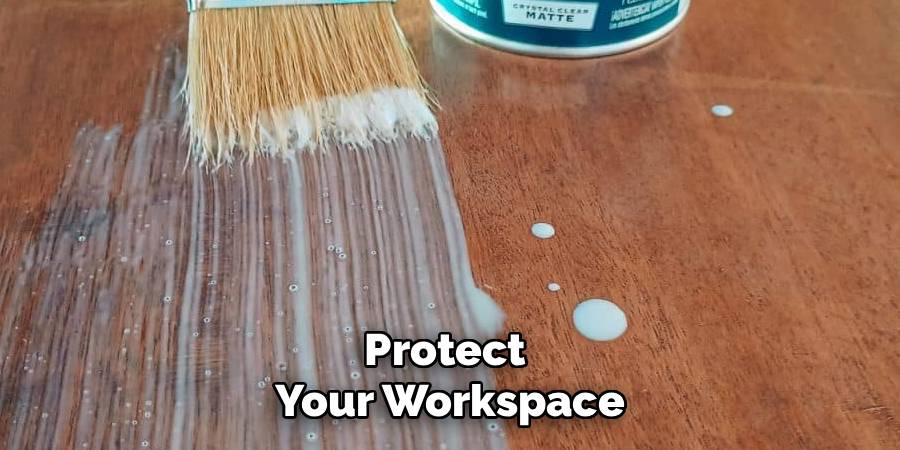
Before you spray or brush any liquid, protect your workspace and the parts of the item you want to keep paint-free. Lay down a large drop cloth or spread old newspapers across your table or floor. If your plastic item has glass inserts, metal handles, or any sections you want to leave unpainted, cover them tightly with painter’s tape. Press the edges of the tape down firmly to prevent wet paint from bleeding underneath. Spending an extra ten minutes on careful taping saves you an hour of frustrating cleanup later.
Step 4: Apply the Bonding Primer
Standard paint peels right off plastic, which is why a specialized bonding primer is essential. Shake your spray primer can vigorously for at least one minute. Hold the can about eight to ten inches away from the plastic surface. Spray the primer using smooth, sweeping motions. Start moving your hand before you press the nozzle, and release the nozzle after you sweep past the edge of the item. This technique prevents paint splatters and drips. Apply one thin, even coat over the entire piece. Let it dry according to the manufacturer’s instructions before checking if you need a second coat.
Step 5: Paint the Base Coat
The base coat provides the underlying color of your fake wood. For a realistic look, choose a color that mimics the lightest shade in the type of wood you want to replicate. A warm golden yellow works great for oak, while a light tan works beautifully for maple. Use your synthetic brush or spray paint to apply the base color. Apply it in thin, even layers. Two thin coats look much better and dry much stronger than one thick, gloppy coat. Allow the first layer to dry completely before brushing on the second layer.
Step 6: Prepare the Glaze or Stain
The secret to the wood look lies in the contrast between your light base coat and a darker top layer. You can use a pre-mixed dark brown gel stain, or you can mix dark brown acrylic paint with a clear acrylic glazing liquid. Mixing paint with glaze extends the drying time, giving you plenty of time to work the grain pattern before the paint hardens. Stir your mixture thoroughly until the color is consistent. Ensure you mix enough to cover the entire piece so you do not have to stop halfway through to mix more.
Step 7: Apply the Dark Faux Coat
Dip your brush into the dark glaze mixture. Brush a generous layer of the dark glaze directly over your dry, light base coat. Work in sections if you are painting a large piece of furniture. You do not need to make this layer look perfect or perfectly smooth. In fact, slightly uneven application can add to the natural, varied look of wood. Make sure your brush strokes generally follow the direction you want the final wood grain to run. The dark glaze should partially cover the light base, creating a striped, textured appearance.

Step 8: Use the Wood Graining Tool
While the dark glaze is still wet, grab your rubber wood graining tool. Place the top edge of the tool at the top of your plastic piece. Slowly pull the tool down through the wet glaze, moving in a straight line. As you pull, gently rock the tool back and forth on its curved surface. The ridges in the rubber will push the dark glaze aside, revealing the light base coat underneath in beautiful, natural-looking arches and knots. Wipe the tool off with a paper towel after every single pass to keep the pattern clean.
Step 9: Add Details and Blend
Sometimes the graining tool leaves harsh lines that look a bit too artificial. You can soften these lines easily. Take a dry, clean, soft-bristled brush and lightly drag it over the wet wood grain pattern you just created. This technique is called “dry brushing.” It blurs the harsh edges slightly, blending the dark glaze and light base coat for a much softer, more authentic wood texture. If you mess up a section, do not panic. Simply brush more dark glaze over the mistake and drag your graining tool through it again.
Step 10: Seal the Surface
Once your beautiful faux wood grain has dried completely—which might take 24 to 48 hours, depending on your climate—you must protect it. The glaze is relatively fragile and will scratch easily if left bare. Apply a high-quality, water-based polyurethane topcoat. A matte or satin finish looks much more like natural wood than a high-gloss finish. Use a clean brush to apply a thin layer of the clear sealer, brushing lightly in the same direction as your wood grain. Let the first coat dry, lightly sand any bubbles, and apply a final clear coat.

5 Things You Should Avoid
Creating a faux wood finish requires attention to detail. Avoiding a few common mistakes will guarantee your project turns out beautifully.
1. Skipping the Sanding Phase
Many people rush to the fun part and skip sanding. If you apply primer to glossy, unsanded plastic, the finish will scratch off with a fingernail. Taking five minutes to scuff the surface guarantees a permanent bond.
2. Using the Wrong Primer
Standard wall primer or wood primer does not work on plastic. The chemical composition is wrong. You must purchase a primer that specifically says “Bonds to Plastic” on the label. This provides the chemical adhesion necessary for a durable finish.
3. Applying Heavy, Thick Coats
Whether applying primer, base coat, or sealer, heavy coats ruin projects. Thick paint drips, runs, and takes forever to dry. It also hides the subtle textures you want to build. Always apply multiple thin layers instead of one thick layer.
4. Rushing the Drying Times
Patience is vital for painting projects. If you apply your dark glaze before the light base coat is completely dry, the graining tool will scrape all the paint off, right down to the plastic. Read the labels on your products and follow the recommended drying times strictly.
5. Overworking the Grain Pattern
It is easy to become obsessed with making the wood grain look perfect. However, natural wood is imperfect. If you drag the tool through the glaze too many times, the colors will mix into a muddy brown mess. Trust the tool, make your pass, and leave it alone.
Conclusion
How to paint plastic to look like wood is a fantastic, budget-friendly way to upgrade your home decor.
By following these straightforward steps, you can take an inexpensive plastic item and give it the rich, warm appearance of natural timber. Remember that patience is your best friend during this process. Take your time with the prep work, allow your layers to dry fully, and enjoy the creative process of pulling that graining tool through the glaze.
You will be amazed at what you can create with your own two hands. Gather your supplies and start your transformation today!

About
Mike May is a distinguished figure in the world of woodworking and timber design, with a decade of expertise creating innovative and sustainable indoor solutions. His professional focus lies in merging traditional craftsmanship with modern manufacturing techniques, fostering designs that are both practical and environmentally conscious. As the author of Woodimber, Mike delves into the art and science of timber-craft, inspiring artisans and industry professionals alike.
Education
RMIT University (Melbourne, Australia)
-
Associate Degree in Design (Timber): Focus on sustainable design, industry-driven projects, and practical craftsmanship.
-
Gained hands-on experience with traditional and digital manufacturing tools, such as CAD and CNC software.
Nottingham Trent University (United Kingdom)
-
Bachelor’s in Woodworking and Product Design (Honors): Specialized in product design with a focus on blending creativity with production techniques.
-
Participated in industry projects, working with companies like John Lewis and Vitsoe to gain real-world insights.
Publications and Impact
In Woodimber, May shares his insights on timber design processes, materials, and strategies for efficient production. His writing bridges the gap between artisan knowledge and modern industry needs, making it a must-read for both budding designers and seasoned professionals.