
The aesthetic appeal of a hardwood floor is undeniable. Its clean lines and deep luster can elevate a room, reflecting light and creating a sense of spaciousness and warmth. Yet, this same surface, so prized for its smooth, reflective quality, can present a significant domestic hazard. A particularly glossy finish, combined with a pair of socks or a fast-moving pet, can transform a beautiful living space into a high-risk area for slips and falls.
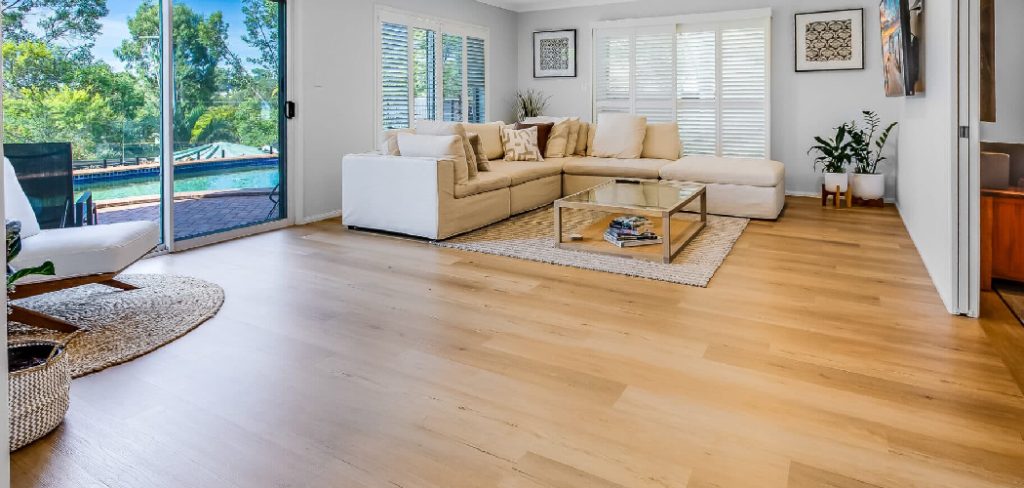
This issue is not a mere inconvenience; it is a genuine safety concern, particularly in households with young children or older adults. The friction coefficient of a surface can change dramatically based on cleaning residues, ambient humidity, and the type of footwear worn. Understanding how to make hardwood floors not slippery is therefore not an aesthetic choice, but a functional necessity. This guide will explore the various factors contributing to a floor’s lack of traction and provide detailed, actionable strategies to improve grip without compromising the wood’s inherent beauty.
Analyzing the Cause of Slippery Hardwood Floors
Before applying any product or making any drastic changes, it is essential to diagnose why your floor has become slick. The cause is not always intuitive. Sometimes, the slipperiness is a direct result of the original finish applied to the wood. At other times, it is an unintended consequence of a well-meaning but misguided cleaning regimen. Identifying the root cause is the first step toward an effective solution.
The Role of the Polyurethane Finish
Most modern hardwood floors are sealed with multiple coats of polyurethane, a liquid plastic that cures into a hard, durable, protective layer. The specific formulation of this polyurethane largely determines the floor’s natural friction. High-gloss finishes, by their very nature, are smoother at a microscopic level than their satin or matte counterparts. This smoothness reduces the available surface area for shoe soles to grip, resulting in less traction. If your floors were recently refinished with a high-gloss product, the slipperiness may be an inherent characteristic of that finish.
Residue from Cleaning Products
More often than not, a floor that was once perfectly fine becomes slippery over time due to the gradual accumulation of chemical residue. Many popular floor cleaners, waxes, and polishes available in grocery stores promise a quick shine. However, these products often contain oils, acrylics, or waxes that do not fully cure. Instead, they leave behind a microscopic, greasy film.
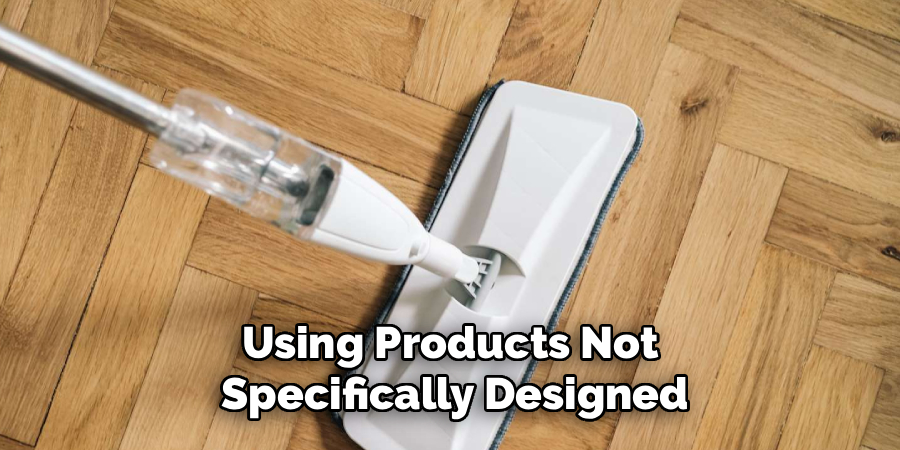
With each subsequent cleaning, this film builds upon itself, creating a slick, almost imperceptible layer on top of the actual polyurethane. This residue can make even a matte-finish floor feel dangerously slick. Using products not specifically designed for your floor’s finish type is a common culprit.
How to Make Hardwood Floors Not Slippery: Proactive Solutions
Once you have a working theory about why your floor is slippery, you can begin to implement solutions. The approach should be methodical, starting with the least invasive and most reversible options first. Often, a simple change in cleaning habits is all that is required to restore a safe level of traction.
The Deep Cleaning and Stripping Process
If you suspect that cleaning residue is the problem, the first order of business is to strip that film away completely. This does not mean stripping the polyurethane finish itself, but rather removing the layer of accumulated product sitting on top of it. You can start by mixing a solution of one part white vinegar to about ten parts warm water. The mild acidity of the vinegar is effective at cutting through many types of wax and oil buildup.
Using a flat-head microfiber mop, work in small, manageable sections. Dampen the mop pad in the vinegar solution and wring it out until it is almost dry. An overly wet mop can damage the wood. Mop a small area and immediately follow up with a clean, dry microfiber cloth to absorb all moisture and lift the dissolved residue. You may see a hazy film transfer to your dry cloth, confirming that you are successfully removing the buildup. This process can be labor-intensive and may require several passes to be effective.
Changing Your Routine Cleaning Habits
After successfully stripping the floor back to its original finish, you must adopt a new cleaning routine to prevent the problem from recurring. Discard any all-in-one “mop and shine” products or oil soaps. Instead, purchase a pH-neutral cleaner specifically formulated for hardwood floors. For routine maintenance, frequent dry dusting with a microfiber mop is far more important than wet mopping. This removes the fine grit and dust that people try to combat with heavy cleaners. When you do need to wet-clean, use only the recommended cleaner and a barely damp mop.
Physical and Chemical Anti-Slip Treatments
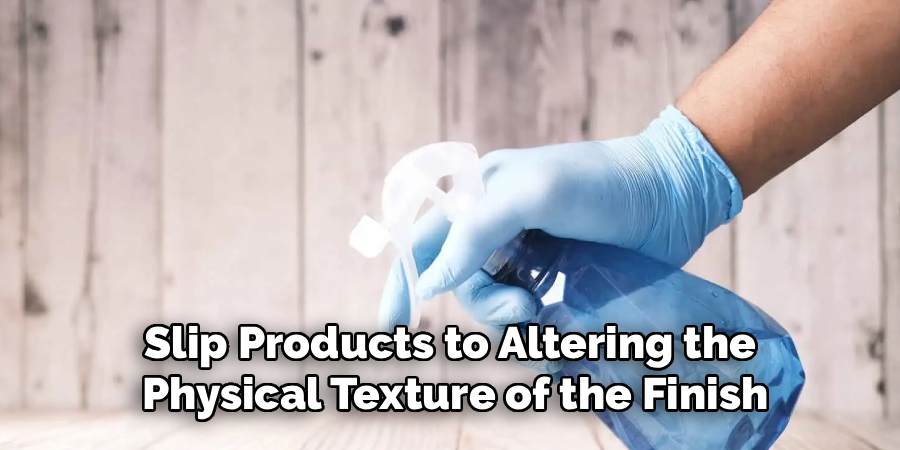
If a thorough cleaning does not solve the problem, it suggests that the slipperiness is inherent to the floor’s polyurethane topcoat. In this case, you must modify the surface itself. There are several ways to do this, ranging from applying commercial anti-slip products to altering the physical texture of the finish.
Applying an Anti-Slip Floor Finish
For a more permanent solution, you can apply a specialized anti-slip product directly to your floor. These are typically clear, water-based formulas that you mop on just like a polish. They contain microscopic texturizing agents that, once cured, increase the surface friction of the floor without significantly altering its appearance.
It is absolutely critical to test these products in a small, inconspicuous area first, such as inside a closet. You need to ensure the product adheres correctly to your existing finish and provides the desired level of grip without creating a cloudy or hazy appearance. This application is a serious commitment, as a poorly applied coat can be very difficult to remove.
Using Liquid Floor Etching Products
A more aggressive approach involves using a chemical etching treatment. These products contain mild acids that microscopically abrade the surface of the polyurethane, creating a slightly rougher texture that improves grip. This method permanently alters the sheen of your floor, typically reducing a high-gloss finish to a more satin or matte appearance.
Because this process is irreversible, it should be considered a last resort and performed with extreme caution, following the manufacturer’s safety protocols precisely. Etching is not suitable for all floor types, particularly those with older, more delicate varnish or shellac finishes.
Strategic Use of Rugs and Runners
Perhaps the most effective and least invasive way to address slippery floors is to strategically reduce the amount of exposed hardwood in high-traffic areas. Area rugs, runners, and mats provide immediate, reliable traction exactly where it is needed most.
High-Traffic Areas and Transition Points
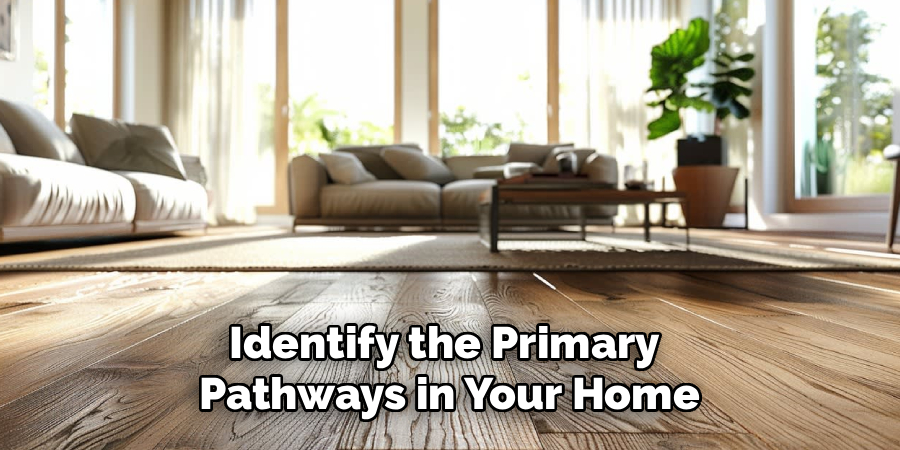
Identify the primary pathways in your home. These include hallways, main entryways, and the paths between frequently used pieces of furniture. Placing a long runner down a hallway not only adds a decorative element but also provides a safe, non-slip corridor. Area rugs in living rooms can anchor a furniture grouping while offering a soft, secure surface underfoot. Special attention should be paid to transition points, such as the bottom of a staircase or the entrance from a tiled kitchen, where people are often changing speed or direction.
The Importance of a High-Quality Rug Pad
Simply placing a rug on a hardwood floor is not enough; in fact, it can create a new and even more dangerous hazard. An unsecured rug will slide easily on a slick floor, functioning like a magic carpet that can shoot out from under you. Every single rug or mat placed on a hardwood floor must be anchored with a high-quality rug pad. Look for pads made from a combination of natural rubber and felt. The rubber side grips the floor, while the felt side grips the rug, creating a secure, immovable system. Avoid cheap, plastic-based pads, as these can sometimes react with polyurethane finishes and cause discoloration over time.
Footwear and Household Policies
The interaction between the floor and what touches it is a two-way street. Managing what is worn on people’s feet inside the house can be just as effective as treating the floor itself. Implementing a simple household policy can dramatically reduce the risk of slips.
The “No Socks” Rule
While it may seem counterintuitive, walking on a hardwood floor in socks is often more dangerous than walking barefoot. The woven fibers of a sock glide easily over a smooth surface. Bare feet, on the other hand, have natural oils and a textured surface that provide a surprising amount of grip. Encouraging family members to go barefoot or wear slippers inside can make a significant difference.
The Benefit of Indoor Slippers
For those who prefer not to go barefoot, dedicated indoor slippers with soft, pliable rubber or suede soles are an excellent option. These materials are designed to provide traction on smooth surfaces. Making it a household habit to switch from outdoor shoes to indoor slippers at the entryway not only improves floor safety but also helps keep the floors cleaner by preventing outdoor dirt and grit from being tracked throughout the house.
When to Consider Professional Refinishing
There are times when DIY solutions are insufficient. If your floor’s finish is extremely old, damaged, or exceptionally slick due to a professional-grade product, you may need to consider having the floors professionally screened and recoated.
Screening and Recoating
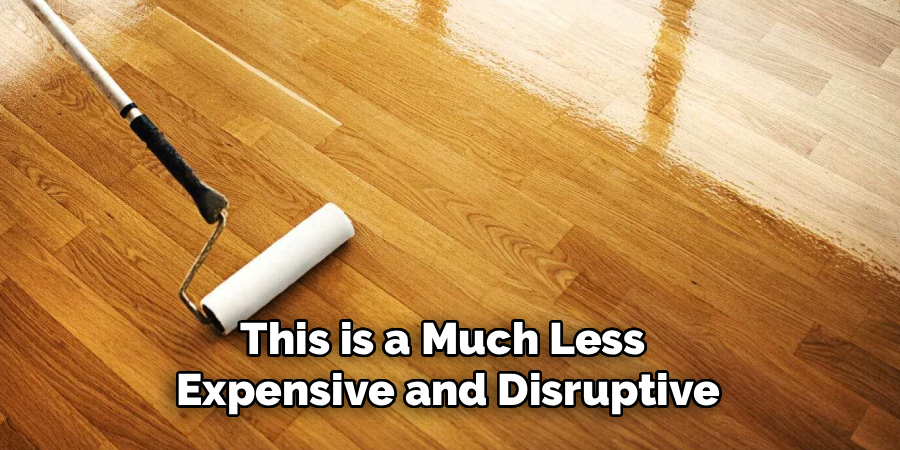
A full refinishing, which involves sanding the floor down to bare wood, is not always necessary. If the wood itself is in good condition, a flooring professional can perform a “screen and recoat.” This process involves using a machine with a fine abrasive screen to lightly scuff up the existing topcoat of polyurethane. This removes minor scratches and creates a textured profile for a new coat to adhere to. At this stage, you can request that the professional apply a new topcoat in a satin or matte finish, which will inherently have more grip than your previous high-gloss finish. This is a much less expensive and disruptive process than a full sanding and refinishing.
Conclusion
A gleaming hardwood floor is a beautiful asset, but its beauty should never come at the expense of safety. The slickness of a floor is a solvable problem, one that often begins with a critical analysis of cleaning habits and products. By systematically removing slick residues, strategically placing well-anchored rugs in key areas, and considering the application of modern anti-slip treatments, you can dramatically improve traction.
The most effective approach often involves a combination of these tactics. Learning how to make hardwood floors not slippery is about reclaiming your home as a space of comfort and security. It empowers you to enjoy the aesthetic elegance of wood without the persistent, underlying anxiety of a potential fall, ensuring your home remains a safe and beautiful environment for everyone within it.

About
Mike May is a distinguished figure in the world of woodworking and timber design, with a decade of expertise creating innovative and sustainable indoor solutions. His professional focus lies in merging traditional craftsmanship with modern manufacturing techniques, fostering designs that are both practical and environmentally conscious. As the author of Woodimber, Mike delves into the art and science of timber-craft, inspiring artisans and industry professionals alike.
Education
RMIT University (Melbourne, Australia)
-
Associate Degree in Design (Timber): Focus on sustainable design, industry-driven projects, and practical craftsmanship.
-
Gained hands-on experience with traditional and digital manufacturing tools, such as CAD and CNC software.
Nottingham Trent University (United Kingdom)
-
Bachelor’s in Woodworking and Product Design (Honors): Specialized in product design with a focus on blending creativity with production techniques.
-
Participated in industry projects, working with companies like John Lewis and Vitsoe to gain real-world insights.
Publications and Impact
In Woodimber, May shares his insights on timber design processes, materials, and strategies for efficient production. His writing bridges the gap between artisan knowledge and modern industry needs, making it a must-read for both budding designers and seasoned professionals.