

Shopping for furniture can feel overwhelming, especially when you’re trying to determine whether that beautiful dresser is solid wood or veneer. The difference isn’t just about quality—it affects durability, value, and how well your furniture will age over time. Many shoppers assume that expensive price tags guarantee solid wood construction, but that’s not always the case.
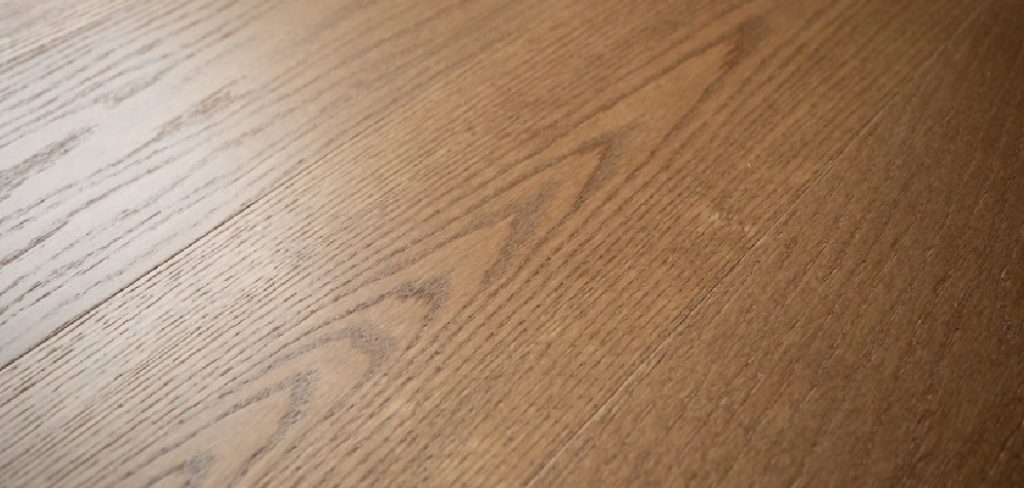
Understanding the distinction between solid wood and veneer is essential for making informed purchasing decisions. Whether you’re browsing antique shops, furniture stores, or online marketplaces, knowing how to identify these materials will help you avoid costly mistakes and invest in pieces that truly meet your needs. This guide on How to Tell Solid Wood From Veneer will walk you through practical, easy-to-follow methods for distinguishing solid wood from veneer, so you can shop with confidence.
Understanding Solid Wood vs Veneer
Solid wood furniture is crafted entirely from natural lumber, cut directly from trees. Each piece showcases the wood’s natural grain patterns, knots, and color variations throughout its entire thickness. This construction method has been used for centuries and remains highly valued for its durability and timeless appeal.
Veneer, on the other hand, consists of a thin layer of real wood (typically 1/8 inch or less) glued onto a substrate of plywood, particleboard, or MDF (medium-density fiberboard). Modern manufacturing techniques have made veneer increasingly sophisticated, allowing manufacturers to create beautiful furniture at lower costs. High-quality veneer can look remarkably similar to solid wood at first glance, which is why knowing how to differentiate them matters.
Neither option is inherently superior—both have their place in furniture making. Solid wood offers unmatched authenticity and can be refinished multiple times, while veneer provides stability against warping and allows for more intricate designs. Your choice should depend on your budget, intended use, and aesthetic preferences.
Tools and Materials You’ll Need
Before diving into the process of differentiating and working with veneer and solid wood, here are some essential tools and materials you’ll need to have on hand:
- Veneer or solid wood sheets (depending on your project)
- Sandpaper or sanding block
- Wood glue
- Clamps
- Veneer saw or utility knife
- Tape measure and ruler
- Pencil or marker
- Hammer or mallet
7 Simple Step-By-Step Guidelines on How to Tell Solid Wood From Veneer
Step 1: Examine the Grain Pattern
Start by closely observing the wood grain on all visible surfaces of the furniture piece. Solid wood displays continuous grain patterns that flow naturally across the surface, wrapping around edges and corners in an uninterrupted manner. These patterns are never perfectly symmetrical because they reflect the tree’s natural growth.
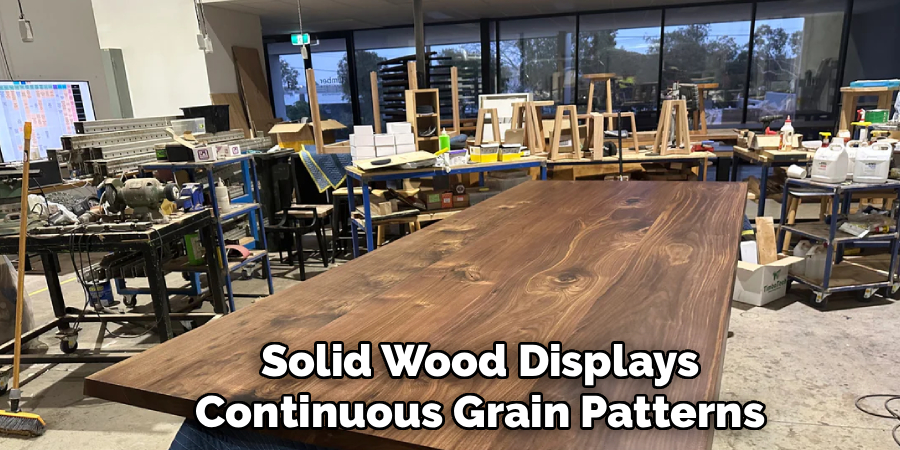
Look at the top, sides, and any exposed edges. In solid wood, the grain should appear on all surfaces, including the ends. The pattern might change direction or intensity, but it should always look organic and random. Veneer, however, often shows suspiciously perfect grain matching or repetitive patterns, especially on large flat surfaces. Manufacturers sometimes use book-matching techniques with veneer, creating mirror-image patterns that look too uniform to be natural. If you notice the exact same swirl or knot appearing multiple times, you’re likely looking at veneer.
Step 2: Inspect the Edges and Corners
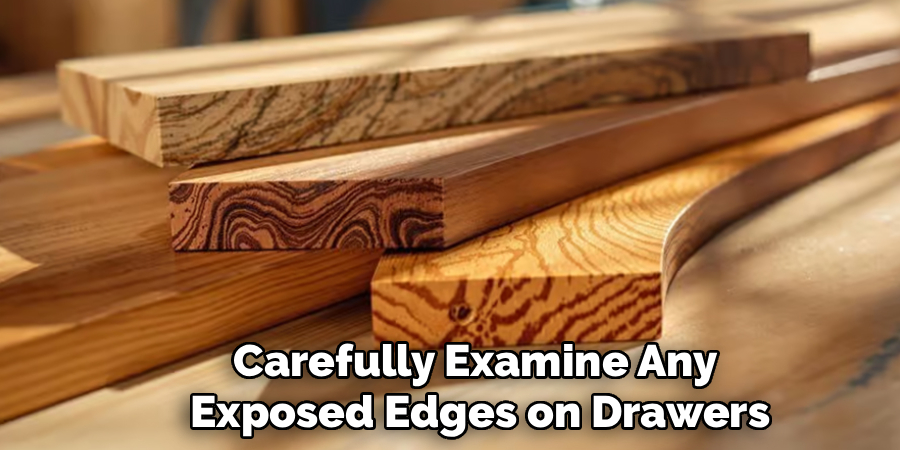
The edges of furniture pieces provide crucial clues about their construction. Carefully examine any exposed edges on drawers, shelves, table tops, or door panels. Solid wood will show the same grain and color running through the entire thickness of the material, from the top surface all the way through to the bottom.
With veneer, you’ll typically see a thin layer of attractive wood grain on top, with a different material visible along the edge. This substrate might be lighter colored plywood, particleboard, or MDF. Sometimes manufacturers apply edge banding—a thin strip of matching veneer—to conceal this difference, but you can often spot a seam where the edge banding meets the surface veneer. Run your finger gently along corners and edges. Solid wood corners feel smooth and continuous, while veneer corners sometimes have a slight ridge where different pieces meet. Pay special attention to places where wear might have exposed the underlying material.
Step 3: Check the Weight and Feel
Solid wood furniture typically weighs more than comparable veneer pieces because it uses genuine lumber throughout. Try lifting or gently pushing the furniture—solid wood has a substantial, dense feel that’s noticeably different from particleboard-based veneer. This difference becomes especially apparent in larger pieces like dressers or tables.
The surface texture also provides important information. Run your hand across the top and sides of the furniture. Solid wood has subtle natural variations in texture and temperature, feeling slightly cooler to the touch initially. The surface might have minor irregularities that reflect the wood’s organic nature. Veneer surfaces, particularly those over MDF or particleboard, often feel more uniformly smooth and may seem slightly warmer. They lack the subtle texture variations that make solid wood distinctive. However, remember that both materials can be heavily finished with lacquer or polyurethane, which affects how they feel, so use this test in combination with others.
Step 4: Look at the Underside and Back
Flip the piece over or examine areas that aren’t meant to be seen, such as the underside of tables, the backs of dressers, or the bottoms of drawers. Manufacturers typically invest less in finishing these hidden areas, making them perfect for revealing the truth about construction methods.
With solid wood furniture, even these hidden surfaces will be real wood, though possibly of lower grade than what’s used on visible surfaces. You’ll see natural grain patterns, knots, and color variations. The wood might be rougher or less finished, but it’s still authentic lumber. Veneer furniture often uses completely different materials on hidden surfaces. You might find rough particleboard, thin plywood, or even cardboard-like materials on the back or underside. This cost-saving approach is standard practice and doesn’t necessarily indicate poor quality, but it definitely identifies the piece as veneer construction. Check inside drawers as well—solid wood drawers will show grain on all interior surfaces, while veneer drawers often have plain substrates inside.
Step 5: Test With the Knock Method
Gently tap on different areas of the furniture with your knuckles, listening carefully to the sound produced. This simple acoustic test can reveal surprising amounts of information about what’s beneath the surface. Solid wood produces a deep, resonant tone when knocked. The sound has depth and richness, almost musical in quality.

Veneer over particleboard or MDF creates a duller, flatter sound—more of a thud than a tone. The difference becomes clearer when you tap on various parts of the same piece. Try knocking on the top, sides, doors, and any drawers. Solid wood will produce relatively consistent tones across all surfaces, while veneer might sound different depending on what substrate lies beneath. Areas with hollow spaces, like cabinet doors, will sound obviously hollow. This test works best when combined with visual inspection, as heavily finished solid wood might sound somewhat muted, and high-quality veneer over solid plywood can produce a fairly resonant tone.
Step 6: Examine Joints and Construction
Study how the furniture is assembled, paying particular attention to joints where different pieces connect. Traditional solid wood furniture often uses time-tested joinery methods like dovetails, mortise-and-tenon joints, or tongue-and-groove connections. These techniques showcase the woodworker’s skill and the material’s strength.
Pull out drawers and look at how the sides connect to the front and back. Dovetail joints—those interlocking finger-like connections—are a strong indicator of quality, solid wood construction, though they can occasionally appear in high-end veneer pieces too. Check where table legs meet aprons or where chair rails connect. Solid wood furniture can use exposed joinery as a design feature because the grain runs through all components. Veneer furniture more commonly relies on screws, staples, or cam-lock fasteners hidden beneath the surface. While modern adhesives and fasteners can be quite strong, visible traditional joinery suggests solid wood construction and superior craftsmanship.
Step 7: Look for Seams and Repetitive Patterns
Examine large flat surfaces like table tops, dresser sides, or cabinet doors for any visible seams or suspicious pattern repetition. Solid wood pieces, especially wider boards, are often made from multiple planks glued edge-to-edge. You should see subtle seams where these boards join, with grain patterns that look different on each board but flow naturally together.
Veneer manufacturers can create large surfaces from single sheets, so the absence of seams might actually indicate veneer rather than solid wood. Additionally, look for unnaturally perfect grain matching or patterns that repeat exactly. Since veneer sheets are sliced from logs in sequence, adjacent sheets can be arranged to create mirror-image patterns. While this book-matching technique produces stunning visual effects, it creates symmetry that never occurs in solid wood construction. If you see two halves of a surface with perfectly mirrored grain, you’re looking at veneer. Similarly, if you notice the same distinctive knot or grain feature appearing multiple times across different parts of the furniture, it’s likely that veneer sheets from the same log were used throughout the piece.

Following these steps on how to tell solid wood from veneer can help you make more informed decisions when purchasing furniture and ensure that you are getting a quality, long-lasting piece. Remember to check for signs of veneer such as grain consistency and symmetry, as well as examining the edges and corners for any visible layers. Additionally, keep in mind that while solid wood is generally more expensive than veneer, it also tends to be more durable and can withstand wear and tear over time.
Common Mistakes to Avoid
Don’t assume that beautiful wood grain automatically means solid wood construction. Modern veneer can be exceptionally attractive, sometimes even more visually consistent than solid wood. Price alone isn’t a reliable indicator either—some veneer furniture commands premium prices due to designer names or intricate craftsmanship, while some solid wood pieces from overseas manufacturers can be surprisingly affordable.
Avoid the mistake of thinking all veneer is inferior quality; high-end veneer over solid plywood can outlast poorly made solid wood furniture. Finally, don’t forget to check multiple areas of a piece, as manufacturers sometimes combine both materials, using solid wood for structural elements and veneer for decorative surfaces.
Frequently Asked Questions
Q: Can Veneer Furniture Be Refinished Like Solid Wood?
A: Veneer can be refinished, but with significant limitations compared to solid wood. The thin veneer layer (usually 1/32 to 1/8 inch thick) can only be sanded lightly once or twice before you risk sanding through to the substrate beneath. This means you have far fewer opportunities to refresh the finish over the furniture’s lifetime. Solid wood, being thick throughout, can be sanded down and refinished many times—even deeply damaged pieces can be restored. If you’re purchasing furniture as a long-term investment that you might want to refinish in the future, solid wood offers much more flexibility and longevity.
Q: Is It Possible for Furniture to Combine Both Solid Wood and Veneer?
A: Absolutely, and this is actually quite common in furniture manufacturing. Many quality pieces use solid wood for structural components like legs, frames, and rails where strength matters most, while employing veneer on large flat surfaces like tops, sides, and drawer fronts. This hybrid approach offers a practical compromise between cost and quality. The solid wood provides durability and strength in high-stress areas, while veneer allows for stable, warp-resistant panels at lower costs. When examining furniture, don’t be surprised to find both materials in the same piece—this doesn’t necessarily indicate poor quality, but rather thoughtful construction that uses each material where it performs best.
Conclusion
Distinguishing solid wood from veneer doesn’t require expert training—just careful observation and the techniques outlined in this guide. By examining grain patterns, checking edges, testing weight and sound, and inspecting hidden areas, you can confidently identify how furniture is constructed before making a purchase. Remember that neither solid wood nor veneer is inherently better; each has appropriate applications depending on your needs, budget, and preferences.
Now that you’re equipped with these identification skills, take them with you on your next furniture shopping trip. Whether you’re hunting for antiques, browsing modern showrooms, or evaluating online listings, you’ll make more informed decisions and find pieces that truly meet your expectations. Start practicing these techniques on furniture you already own—you might be surprised by what you discover about pieces you’ve lived with for years. Thanks for reading this guide on how to tell solid wood from veneer.

About
Mike May is a distinguished figure in the world of woodworking and timber design, with a decade of expertise creating innovative and sustainable indoor solutions. His professional focus lies in merging traditional craftsmanship with modern manufacturing techniques, fostering designs that are both practical and environmentally conscious. As the author of Woodimber, Mike delves into the art and science of timber-craft, inspiring artisans and industry professionals alike.
Education
RMIT University (Melbourne, Australia)
-
Associate Degree in Design (Timber): Focus on sustainable design, industry-driven projects, and practical craftsmanship.
-
Gained hands-on experience with traditional and digital manufacturing tools, such as CAD and CNC software.
Nottingham Trent University (United Kingdom)
-
Bachelor’s in Woodworking and Product Design (Honors): Specialized in product design with a focus on blending creativity with production techniques.
-
Participated in industry projects, working with companies like John Lewis and Vitsoe to gain real-world insights.
Publications and Impact
In Woodimber, May shares his insights on timber design processes, materials, and strategies for efficient production. His writing bridges the gap between artisan knowledge and modern industry needs, making it a must-read for both budding designers and seasoned professionals.